Single-Pilot Resource Management (SRM) is an important concept in aviation that focuses on how a single pilot can effectively manage all available resources, both inside and outside the aircraft, during a flight. It’s closely linked to aeronautical decision-making (ADM), which refers to the process pilots use to make informed decisions based on various circumstances. These concepts are crucial for enhancing safety in general aviation (GA).
Many aviation experts refer to SRM as single-pilot Crew Resource Management (CRM). This is due to its historical ties to CRM practices used by airline crews. Organizations like the General Aviation Joint Steering Committee (GAJSC) and the Federal Aviation Administration (FAA) in the U.S. have introduced initiatives to improve safety in GA, particularly addressing issues like loss of control in flight.
The FAA defines Single-Pilot Resource Management as the art and science of managing all resources available to a single pilot before and during flight. This includes both onboard resources and external support. Similarly, ADM is described as a systematic approach to help pilots determine the best actions in various situations.
General aviation encompasses all civil aviation operations apart from scheduled air services. Loss of control in flight refers to incidents where pilots cannot maintain control, leading to serious accidents.
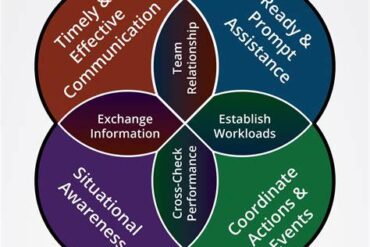
According to the FAA’s Pilot’s Handbook of Aeronautical Knowledge, the focus on SRM is becoming more prominent in pilot training, benefiting overall aviation safety. While CRM is geared towards multi-pilot environments, many principles apply to single-pilot scenarios. For instance, SRM incorporates concepts such as ADM, risk management, and situational awareness, which helps pilots make better decisions and manage risks effectively. By using resources like autopilot and air traffic control, SRM mirrors CRM principles.
Several areas in general aviation have adopted SRM, including:
-
Pilot training for single-pilot operations during maneuvers.
-
Business aviation involving single-pilot aircraft.
-
Recreational flying, such as hot air ballooning and glider flying.
-
Agricultural aerial applications, like crop spraying.
-
Deliveries of time-sensitive materials, such as medical supplies.
-
Civil search and rescue missions.
-
Aerial surveillance for law enforcement.
-
Monitoring environmental changes and conducting aerial surveys.
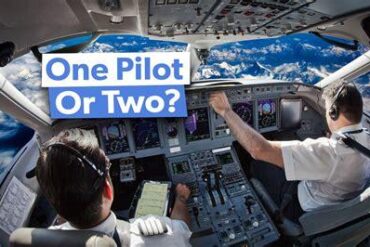
As SRM and ADM training evolve, there have been discussions about the future of airline operations. Some proposals suggest reducing crew requirements for commercial flights, but these have faced opposition from pilot organizations. A report from the Air Line Pilots Association highlighted that the risks associated with single-pilot operations in commercial aviation outweigh potential benefits. Key concerns include increased workload and the absence of a second pilot for emergency situations.
In conclusion, SRM and ADM are vital for enhancing safety in single-pilot operations across various aviation sectors. As training and initiatives develop, they aim to reduce risks and improve outcomes for pilots and passengers alike.