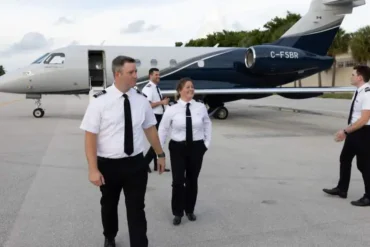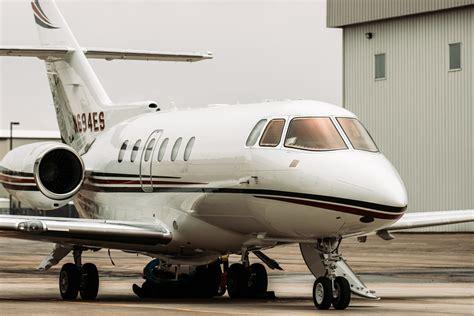
Single-pilot jets represent one of the most compelling shifts in modern aviation, enabling high-performance travel with minimal crew demands. Fueled by advancements in avionics, aerodynamics, and lightweight materials, these aircraft have carved out a space between piston-powered aircraft and larger business jets. For entrepreneurs, medical transport services, air taxi operators, and seasoned private pilots, single-pilot jets offer autonomy, efficiency, and sophistication.
Today’s leading models, such as the Cessna Citation Mustang, Cirrus Vision Jet G2+, Eclipse Jet 550, Embraer Phenom 300E, and the HondaJet, redefine what it means to fly solo. These aircraft are built to be flown by a single pilot without compromising safety, luxury, or performance, thanks to cutting-edge systems like Garmin G3000 avionics and autothrottle functionalities.
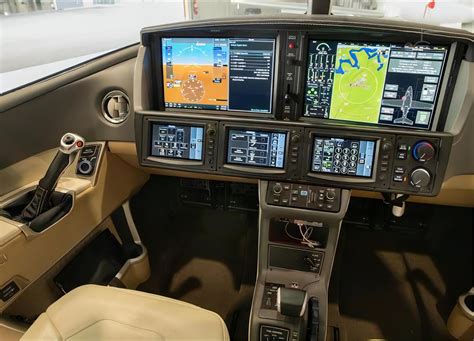
Cessna Citation Mustang: Accessible Luxury in Motion
The Cessna Citation Mustang remains a stalwart in the entry-level jet market. Designed for intuitive single-pilot operation, the Mustang integrates Pratt & Whitney PW615F engines, delivering 1,460 pounds of thrust per side and a top speed of 340 knots. The aircraft has a range of 963 nautical miles, perfectly suited for intra-regional hops.
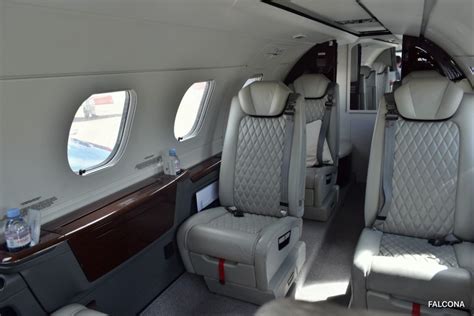
Internally, the cabin presents four club-style seats wrapped in leather, foldable work tables, and temperature-controlled comfort. Its flight deck is built around the Garmin G1000 suite, offering straightforward workflows and redundancy. FAA mandates a type rating, but the training path is streamlined, with recurrent simulator training typically required every 12 months.
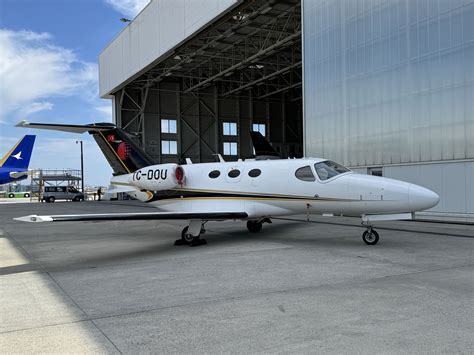
Cirrus Vision Jet G2+: The World’s Most Elegant Single-Engine Jet
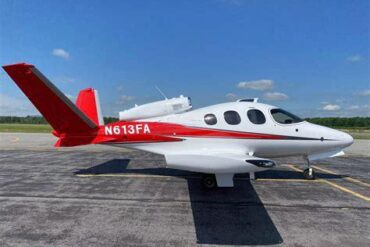
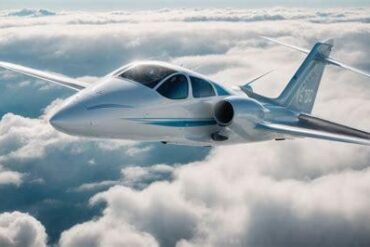
Cirrus Aircraft’s Vision Jet G2+ breaks convention by offering a single-engine turbofan design, specifically the Williams FJ33-5A, generating 1,846 pounds of thrust. It’s capable of reaching 311 knots with a maximum range nearing 950 nm, making it ideal for private owners and charter operators looking for minimal operating costs with premium features.
Inside, the aircraft delivers innovation with a carbon fiber fuselage and panoramic windows. The Cirrus Perspective Touch+™ by Garmin provides envelope protection, synthetic vision, autothrottle, and safe return emergency autoland system. While a type rating isn’t universally required, structured transition training is essential for all operators.
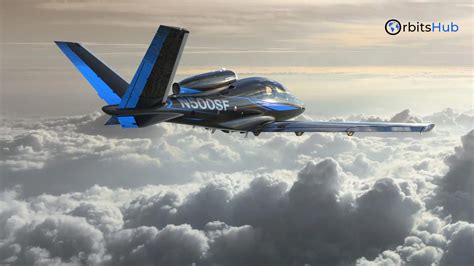
Eclipse Jet 550: Compact Efficiency Without Compromise
The Eclipse Jet 550 offers an ultra-light, twin-engine experience at a fraction of the cost. With two Pratt & Whitney PW610F engines (900 lbf each), this aircraft achieves a cruise speed of 369 knots, covering 825 nautical miles per trip. It is often favored by budget-conscious operators or small business owners seeking to avoid fractional jet ownership.
The cockpit comes equipped with Avio Integrated Flight Management Systems, and while a type rating may not be required in every jurisdiction, the aircraft’s high-speed capabilities demand comprehensive proficiency. Its cabin, though modest, accommodates five passengers comfortably and offers noise-canceling insulation for a smoother experience.
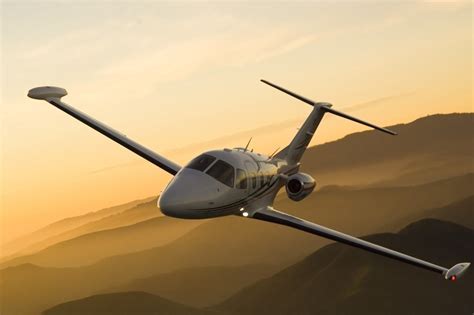
Embraer Phenom 300E: Where Speed Meets Executive Comfort
Embraer’s Phenom 300E is the fastest single-pilot certified jet in the world, reaching 453 knots with a commanding range of 1,971 nautical miles. Powered by Pratt & Whitney Canada PW535E engines and certified for Flight Level 450, it appeals to corporate flyers who require swift cross-country trips with minimal stops.
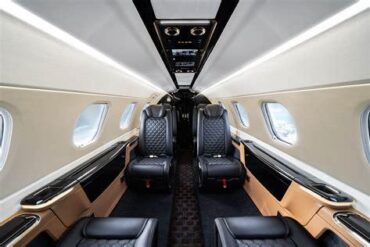
Luxury is a central theme: the Oval Lite® cabin offers ergonomic seating for up to nine passengers, advanced noise insulation, and a fully enclosed lavatory. The avionics are powered by Prodigy Touch™ based on Garmin G3000, with envelope protection, synthetic vision, and auto-throttle. A type rating is mandatory, reflecting the complexity and capability of the jet.
HondaJet: Aerodynamic Innovation Redefined
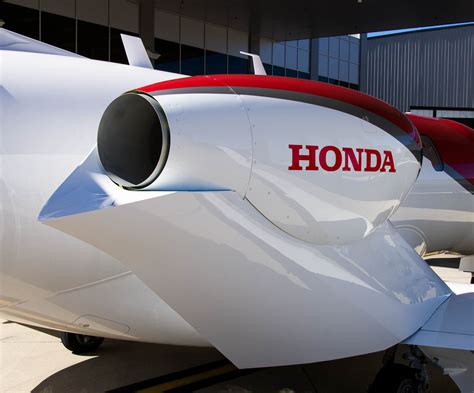
The HondaJet is a striking achievement in aviation engineering, boasting an over-the-wing engine mount (OTWEM) design. This layout minimizes drag and maximizes cabin space. Its two GE Honda HF120 engines produce 2,050 lbf each, with a top cruise of 422 knots and a range of 1,223 nautical miles.
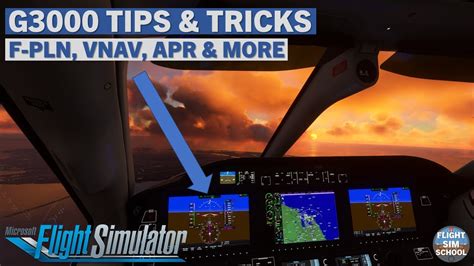
Inside, the cabin layout is customizable, typically supporting six passengers in a quiet, pressure-balanced environment. The cockpit features the Garmin G3000 avionics suite, granting single-pilot operability with state-of-the-art safety features. While a type rating isn’t universally required, most insurance policies mandate it given the jet’s performance envelope.
Type Rating and Training Requirements
Understanding type ratings is essential for aspiring single-jet pilots. In the United States, the FAA Part 61.31 governs the need for specific type ratings. Generally, jets over 12,500 pounds MTOW or with turbojet engines require one. However, the specifics can vary:
- Cessna Mustang and Phenom 300E: Require a type rating.
- Cirrus Vision Jet G2+ and Eclipse 550: May not always require one, but structured transition courses are essential.
- HondaJet: Usually requires manufacturer-approved training, even if a type rating isn’t enforced by regulators.
Pilot Certification Path
Becoming a competent single-jet pilot requires more than a private license. Below is a typical path for qualification:
- Private Pilot License (PPL) – foundational flying rights
- Instrument Rating – critical for high-speed and high-altitude jet ops
- Multi-Engine Rating – essential for twin-engine jets
- Commercial License (optional but often required by insurers)
- Type Rating or Factory Training Program – final gateway to command
In addition to certifications, insurers often request 100+ hours in similar aircraft types, simulator sessions, and regular recurrency checks. Safety, proficiency, and risk minimization are central themes.
Who Are Single-Pilot Jets For?
Single-pilot jets are revolutionizing business and personal aviation for:
- Entrepreneurs who require flexibility and rapid point-to-point travel
- Medical professionals and organ transport operators
- Air taxi companies and regional charter services
- Corporate executives seeking privacy without full crew overhead
What makes them particularly appealing is their cost-to-performance ratio. The Cirrus Vision Jet, for instance, costs just $670 per flight hour, while even the more powerful HondaJet sits around $1,135/hour — well below the $3,000+ rates of mid-size business jets.

Future Outlook: Autonomy and Simplicity
With each generation, single-pilot jets are becoming smarter, safer, and easier to fly. Autoland systems, real-time health monitoring, envelope protection, and predictive maintenance software are increasingly standard. Manufacturers are focusing on user experience as much as performance.
As aviation regulators continue embracing new tech and autonomous support tools, we may soon see widespread single-pilot air taxi fleets, supporting everything from rural business access to scheduled short-haul services.
Frequently Asked Questions
Do you need a type rating to fly a single-pilot jet?
It depends on the aircraft and the jurisdiction. In the U.S., jets over 12,500 lbs or turbojet-powered typically require a type rating. For smaller jets like the Vision Jet, structured training is still mandatory even without a formal rating.
How much experience do you need to fly a single-pilot jet?
Most insurance companies require at least 500 hours total time, with 100+ hours in similar aircraft. Instrument and multi-engine ratings are usually necessary, and many recommend commercial certification.
Which single-pilot jet is best for new jet pilots?
The Cirrus Vision Jet G2+ is widely considered the most forgiving and accessible for new owners due to its single-engine simplicity, built-in safety systems, and advanced avionics.