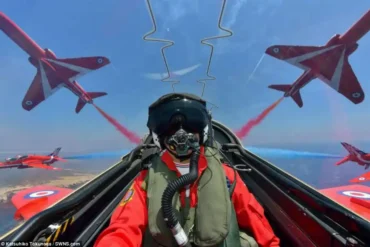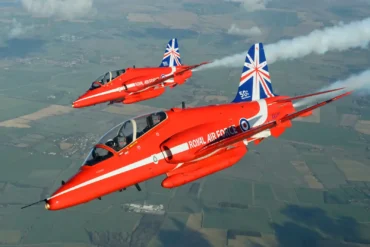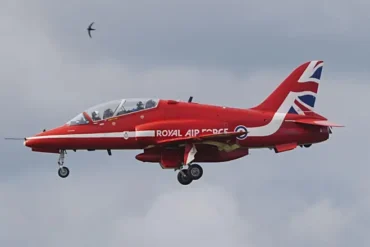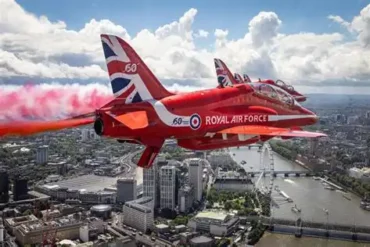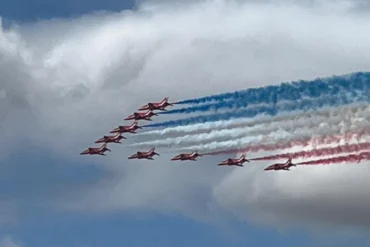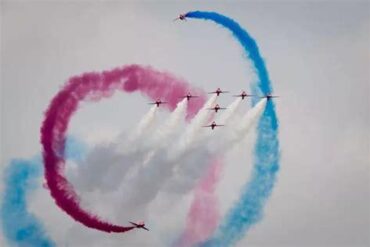
The Red Arrows have long been synonymous with excellence in aerial display, captivating audiences worldwide with their precision, skill, and teamwork. Behind every breathtaking performance lies an exacting selection process that ensures only the most capable and dedicated pilots join the ranks of this elite team. This article delves into the rigorous multi-stage process used to select Red Arrows pilots, revealing the intricate steps that define each candidate’s journey from a qualified fighter pilot to a member of one of the world’s foremost aerobatic teams.
Basic Qualifications for Red Arrows Pilots
The first step in becoming a Red Arrows pilot is meeting the stringent basic qualifications set by the Royal Air Force (RAF). Only active RAF fighter pilots are eligible, and candidates typically must have accumulated a minimum of 1,500 hours of fast jet flight experience. This significant flight time is a testament to a pilot’s dedication and mastery of high-speed, high-performance aircraft operations.
Candidates must also maintain an exemplary flight discipline record. The selection process leverages the RAF’s internal recommendation and screening mechanisms to identify pilots who not only excel in their technical abilities but also embody the professional ethos and integrity expected from members of the Red Arrows. These foundational requirements ensure that every candidate is already operating at a level where excellence is the norm.
Intensive Skills and Psychological Evaluation
After meeting the basic qualifications, candidates face a series of intensive tests designed to push their abilities to the limit. This phase evaluates both flight skills and psychological resilience:
- Complex Formation Flying: Pilots must demonstrate proficiency in intricate formation flying techniques, a hallmark of Red Arrows displays. The tests simulate real-world scenarios where precise coordination is essential.
- Emergency Operations Assessment: In addition to standard flight maneuvers, candidates are evaluated on their ability to handle emergency situations swiftly and decisively. This includes responding to unexpected in-flight challenges with calm and efficiency.
- Psychological Testing: Beyond technical skills, the process scrutinizes a pilot’s stress management, decision-making speed, and team communication. Given the high stakes of formation aerobatics, these attributes are critical. The assessments ensure that candidates can maintain a clear head under pressure and work seamlessly with their team members.
The comprehensive nature of these tests reflects the RAF’s commitment to maintaining the highest standards in pilot selection. Only those who excel under rigorous scrutiny move forward in the process.
Probationary Training and Team Adaptation
Once candidates pass the initial screening, they enter a probationary training period that lasts for one full year. During this phase, pilots undergo further training focused on specialized aerobatic techniques and team dynamics. Key elements of this period include:
- Learning Advanced Formations: One of the focal points of training is mastering formations such as the Diamond Nine. This formation is a staple in Red Arrows displays and requires every pilot to execute maneuvers with unerring precision.
- Team Collaboration: The Red Arrows’ success is built on synergy. Trainees must adapt to an environment where every movement is coordinated, and trust between team members is paramount. This period is crucial for developing the kind of mutual understanding and communication necessary for high-stakes aerial displays.
- Performance Consistency: During probation, pilots are continually assessed on their stability and consistency in performance. Their ability to integrate with the team while maintaining top-level individual skills is closely monitored.
This phase is not merely about individual talent—it’s about cultivating a cohesive unit. Pilots must exhibit the ability to synchronize their actions with their peers, ensuring that every maneuver is executed safely and in harmony with the group. Those who demonstrate this level of team integration secure their place among the elite.
Continuous Performance Review and Iterative Selection
The process of selection does not conclude once a pilot is inducted into the team. The Red Arrows maintain their reputation for excellence through an ongoing process of continuous performance review and iterative selection. Each year, the team’s goals may shift, and the selection criteria are adjusted accordingly. For instance, since 2023, there has been an increased emphasis on formation rebuilding experience, reflecting the evolving demands of modern aerobatic displays.
- Annual Reviews: Pilots undergo regular performance evaluations to ensure that they continue to meet the high standards expected of a Red Arrows member. These reviews consider both individual contributions and overall team performance.
- Adaptability to New Formations: With each new performance cycle, there may be a renewed focus on specific formations or display techniques. Pilots who are adaptable and can learn new patterns quickly are highly valued.
- Opportunity for Reapplication: If a candidate fails to meet the required standards during the probationary period, they may return to their original units. However, the process remains open-ended, allowing these pilots the opportunity to reapply in the future once they have honed their skills further.
This dynamic approach to selection ensures that the team is not only comprised of pilots who have proven their skills but also those who continue to evolve and adapt in line with the team’s strategic objectives.
Commitment to Excellence and Professionalism
The multi-stage selection process is a clear indicator of the Red Arrows’ commitment to excellence. Each step—from the rigorous initial screening to the continuous performance assessments—underscores a dedication to upholding the highest standards of aerobatic performance. The strict criteria guarantee that only those with a proven track record of skill, discipline, and teamwork are granted the honor of performing under the Red Arrows banner.
The selection process serves a dual purpose: it not only culls the best from the RAF’s fighter pilots but also fosters an environment where ongoing professional development is the norm. This dedication to continuous improvement helps maintain the team’s reputation as one of the world’s most elite and spectacular aerobatic display units.
Detailed Breakdown of the Selection Process
For a clearer understanding of the selection process, consider the following step-by-step overview:
| Stage | Key Requirements |
|---|---|
| Basic Qualifications | Active RAF fighter pilot status; minimum 1,500 hours on fast jets; impeccable flight discipline record; internal RAF recommendations and screening |
| Skills and Psychological Evaluation | Intensive flight skills testing including complex formation flying and emergency maneuvers; psychological assessments focusing on stress management, rapid decision-making, and teamwork |
| Probationary Training and Team Adaptation | One-year training period; mastery of advanced formations (e.g., Diamond Nine); team synchronization and communication; consistent, stable performance |
| Continuous Performance Review | Regular annual evaluations; adaptability to evolving team goals; emphasis on formation rebuilding experience post-2023; opportunity to reapply if standards are not met |
This table summarizes the structured and detailed approach that the RAF employs in selecting Red Arrows pilots, ensuring every candidate is measured against the same stringent benchmarks.
The Role of Teamwork in Pilot Selection
A critical element in the selection process is teamwork. The ability to coordinate seamlessly with fellow pilots is not just an added bonus—it is a non-negotiable requirement. The Red Arrows’ performances rely on harmonious execution, where every pilot’s actions are interdependent. During both the skills evaluation and the probationary phase, candidates are observed not just for their individual capabilities but also for their ability to:
- Communicate Effectively: Clear and concise communication is essential for ensuring that every maneuver is executed flawlessly.
- Build Trust: Trust among team members enables pilots to rely on each other during complex displays, fostering an environment of mutual support.
- Synchronize Movements: Whether in standard formations or during sudden emergency maneuvers, the ability to synchronize with others is a critical measure of a pilot’s suitability for the team.
This emphasis on teamwork reflects the overall philosophy of the Red Arrows—where collective excellence outweighs individual prowess. Every pilot must be able to contribute to an environment where safety, precision, and performance are paramount.
Evolving Standards and Future Directions
The selection criteria for Red Arrows pilots are not static. As the demands of aerial displays evolve and new performance techniques emerge, the RAF continuously refines its selection process. This evolution is driven by a commitment to innovation and excellence. Recent changes, such as the increased emphasis on formation rebuilding experience, highlight how the team adapts to:
- Technological Advancements: New aircraft capabilities and advanced display techniques require pilots to update and refine their skills continuously.
- Operational Demands: Changing performance objectives necessitate pilots who can master new formations and adapt to novel display patterns.
- Global Competition: As aerobatic teams worldwide push the envelope of what is possible, the Red Arrows must maintain their edge by consistently raising the bar for pilot selection.
This forward-thinking approach ensures that the Red Arrows remain at the pinnacle of aerial performance, always ready to deliver spectacular displays that push the boundaries of what is possible in formation flying.
Conclusion
The process of selecting a Red Arrows pilot is an exemplar of precision, rigor, and excellence. From the initial qualification stage—where only experienced RAF fighter pilots with a proven track record are considered—to the exacting skills and psychological evaluations, every step is designed to ensure that only the most capable candidates make the cut. The subsequent probationary training not only hones advanced aerobatic techniques but also cements the team-oriented ethos that is crucial to the Red Arrows’ success. With continuous performance reviews and the flexibility to adapt to emerging challenges, the selection process remains a dynamic and uncompromising testament to the RAF’s commitment to excellence.
The Red Arrows are more than just a display team—they are a symbol of unwavering professionalism, meticulous training, and the unrelenting pursuit of perfection. This rigorous, multi-stage selection process ensures that every pilot who dons the Red Arrows’ colors is not only an exceptional pilot but also a consummate team player, ready to perform in one of the most challenging and prestigious roles in the world of military aviation.
By maintaining these high standards and embracing an evolving set of criteria that reflects both historical excellence and future innovation, the Red Arrows continue to inspire awe in audiences around the globe. Their selection process is a true reflection of the dedication and expertise that have made them a benchmark for aerobatic performance and military aviation worldwide.