As 2025 unfolds, the UK’s immigration landscape is undergoing a profound transformation, one that could significantly affect the influx of talent from key global players such as India, China, and the European Union. The UK government has initiated a series of new policies aimed at tightening immigration controls while prioritizing skilled workers. These changes are not merely administrative; they reflect a broader agenda to address national security concerns and labor market demands in an evolving global context.
The introduction of these measures comes at a time when the UK is striving to redefine its position on the world stage post-Brexit, navigating economic challenges and shifting political landscapes. As the nation pivots towards attracting highly skilled professionals, it simultaneously seeks to manage immigration flows with greater scrutiny. The implications of these changes are vast, raising questions about the future of the UK’s relationship with countries that have historically contributed to its workforce.
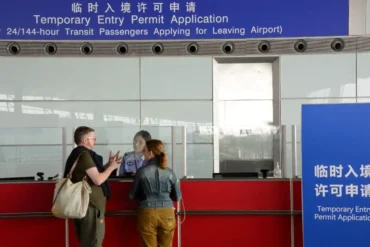
One of the most pivotal changes is the expansion of the Electronic Travel Authorization (ETA) system, which will now encompass citizens from EU countries. Initially designed for visitors from Gulf Cooperation Council (GCC) nations and Jordan, this system mandates that EU nationals apply for travel authorization before entering the UK. This shift marks a significant departure from the previously unfettered access enjoyed by EU citizens following the Brexit referendum. While the ETA aims to streamline entry procedures and enhance border security, it raises concerns about the erosion of free movement between the UK and EU nations, potentially complicating travel for millions.

In parallel, adjustments to the Skilled Worker Visa are also noteworthy. This visa category remains one of the primary avenues for foreign nationals seeking employment in the UK. However, recent policy changes have increased the qualification threshold, emphasizing the need for applicants to possess specific skills that are deemed critical to the UK economy. The minimum salary requirement for many professions has also been raised, a move that may disproportionately impact immigrants from countries like India and China, where individuals have traditionally filled lower-wage positions. The government’s focus on attracting highly skilled professionals in sectors such as healthcare, technology, engineering, and finance signals a shift towards building a workforce that aligns with the nation’s long-term economic goals. This evolution poses significant challenges for industries reliant on foreign labor, particularly in health and technology sectors, where the demand for skilled personnel remains high.
Another crucial aspect of the immigration reforms is the change to Post-Study Work Visas for international graduates. Effective in 2025, the duration for which non-EU students can remain in the UK after graduation has been shortened from two years to just 18 months. This reduction aims to limit the number of students permitted to stay and work in the UK, presenting hurdles for graduates attempting to secure long-term employment. The implications for students from India, China, and the Middle East are profound, as many view the UK as a prime destination for building careers post-education. As countries like the United States, Canada, and Australia offer more favorable post-graduation work opportunities, these changes may deter future international students from considering UK universities, thereby impacting the country’s appeal as a study destination.
The UK government has also introduced a Cruise Tax for travelers visiting popular island destinations such as Greece and Turkey. Beginning in July 2025, cruise passengers will face a tax of approximately €20 for visiting prominent islands, while lesser-known islands will see reduced taxes. This initiative aims to mitigate the environmental strain caused by cruise tourism and represents part of broader efforts to combat over-tourism. Though this tax introduces an additional cost for travelers, it also provides governments with resources to fund sustainability initiatives and infrastructure enhancements in these regions.
Furthermore, the residency requirements for obtaining Indefinite Leave to Remain (ILR) have been extended from five years to ten years. This change significantly impacts those aspiring to settle permanently in the UK, particularly skilled workers and entrepreneurs. The longer wait time before obtaining citizenship or residency status is intended to ensure that individuals who remain in the UK are genuinely committed to contributing to the country’s social and economic fabric. However, this extended timeline may serve as a deterrent for potential migrants, especially from South Asia and Eastern Europe, where the UK has historically been a favored destination for work and study.
The ramifications of these shifts are especially pronounced for the UK’s primary source markets for immigration, which include India, China, the United States, and the European Union. These nations have consistently supplied a robust stream of students, workers, and entrepreneurs who bolster the UK economy. With stricter immigration policies, particularly concerning skilled labor and students, there is a palpable risk that potential talent may seek opportunities elsewhere, leading to a decline in the flow of skilled individuals into the UK.
Looking forward, the UK faces a critical juncture in balancing its aspirations for economic growth and global influence against the necessity for national security and domestic labor market support. The ability to attract top-tier talent while imposing stringent immigration controls will undoubtedly shape the country’s future policy decisions. The current trajectory suggests a clear prioritization of highly skilled labor, which may inadvertently alienate a significant portion of potential immigrants who do not meet the elevated standards.
In conclusion, the immigration policies introduced in 2025 signal a definitive shift in the UK’s approach to managing its borders and attracting global talent. While the government’s intent to cultivate a high-skill workforce is evident, the broader implications for the economy and international relations remain uncertain. The challenge lies in reconciling the need for stringent immigration controls with the opportunities that a diverse and skilled workforce can bring to the UK. Only time will reveal the true impact of these policies on the nation’s economic landscape and its relationships with countries like India, China, and the European Union.