The onset of June 2025 has brought about a wave of significant shifts in immigration policies across the globe, reflecting a delicate balance between national interests, labor market demands, and international relations. China, alongside nations such as Poland, Australia, Sweden, UAE, US, UK, Spain, Portugal, France, and Italy, has introduced new regulations that will profoundly impact travel, work requirements, and residency conditions for foreigners. This article delves into the specifics of these reforms and their potential implications.
China’s Visa-Free Travel Expansion
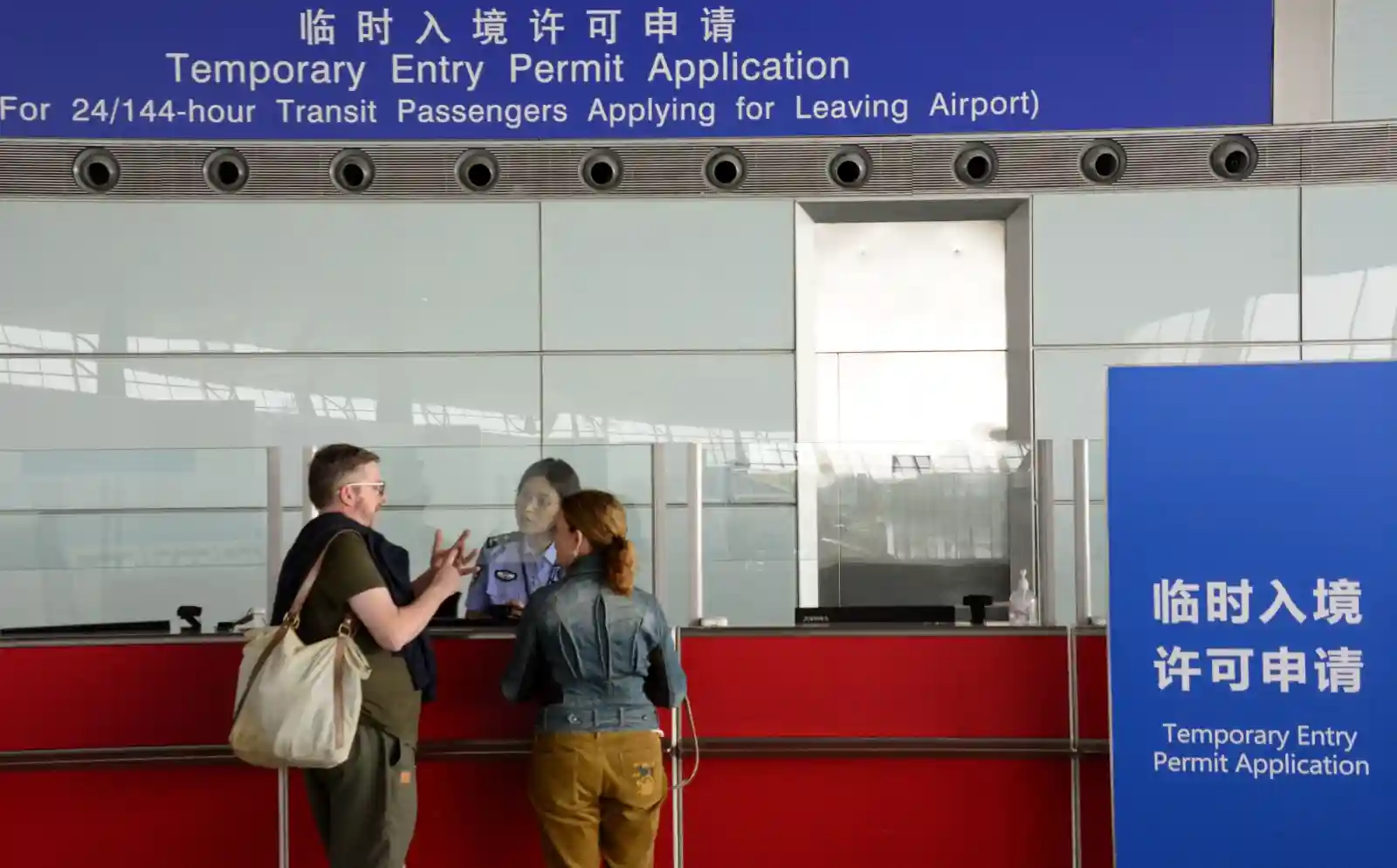
On June 9, 2025, China expanded its visa-free travel scheme to include citizens from Bahrain, Kuwait, Oman, and Saudi Arabia. These travelers can now visit China for up to 30 days without needing a visa. This strategic move builds upon existing agreements with Qatar and the UAE, signaling China’s intent to enhance its tourism and business interactions with the Gulf Cooperation Council (GCC) nations. Mao Ning, a spokesperson for China’s Foreign Ministry, emphasized the nation’s openness to welcoming more visitors from the region.
In addition to this expansion, starting from June 1, 2025, citizens from five Latin American countries—Argentina, Brazil, Chile, Peru, and Uruguay—will also enjoy similar visa-free access. Furthermore, China continues to grant visa-free entry to nationals from the European Union, including major countries like France, Germany, Italy, and Spain, as well as certain Asian nations such as Japan, South Korea, Malaysia, and those from Oceania, including Australia and New Zealand. These expansions not only reflect China’s growing openness but also its commitment to enhancing global tourism and fostering international business relations.
Poland’s Work Authorization Overhaul
Poland has initiated a comprehensive overhaul of its work authorization policies, effective June 1, 2025. One of the most significant changes is the abolition of the labor market test, which previously required employers to demonstrate that no local candidates were available for a position before hiring a foreign worker. Now, employers are only required to submit electronic applications for work permits, greatly streamlining the process and reducing bureaucratic delays.
Moreover, Poland has introduced a list of “protected” jobs, which are positions that cannot be filled by foreign workers. This list will be curated by district authorities and applies to specific sectors where domestic labor is prioritized. Another important aspect of the new regulations is that work permits for part-time positions lasting less than half-time will only be valid for one year. To further enhance compliance, priority processing is granted to employers in key economic sectors and those filling roles in shortage occupations. Stricter checks on employers have also been implemented, with penalties for illegal employment ranging from 3,000 PLN (approximately Rs 68,000) to 50,000 PLN (around Rs 11 lakh). Employers must provide a copy of the employment contract before the worker starts and report any changes in the foreign worker’s status within seven days.
Australia Cuts Migration Intake
In a move aimed at addressing housing and labor market challenges, Australia has set its migration intake for the year ending June 2025 at 250,000 people, reverting to pre-pandemic levels. According to the Australian Bureau of Statistics, net overseas migration saw a notable decline, dropping from 536,000 in the previous year to 446,000 in 2023-24. This strategic decision reflects the government’s commitment to restoring balance in its immigration system while ensuring that local needs are met.
Sweden Raises Income Threshold for Migrants
Sweden has implemented new immigration reforms that will raise the income threshold for migrants to qualify for a work permit. Starting in June 2025, migrants will need to earn at least 80% of the median Swedish salary, which currently amounts to approximately 35,600 kronor (around Rs 3 lakh). This policy shift aims to limit labor immigration to high-skilled roles, ensuring that migrant workers meet local salary standards. However, domestic care workers will be exempt from this new requirement. The push to prioritize highly skilled workers has resulted in a significant increase in arrivals from certain countries, with Indians emerging as the second-largest group of new arrivals, following Ukrainians.
UAE Introduces New Work Visit Visa
On June 30, 2025, the UAE will launch a new type of visa specifically designed for skilled professionals. The Visit Visa for Work Purposes will enable individuals to enter the country for short-term job assignments or to explore employment opportunities for up to 120 days. This initiative is part of the UAE’s broader strategy to enhance labor market flexibility and attract global talent in key sectors. Applicants must meet specific criteria, such as holding qualifications within skill levels 1 to 3 as designated by the Ministry of Human Resources and Emiratisation (MOHRE), possessing a bachelor’s degree or higher, or being recent graduates from top 500 global universities. Additionally, applicants must demonstrate sufficient financial means to support themselves during their stay.
Changes in the US Visa System
The United States has made headlines recently by pausing all new international student visa interviews. The State Department has ordered embassies to halt scheduling appointments for F, M, and J visa applicants. This measure is part of an expansion of social media checks for visa applicants, raising concerns about potential delays and increased scrutiny. In a related development, a federal judge blocked the Trump administration’s attempt to prevent Harvard University from enrolling international students, a decision that would have impacted approximately 7,000 visa holders. While this ruling provides temporary relief, the overall situation remains uncertain for international students planning to study in the U.S.
UK Immigration Surge and Visa Changes
In the UK, there has been a notable surge in applications for British citizenship, with over 6,600 Americans applying in the year ending March 2025, marking the highest number since 2004. A significant portion of these applications came between January and March 2025. Additionally, the UK’s White Paper on immigration proposed several key changes. Notably, the eligibility for Skilled Worker visas will now be restricted to university-level roles, excluding lower-skilled positions from qualification. Employers will be mandated to invest in training local staff; otherwise, they risk losing access to the Skilled Worker route. The paper also suggests an increase in the Immigration Skills Charge and modifications to the Graduate Route, shortening its duration from two years to 18 months.
Spain Eases Work and Study Permit Regulations
Spain has introduced significant reforms to its immigration system, particularly benefitting foreign workers and students. The new regulations enhance workplace protections for foreign workers and simplify residency processes for their dependent family members. University students are now allowed to work up to 30 hours per week, and upon graduation, they can transition directly to work permits without facing additional hurdles. Furthermore, eligible foreign students may also sponsor family members, significantly boosting Spain’s attractiveness as a destination for international students and skilled workers alike.
Portugal Tightens Border Control Systems
In Portugal, a new border control system requires third-country nationals with short-stay visas to provide biometric data, including fingerprints, upon arrival. While this initiative aims to bolster security and streamline immigration procedures, it may result in longer wait times at airports and seaports during the initial implementation phase.
France’s Talent—EU Blue Card Reforms
France has made revisions to its Talent—EU Blue Card system, increasing flexibility for highly qualified workers. The reforms now allow workers with contracts as short as six months to qualify, and applicants without higher education degrees can apply if they possess at least three years of relevant experience. These changes are part of France’s broader strategy to attract skilled labor necessary to meet its economic needs.
Italy Introduces Fingerprinting for National Visa Applicants
Italy has implemented a new biometric requirement for applicants seeking long-stay national (D) visas. Under this new procedure, applicants must attend an in-person interview to provide fingerprints. However, those who have previously submitted biometric information for a Schengen visa in the last five years may be exempted from this requirement.
In conclusion, the immigration policy changes across these nations highlight a trend towards greater regulation and prioritization of skilled labor. Each country’s approach reflects its unique economic needs and demographic challenges, shaping the landscape of global mobility for years to come.