As the 2026 FIFA World Cup approaches, the excitement surrounding this monumental event is palpable, with anticipation building for the largest tournament yet, featuring 48 teams competing in 104 matches across three nations: the United States, Canada, and Mexico. However, looming political tensions and controversial U.S. policies threaten to complicate Canada’s role as a co-host. With the tournament scheduled from June 11 to July 19, 2026, millions of international fans will travel across borders to witness the matches, but the uncertain political climate, particularly in the U.S., could pose significant barriers.
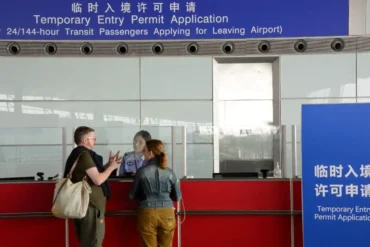
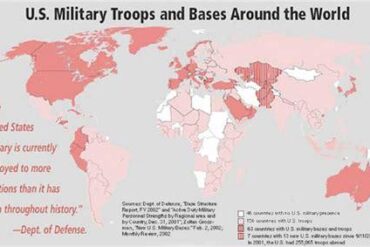
The U.S. currently enforces stringent immigration policies that may complicate travel for many soccer fans. President Trump’s travel bans, which restrict entry from several countries, remain a contentious issue. At present, the U.S. maintains travel restrictions on 12 countries, with additional limitations affecting another seven. There are ongoing discussions about potential restrictions for 36 other nations, raising concerns that fans from these regions may be unable to attend the World Cup.
While athletes and team members may enjoy some exemptions from these policies, the unpredictability surrounding U.S. visa approvals and potential political opposition could deter many potential visitors. As a result, some fans may opt to attend the matches in Canada instead, which has established itself as a more accessible destination for international travelers. This imbalance could significantly affect attendance at matches, especially with the final and semifinals set to take place in the U.S.
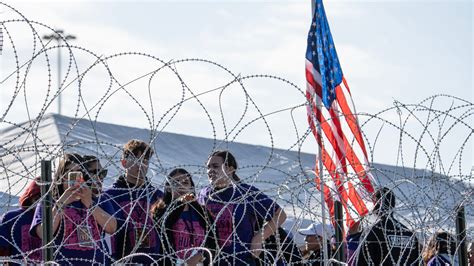
The Impact of U.S. Immigration Policies on the 2026 World Cup
The implications of U.S. immigration policies extend beyond just the World Cup. For instance, the 2025 FIFA Club World Cup, also set to occur in the United States, faces uncertainties due to the same travel restrictions affecting nationals from specific countries such as Iran and Libya. Although exemptions exist for athletes and their staff, the broader restrictions may deter fans and complicate logistical arrangements. The situation remains fluid, and organizers must remain vigilant regarding the evolving policies.
Similarly, the 2028 Summer Olympics in Los Angeles are under scrutiny due to the potential impact of U.S. travel restrictions on athlete participation. Despite assurances from LA28 officials that the event will proceed without hindrance, the reality of the situation could pose challenges for officials and athletes from affected nations. The International Olympic Committee and various stakeholders are closely monitoring these developments to ensure inclusivity and success.
Beyond these marquee events, other international sporting competitions may also experience challenges arising from U.S. immigration policies. Events across disciplines—ranging from athletics to team sports—may be affected depending on the nationalities of participants and officials. Organizers must stay informed about the evolving landscape and prepare contingency plans to mitigate potential disruptions.
Trade Disputes and Economic Impact on the 2026 World Cup
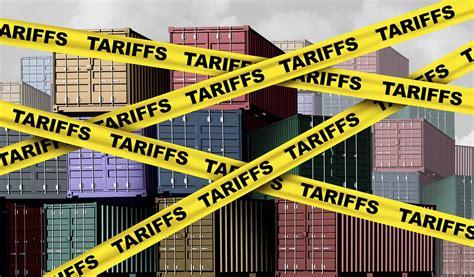
In addition to immigration issues, the trade relationship between the U.S. and Canada has become increasingly fraught, primarily due to tariffs imposed by the U.S. These ongoing trade disputes raise concerns regarding the smooth operation of the World Cup. Potential customs and trade barriers could impede the flow of essential goods, including jerseys, merchandise, and match-related supplies, leading to delays and financial losses for both event organizers and local businesses.
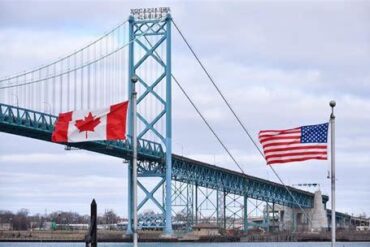
One specific concern involves the transportation of merchandise across the U.S.-Canada border. Companies producing World Cup-related items may encounter difficulties shipping products between the two nations, resulting in shortages or inflated prices for fans and tourists. These logistical challenges, though not immediately apparent, could have a ripple effect on the overall success of the tournament in both host countries.
Tourism and Travel Challenges Ahead
For tourists planning to attend the 2026 World Cup, the current political environment presents several hurdles. While Canada remains a welcoming destination for international visitors, the unpredictable nature of U.S. border and immigration regulations necessitates careful planning. Some fans may choose to visit Canada exclusively to avoid complications, while others might feel discouraged by the uncertainty surrounding U.S. visa approvals or travel bans.
The impact on tourism isn’t limited to the political climate alone; the U.S. hosts the majority of World Cup matches, meaning that travel bans and the tense political atmosphere could significantly reduce the number of international visitors willing to journey to the U.S. While exemptions may apply for World Cup participants, regular travelers could still face challenges or delays, resulting in fewer fans attending matches in U.S. cities. This decrease could detract from the vibrant atmosphere typically associated with such a prestigious event.
Quick Tips for World Cup Fans Planning to Visit Canada
- Stay Informed on U.S. Travel Policies: Awareness of current travel bans and visa requirements is crucial when planning your trip. Adjust your itinerary if necessary to accommodate changes in policies.
- Plan for Potential Delays: Anticipate possible delays at borders or in travel due to shifts in the political landscape. Staying updated on border conditions can save you time and frustration.
- Consider Canada for Travel: For a smoother experience, think about attending matches in Canada, where restrictions are expected to be less stringent, providing a welcoming environment for international fans.
- Book Early for Accommodations: Due to anticipated high demand, securing accommodations in both the U.S. and Canada well in advance is advisable.
- Check Visa Requirements: Ensure you have the necessary documentation for travel to both Canada and the U.S., particularly if your home country is affected by U.S. travel bans.
Navigating Political Tensions as the 2026 World Cup Approaches
As the 2026 FIFA World Cup draws closer, the interplay of political tensions, trade disputes, and immigration policies presents real challenges for the co-hosting nations—Canada, the U.S., and Mexico. While Canada remains largely unaffected by these issues, the unpredictable nature of U.S. immigration policies could hinder tourism and business operations related to the World Cup. For fans, businesses, and government officials, the coming year will be critical in ensuring the event proceeds smoothly despite the political climate.
As the countdown to 2026 continues, there remains hope that cooperation among the three host nations, along with global sporting organizations, will help overcome these challenges. Ultimately, the goal is to ensure that the World Cup remains a celebration of football for all, fostering unity and camaraderie among fans worldwide.