Air travel in the United States has entered a curious era. Passenger numbers continue to climb each year, low-cost carriers have dramatically expanded access to flight routes, and more Americans than ever before can cross the country in a matter of hours. Yet for many travelers, the modern airport experience feels like navigating a complex maze of security checkpoints, crowded terminals, and tightly packed departure lounges.
Against that backdrop, a handful of airports stand out for doing something remarkable: they make flying feel pleasant again. Customer satisfaction surveys conducted by organizations such as J.D. Power and Airports Council International (ACI) reveal that certain U.S. airports consistently outperform the rest when it comes to traveler experience. These rankings evaluate a wide range of factors, including terminal comfort, food and retail options, security wait times, accessibility, and overall ambiance.
Interestingly, the airports that dominate these rankings are not always the largest or most famous. Some are medium-sized regional facilities that focus on efficiency and design rather than sheer passenger volume. Others are major international hubs that have invested heavily in modernization and customer-focused amenities.
What they share is a deliberate approach to traveler experience. Instead of treating airports purely as transit infrastructure, these facilities increasingly resemble welcoming public spaces—places where architecture, service, and logistics intersect to create a smoother journey.
Why Airport Satisfaction Matters More Than Ever
Before diving into the airports themselves, it helps to understand why satisfaction ratings have become such an important metric within the aviation industry.
For travelers, the airport often sets the emotional tone of an entire trip. A stressful security line or confusing terminal layout can leave passengers frustrated before they even board the plane. Conversely, a smooth check-in process, comfortable waiting areas, and accessible amenities can transform a hectic travel day into a surprisingly enjoyable experience.
Survey organizations like J.D. Power measure satisfaction using a 1,000-point scoring system that evaluates several major categories:
- Terminal facilities and cleanliness
- Ease of navigation and airport layout
- Security and baggage handling efficiency
- Food, beverage, and retail quality
- Staff friendliness and service
- Accessibility and transportation links
Airports that perform well across these areas consistently rise to the top of the rankings. In many cases, their success reflects years of infrastructure investment and thoughtful design choices aimed at reducing traveler stress.
Among the dozens of airports evaluated each year, five facilities stand out as leaders in customer satisfaction. Each represents a slightly different philosophy about how airports should serve travelers.
John Wayne Airport: Southern California’s Stress-Free Alternative
Located in Santa Ana, California, John Wayne Airport (SNA) has built a remarkable reputation among frequent travelers. In the 2025 J.D. Power North America Airport Satisfaction Survey, it ranked first among large airports, earning an impressive 730 points out of 1,000, the highest score of any airport regardless of size.
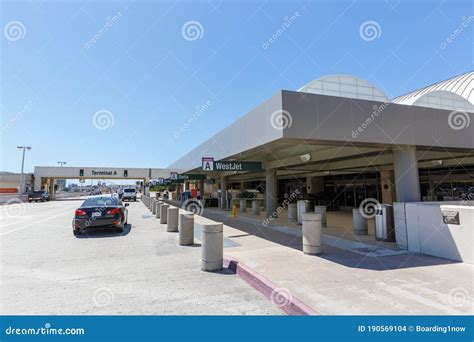
What makes John Wayne Airport special is its simplicity. Southern California is famous for its enormous aviation infrastructure, with Los Angeles International Airport (LAX) handling tens of millions of passengers each year. But LAX also suffers from notorious congestion, both in the air and on the surrounding highways.
John Wayne Airport offers a refreshingly different experience.
The airport is significantly smaller than LAX, which means shorter security lines, quicker boarding processes, and less complicated terminal layouts. Travelers consistently praise how easy it is to navigate the facility from entrance to gate. Parking, rideshare access, and baggage claim are also widely regarded as efficient and well organized.
Another factor contributing to its popularity is accessibility. Situated roughly 40 miles south of Los Angeles, the airport serves Orange County residents and visitors heading to destinations such as Newport Beach, Laguna Beach, and Disneyland Resort. Avoiding the infamous traffic chaos surrounding LAX can save travelers significant time and frustration.
Frequent flyers often describe the atmosphere as calm and orderly, with clean terminals and friendly staff helping maintain a relaxed environment. Over the past decade, John Wayne Airport has repeatedly placed at or near the top of satisfaction rankings, cementing its reputation as one of the most pleasant aviation gateways in the United States.
Minneapolis–St. Paul International Airport: A Mega Hub That Feels Human
Mega airports present a unique challenge. Facilities serving more than 33 million passengers per year must balance enormous passenger volume with a comfortable travel environment. Many struggle with congestion and long wait times.
Minneapolis–St. Paul International Airport (MSP) manages to do something rare: it combines large-scale capacity with a traveler-friendly atmosphere.

In the 2025 J.D. Power survey, MSP ranked first among mega airports, marking the second consecutive year it achieved the top position. The airport has now been the highest-ranked mega facility in three of the past four years.
A significant factor behind this success is extensive modernization. Over the past decade, MSP has invested hundreds of millions of dollars into terminal upgrades, improved passenger amenities, and redesigned public spaces. The result is an airport environment that feels more like a contemporary shopping center or upscale hotel than a typical transportation hub.
Travelers frequently highlight the quality of food and beverage offerings throughout the terminals. From regional Minnesota cuisine to international dining options, the airport’s culinary selection receives some of the highest ratings in the country.
Another distinctive feature is the airport’s attention to atmosphere. Art installations, comfortable seating areas, and carefully designed lighting contribute to a sense of openness and calm rarely associated with large airports.
One particularly unusual attraction sits inside the terminal: a $150,000 Steinway grand piano that travelers are welcome to play. Moments like this transform waiting time into a memorable experience rather than an inconvenience.
These details reflect a broader design philosophy: airports do not need to feel like industrial transit zones. With the right architecture and amenities, they can become welcoming public environments that soften the stresses of modern travel.
Indianapolis International Airport: The Gold Standard for Mid-Sized Airports
When frequent travelers discuss well-designed airports in North America, Indianapolis International Airport (IND) often enters the conversation almost immediately.
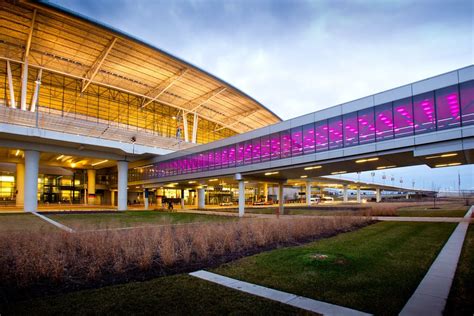
Although smaller than many major hubs, Indianapolis has earned a reputation as one of the most consistently admired airports in the country. In the 2025 J.D. Power rankings, it was named the top medium-sized airport for customer satisfaction for the fourth consecutive year and the eighth time since 2010.
The airport excels in several key categories. Passenger surveys consistently rate Indianapolis highly for:
- Terminal facilities and overall design
- Food and beverage quality
- Cleanliness and comfort
- Efficient security screening
Unlike sprawling mega hubs where passengers may walk long distances between gates, Indianapolis offers a compact and intuitive layout. Travelers often reach their departure gate quickly after passing through security, reducing the stress associated with tight connections.
The terminal itself is flooded with natural light, thanks to extensive glass architecture that creates an open and airy feeling. Clean lines, modern materials, and thoughtful seating arrangements contribute to a calm and welcoming environment.
Industry recognition extends beyond the J.D. Power survey. Condé Nast Traveler’s 2025 Reader’s Choice Awards ranked Indianapolis fourth among all U.S. airports, while the Airports Council International Airport Experience Awards also placed it among the top facilities in North America.
In a world where larger airports often dominate attention, Indianapolis demonstrates how thoughtful design and operational efficiency can deliver an exceptional passenger experience.
Gerald R. Ford International Airport: A Small Airport With Big Praise
Not every airport needs massive scale to earn traveler admiration. In fact, Gerald R. Ford International Airport (GRR) in Grand Rapids, Michigan proves that smaller facilities can deliver some of the most enjoyable travel experiences.
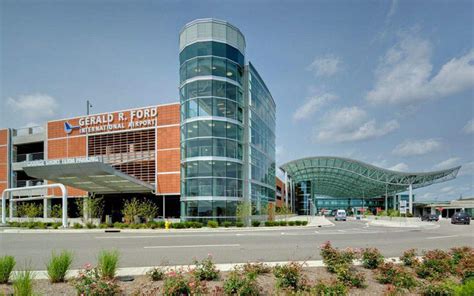
Serving over four million passengers in 2025, GRR is Michigan’s second-busiest airport, yet it remains relatively compact compared with major metropolitan hubs. That manageable size plays a significant role in its strong customer satisfaction ratings.
In the Airports Council International Customer Experience Awards, the airport received recognition across multiple categories, including:
- Best customer experience for departures
- Cleanest airport facilities
- Most dedicated staff in North America
Travelers frequently highlight the airport’s welcoming atmosphere and thoughtful amenities. Families appreciate the aviation-themed playrooms for children, while aviation enthusiasts enjoy the observation deck and outdoor aircraft viewing park.
One particularly distinctive feature is the self-serve wine wall, a creative addition that reflects the airport’s emphasis on comfort and local flavor.
GRR has also earned repeated honors in the USA Today Reader’s Choice Awards for Best Small Airport. These accolades illustrate how a smaller facility can outperform larger competitors by focusing on hospitality, cleanliness, and attentive service.
While it may not rival global giants like Singapore’s Changi Airport in size or spectacle, Gerald R. Ford International consistently delivers something many travelers value even more: simplicity and genuine friendliness.
Ontario International Airport: A Growing Favorite in Southern California
Southern California is home to some of the busiest airports in the world, but Ontario International Airport (ONT) has quietly emerged as a preferred alternative for many travelers.
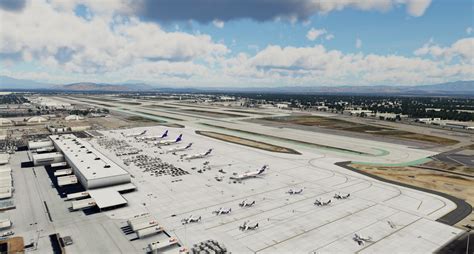
Located roughly 35 miles east of Los Angeles, the airport sits in the rapidly growing Inland Empire region. Its location makes it particularly attractive for passengers who want to avoid the congestion associated with LAX.
Ontario’s popularity has increased in recent years as airlines expand both domestic and international routes. Travelers appreciate the airport’s manageable size, shorter security lines, and easy ground transportation access.
In the 2025 J.D. Power Airport Satisfaction Survey, Ontario ranked second among medium-sized airports, just behind Indianapolis. Meanwhile, the Airports Council International Customer Experience Awards also recognized it as one of the best North American airports for departure experience.
One intriguing feature sets Ontario apart from many other airports in the United States. The airport participates in a program that allows visitors to register as guest escorts, enabling them to pass through security and accompany friends or family directly to the gate. This practice was once common before the security changes implemented after September 11, 2001.
For many travelers, this small gesture restores a sense of humanity to the airport experience—turning departures and reunions into meaningful moments rather than hurried curbside exchanges.
As passenger numbers continue to grow in Southern California, Ontario International Airport is increasingly positioned as a practical and comfortable alternative to the region’s busiest hubs.
How These Airports Were Selected
The airports featured here consistently perform well across multiple independent evaluations. The primary sources for rankings include J.D. Power’s North America Airport Satisfaction Survey and the Airports Council International Airport Experience Awards, both widely respected within the aviation industry.
These surveys categorize airports based on annual passenger volume, ensuring that facilities are evaluated against others of similar size. Typical categories include:
- Mega airports – more than 33 million passengers annually
- Large airports – 10 to 32 million passengers
- Medium airports – 4.5 to 10 million passengers
- Small airports – fewer than 4.5 million passengers
Additional insights come from reader surveys conducted by publications such as Condé Nast Traveler and USA Today, which capture real-world passenger impressions from frequent flyers.
Together, these data sources provide a comprehensive picture of which airports consistently deliver the most satisfying travel experiences.
The Future of Passenger-Focused Airport Design
Airports once functioned primarily as logistical infrastructure—efficient machines designed to move people from ground transportation to aircraft as quickly as possible. Today, the philosophy has shifted dramatically.
Modern airports increasingly prioritize passenger comfort, architectural beauty, and memorable amenities. Restaurants highlight regional cuisine, terminals incorporate natural light and public art, and technology streamlines everything from security screening to baggage tracking.
The airports that rise to the top of satisfaction rankings share a common insight: when travelers feel relaxed and welcomed, the entire aviation experience improves.
As passenger demand continues to grow across the United States, the lessons from these high-ranking airports may shape the next generation of airport design. Whether through efficient layouts, thoughtful amenities, or simply attentive customer service, these facilities demonstrate that flying does not have to feel like an ordeal.
In the evolving story of air travel, the airport itself is becoming just as important as the destination.