The Daniel K. Inouye International Airport (HNL) is undergoing a significant transformation aimed at creating a more efficient, comfortable, and culturally rich experience for the millions of travelers who pass through its gates annually. The latest wave of developments, driven by collaborative efforts between the Hawaii Department of Transportation (HDOT), Hawaiian Airlines, and hospitality partner HMSHost, showcases a strategic commitment to modernization and customer satisfaction.
HNL, located in Honolulu on the island of Oʻahu, serves as a vital hub for interisland, domestic, and international travel. These new improvements go beyond superficial upgrades—they reflect a systemic effort to optimize passenger flow, enhance amenities, and spotlight Hawaii’s unique sense of place through carefully curated culinary experiences and infrastructural upgrades.
Strategic Infrastructure Upgrades Redefine Passenger Flow
A centerpiece of the improvements is the unveiling of newly constructed restrooms in Terminal 1, replacing outdated facilities and elevating the standard of comfort and cleanliness. These restrooms were not merely added; they are part of a calculated redesign following the relocation of the central TSA checkpoint to what is now known as Checkpoint 1B on the makai side. This change, originally completed in 2022, paved the way for a more logical and efficient terminal layout.
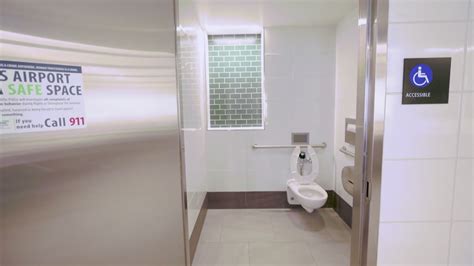
The restroom project, led by Hawaiian Airlines, exemplifies how public-private collaboration can yield tangible improvements in a high-traffic environment. This construction was executed as part of a broader agreement that also includes the upcoming development of a breakroom for TSA employees, ensuring that those responsible for critical security operations are supported with adequate workplace facilities. This dual-phase investment totals $14 million, a significant commitment that underscores the airline’s long-term investment in infrastructure resilience and passenger satisfaction.
Enhancing Operational Synergy Through Strategic Partnerships
“This project is more than just a construction milestone, it’s a testament to the power of partnership,” noted Monica Kobayashi, Managing Director for Airport Operations at Hawaiian Airlines. Her words capture the spirit of this transformation—stakeholders combining resources and expertise to accelerate timelines and raise the quality of execution.
In practical terms, these partnerships reduce bureaucratic delays and streamline implementation. The synergy between HDOT and Hawaiian Airlines is already being lauded as a model for future public-private collaborations, especially as airports nationwide seek sustainable modernization strategies in the post-pandemic era.
Culinary Expansion Brings Familiar Comforts and Local Flavor
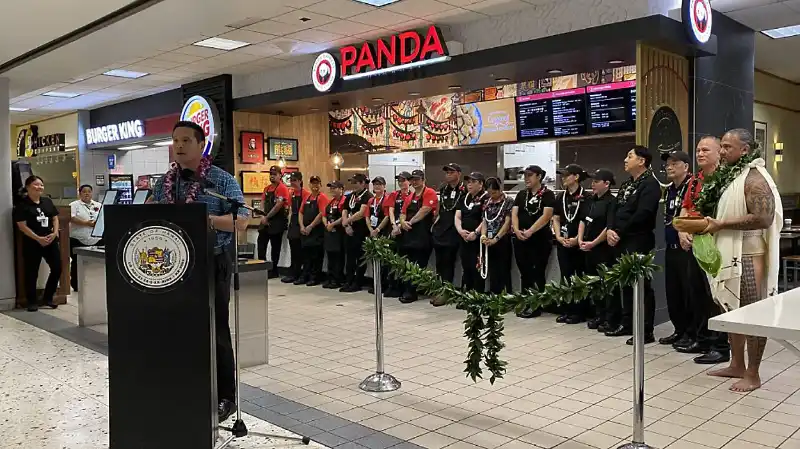
In tandem with the infrastructure work, the airport is expanding its food and beverage offerings to enhance the sensory experience of its travelers. HMSHost and HDOT recently held a grand opening and traditional blessing for a new Panda Express location in Terminal 1. The fast-casual restaurant, which had a soft opening on May 27, has already begun serving its familiar menu of American Chinese dishes—from Orange Chicken to Beijing Beef—to enthusiastic travelers.
A second Panda Express is set to open in Terminal 2’s food court in August, further expanding access to this popular brand. This rollout is part of HMSHost’s broader strategy to balance national brand recognition with local authenticity, providing comfort food that meets the diverse preferences of Hawaii’s eclectic traveler base.
“We are extremely excited to bring our travelers a well-recognized and sought-after brand in Panda Express,” said Chris Kadohiro, Director of Operations for HMSHost. “The addition… will allow us to increase passenger satisfaction and provide them great comfort food as they travel.”
Waialua Café and Local Culinary Innovations on the Horizon
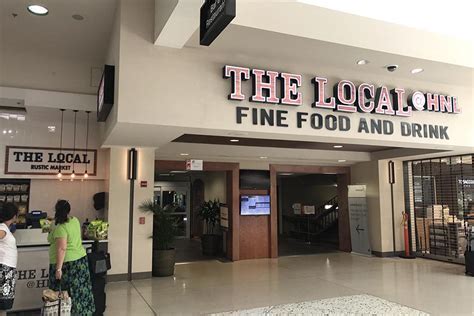
Beyond chain offerings, HMSHost is investing in local identity and regional cuisine. The upcoming opening of the Waialua Café and Bar in the Mauka Terminal, scheduled for later this year, will introduce travelers to locally sourced ingredients and beverages with a distinctly Hawaiian flair. This establishment is part of a continuing effort to showcase Hawaii’s vibrant food culture in one of its most trafficked public spaces.
Future plans include additional dining venues curated by well-known local chefs and restaurateurs, further embedding Hawaiian culture and flavor into the airport experience. These additions will bring not only culinary excellence but also storytelling—each bite offering a taste of Hawaii’s cultural mosaic.
Investment in Passenger Comfort and Staff Welfare
While much of the public attention gravitates toward traveler-facing upgrades, the behind-the-scenes efforts are equally noteworthy. Hawaiian Airlines’ commitment to building a new TSA breakroom ensures that security personnel can perform their duties with improved morale and efficiency. This space will provide rest and recharge opportunities in a demanding work environment, helping support the broader safety ecosystem of the airport.
Simultaneously, HMSHost is upgrading furniture across food and beverage outlets in Terminal 1, enhancing both aesthetics and comfort. These seemingly minor changes contribute significantly to the overall passenger experience, making waiting times and layovers far more tolerable.
A Unified Vision for the Future of Hawaiian Air Travel
“This is not just about terminals and tiles,” said Ed Sniffen, Director of HDOT. “It’s about creating places that are welcoming, efficient, and reflective of who we are as a community.” His statement highlights the holistic philosophy driving these improvements: enhancing functionality while embedding cultural and emotional resonance into the infrastructure.
By working closely with Hawaiian Airlines and HMSHost, HDOT is not only delivering technical upgrades but also transforming HNL into a more humane, accessible, and identity-rich transportation node. With global tourism rebounding and Hawaii’s role as a premier destination stronger than ever, these improvements come at a critical juncture.
Long-Term Benefits: More Than Just Aesthetic Enhancements
The implications of these enhancements are far-reaching. From a logistical standpoint, relocating the TSA checkpoint and upgrading restrooms improves passenger flow and security screening efficiency. From a psychological perspective, adding familiar food options and clean, modern facilities reduces stress and enhances traveler satisfaction. These upgrades also have economic impacts, as improved passenger experiences encourage return visits and positive word-of-mouth for Hawaii’s largest airport.
Furthermore, showcasing local food and hospitality brands provides platforms for small businesses and entrepreneurs to engage with an international audience. This not only stimulates the local economy but also reinforces Hawaii’s cultural authenticity in the face of globalization.
Honolulu Airport as a Benchmark for Integrated Airport Design
The Daniel K. Inouye International Airport is rapidly emerging as a benchmark for integrated airport design and experience-focused travel infrastructure. By merging global convenience with regional character, HNL is carving a unique niche that few other airports can replicate. The airport is not just a place of transit but a gateway into the Hawaiian experience, setting the tone for visitors and residents alike from the moment they arrive.
As further projects are finalized and announced—particularly those involving collaborations with local culinary talents—the public can expect an even more personalized, thoughtful, and seamless journey through Honolulu’s primary travel hub. If these developments are a sign of what’s to come, the future of Hawaiian air travel is not just modern—it’s deeply meaningful.
Conclusion: A Model for Other Airports to Emulate
With over $14 million invested, new cultural dining venues, upgraded passenger facilities, and a design philosophy rooted in partnership and place-based identity, Honolulu’s Daniel K. Inouye International Airport is reshaping what it means to welcome travelers in the 21st century. These enhancements are more than surface-level—they are structural, cultural, and deeply intentional.
Airports around the world would do well to study this model, where modernization meets authenticity, and operational efficiency walks hand-in-hand with passenger well-being. For Hawaii, it’s more than just an airport—it’s a first and lasting impression. And with these improvements, it’s a great one.