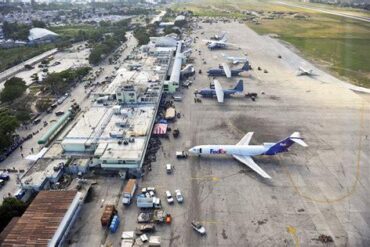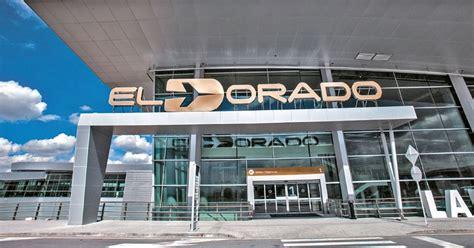
El Dorado International Airport (IATA: BOG, ICAO: SKBO), officially known as Luis Carlos Galán Sarmiento El Dorado International Airport, stands as a monumental testament to Colombia’s burgeoning presence on the global stage. Serving Bogotá, the nation’s sprawling capital, and its extensive surrounding areas, El Dorado is far more than just an airport; it is a critical nexus for commerce, tourism, and international relations in Latin America. Strategically positioned, the airport is predominantly located within the Fontibón district of Bogotá, with its boundaries partially extending into the Engativá district and the municipality of Funza in the Cundinamarca Department. Its significance is underscored by its staggering passenger and cargo throughput, consistently ranking it as one of the busiest and most vital air transportation facilities in the Western Hemisphere.
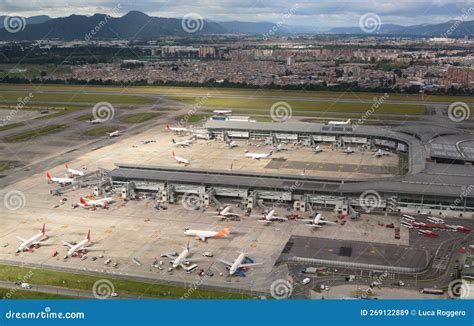
In 2024, El Dorado International Airport impressively handled 45,802,360 passengers, a figure that firmly establishes it as the busiest airport in Latin America in terms of passenger traffic. This remarkable volume also placed it as the 32nd busiest airport globally in 2022. Beyond passenger transit, El Dorado is an undisputed titan in air cargo, having processed approximately 809,021 metric tons in 2024, making it Iberoamerica’s most important cargo hub. This dual preeminence in both passenger and freight operations highlights its pivotal role in connecting continents. Within Colombia, El Dorado’s dominance is even more pronounced, accounting for nearly half (49%) of the country’s total air traffic, solidifying its status as the nation’s foremost aviation center. The facility itself sprawls across an impressive 1,700 acres (690 hectares) and features two parallel runways, 14L/32R and 14R/32L, each measuring a substantial 3,800 meters (12,467 feet) in length and surfaced with asphalt, capable of accommodating the largest commercial aircraft.
El Dorado’s strategic geographical placement between North and South America has earned it the well-deserved moniker, “The Hub of the Americas.” This advantageous location facilitates seamless connections for both passengers and cargo, not only between the Americas but also to destinations across the globe. The airport boasts an extensive network of non-stop international flights, linking Bogotá to major cities in North America, South America, Central America, the Caribbean, Europe, and even the Middle East. As of 2024, it is recognized as the most well-connected airport in Latin America and ranks as the 20th most connected airport worldwide. This extensive connectivity is a cornerstone of its operational philosophy and a key driver of its success. The airport is owned by the Government of Colombia and operated by Operadora Aeroportuaria Internacional (OPAIN S.A.), a consortium comprising Colombian construction and engineering firms, alongside the Swiss company Flughafen Zürich AG, renowned for operating Zurich Airport. This partnership brings a blend of local expertise and international operational excellence to El Dorado’s management.
A Storied Past: The Genesis and Evolution of El Dorado
The origins of El Dorado International Airport trace back to the mid-20th century, during the ambitious modernization drive led by General Gustavo Rojas Pinilla. Construction commenced in 1955, with the airport officially entering service on December 10, 1959. This landmark opening signified a major shift in Colombia’s aviation landscape, as El Dorado replaced the aging Techo International Airport, which had served as Bogotá’s primary air gateway since 1930. Prior to El Dorado’s inauguration, Soledad International Airport in Barranquilla held the distinction of being the nation’s principal air hub, a role it relinquished upon the new Bogotá airport’s completion. The task of adorning the airport’s exterior fell to the Sociedad de Mejoras y Ornato de Bogotá. The name “El Dorado” itself was a subject of considerable deliberation. A name was sought that was short, easy to pronounce, and evocative of the indigenous Muisca culture that historically inhabited the Bogotá Savannah and their legendary city of gold. After extensive discussions involving prominent academics such as Professor Luis López de Mesa, Father Félix Restrepo, and Alberto Miramón, “El Dorado” was chosen, initially written as a single word, “Eldorado,” by decree.
The inauguration on December 10, 1959, was a grand affair, marked by a spectacular aeronautical exhibition that began on December 6th, featuring 16 airplanes, including 12 jet-propelled aircraft and four B-26s, which captivated the public. The iconic “Eldorado” sign, a prominent feature of the terminal’s façade, was installed, though records from the participating architectural firm Cuéllar, Serrano, Gómez y Cía., and the Sociedad de Mejoras y Ornato do not specify the manufacturer or the weight of the eight letters. By 1973, El Dorado had already achieved a significant milestone, processing over three million passengers and nearly five million pieces of luggage, prompting early discussions about the need for a second runway to manage anticipated future growth. In 1990, the Special Administrative Unit of Civil Aeronautics (Aerocivil), Colombia’s civil aviation authority, relocated its headquarters to the airport grounds. The much-anticipated second runway was inaugurated in 1998. While a crucial capacity enhancement, its operation led to considerable disagreement from residents in the nearby Fontibón area due to increased noise from day and night air operations. A significant, albeit controversial, change occurred in 2012 when, following Law 75 of 1989 honoring Luis Carlos Galán, Law 1529 of 2012 officially renamed the airport to “Luis Carlos Galán Sarmiento El Dorado International Airport.” This change, which also separated “El” and “Dorado,” sparked debate due to the associated costs and the perceived lack of a direct connection between the politician and the airport. By the end of 2017, comprehensive modernization works, particularly on the new Terminal 1, were fully completed, expanding its area from 173,000 to 235,000 square meters and boosting its capacity to serve up to 43 million passengers annually.
The Avianca Hub and the Puente Aéreo Legacy
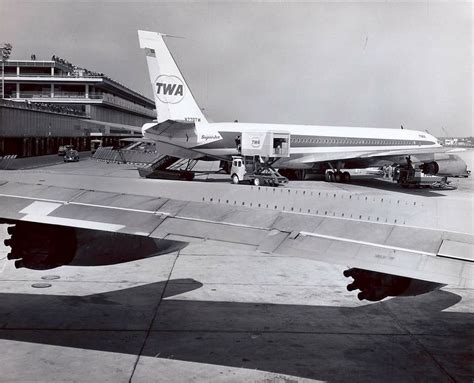
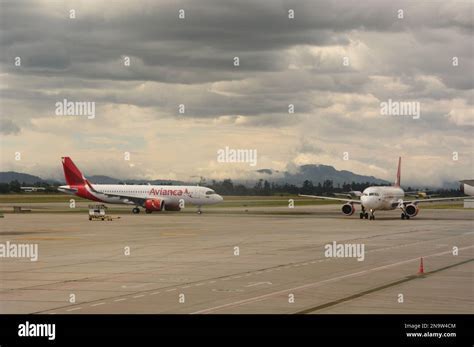
Avianca, Colombia’s flag carrier, officially established its primary hub at El Dorado International Airport in December 1998. This move was pivotal for the airline, centralizing its operations and leveraging Bogotá’s strategic location. As of August 2023, Avianca operates flights to 52 destinations from Bogotá, making it a cornerstone of the airport’s extensive network. El Dorado serves as one of two major hubs for the Avianca group, the other being Avianca El Salvador’s hub at El Salvador International Airport. The development of the Puente Aéreo (Air Bridge) terminal is an integral part of Avianca’s history at El Dorado. Inaugurated in 1981 by President Julio César Turbay Ayala, Avianca constructed this dedicated terminal initially for its high-frequency flights to key domestic destinations like Cali and Medellín, as well as international routes to Miami and New York. Over the years, until 2005, Avianca progressively shifted all its domestic operations to the Puente Aéreo, while its Miami and New York flights moved to the main terminal. This consolidation allowed Avianca to optimize its ground operations, repurposing space previously used for customs and immigration into additional passenger gates and lounges. In 2006, the Puente Aéreo underwent extensive renovations. However, with the larger modernization plans for El Dorado already underway, many of these renovations were temporary, designed for cost-effectiveness. For instance, new gate walkways were simply floor tiles laid over the old tarmac, and structures used aluminum with plastic sheeting instead of more permanent materials. Passengers often had to cross active service lanes and use air stairs to board aircraft. In February 2008, Avianca introduced its “Avianca store” concept at the Puente Aéreo, selling branded merchandise, which proved highly successful and was later expanded. A significant operational shift occurred on April 28, 2018, when Avianca moved its entire domestic operation from the Puente Aéreo (then designated Terminal 2) to the newly expanded Terminal 1. Consequently, local carriers SATENA and Clic Air (formerly EasyFly) began operating from the Puente Aéreo, which is now officially designated as Terminal 2.
CATAM: The Military Heartbeat at El Dorado
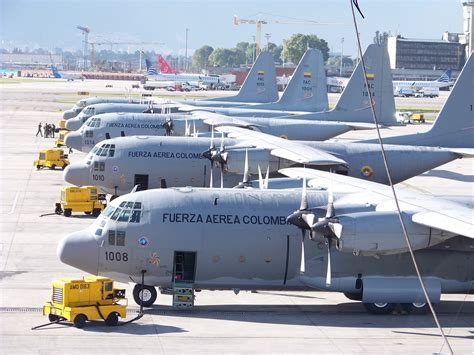
Adjacent to the bustling civilian operations of El Dorado lies the Comando Aéreo de Transporte Militar (CATAM), the Colombian Air Force’s primary military air transport base. Its history predates El Dorado’s modern configuration, with the first Military Transport Service in Colombia launched on September 3, 1932, when a Junkers F-13 transported Colonel Luis Acevedo to Leticia during the conflict with Peru. Rudimentary air transport capabilities using aircraft like the Junkers W 34, Ju 52, and BT-32 Condor were crucial during this period. In 1954, a “Liaison Squadron” was created under the direct orders of then-President General Gustavo Rojas Pinilla, initially based at Techo Airport. Its success led to the formation of a Military Airlift Group, which achieved the status of a Transportation Base in 1959. With the completion of El Dorado International Airport, the Colombian Air Force transferred this unit to an area adjacent to the new civil airport, utilizing its facilities while construction of the dedicated military base was finalized. CATAM was officially inaugurated on May 28, 1963. It was designated as an Operations and Logistics Support Center by FAC Directive No. 4429 on July 8, 1963, commencing full operations on October 25th of that year. A significant enhancement to its capabilities came in 1968 with the delivery of the first two Hercules C-130B aircraft (FAC-1001 and FAC-1002). These robust aircraft were ideal for Colombia’s diverse terrain, capable of operating from short and unpaved runways, fulfilling critical military transport and troop deployment needs. In 1977, the Military Transport Aviation Command was named in honor of the Colombian aviation pioneer, Honorary Brigadier General Camilo Daza Alvarez. Throughout the late 20th century, CATAM played a vital role in supporting surface forces in operations against subversion and drug trafficking, leading to the acquisition of more C-130 Hercules aircraft. Between 1990 and 1991, the base received six additional C-130B aircraft from the U.S. government to bolster these efforts. Infrastructure improvements in 1996 included new ground access routes, featuring a dual carriageway and a tunnel under the aircraft access ramp to El Dorado’s runway 2, along with an expanded parking lot. CATAM also hosts the Colombian Air Force Museum, showcasing a variety of aircraft that have served throughout the force’s history. A major technological upgrade occurred in 2003 with the installation of Night Vision Goggle (NVG) equipment in Hercules C-130 and CN-235 Nurtanio aircraft, significantly enhancing night operation capabilities for transport, parachuting, and aeromedical evacuations, effectively doubling the base’s operational capacity to 24 hours a day.
Modern Terminals and Comprehensive Facilities
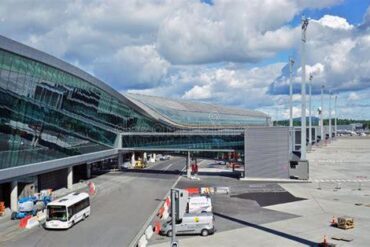
El Dorado International Airport’s passenger experience is primarily centered around Terminal 1 (T1), a modern and expansive facility. Designed in a distinctive lowercase “h” shape, T1 is intelligently divided into two main piers: the international concourse on the north side and the domestic concourse on the south side. This layout facilitates efficient passenger flow and connections. Terminal 1 is well-equipped with premium passenger amenities, including four airline lounges operated by LATAM, Avianca, and Copa Airlines, in addition to the exclusive El Dorado Lounge by Mastercard located in the international concourse. The domestic concourse also features an Avianca lounge. Passengers have access to a wide array of dining options, both airside (after security) and landside (before security), catering to diverse culinary preferences. The duty-free area offers numerous retail stores and cafés for shopping and relaxation. Essential services such as car rental facilities, airline ticket counters, ATMs, public telephones, restrooms, luggage storage, and even a small casino are readily available. Complimentary Wi-Fi service is provided throughout the terminal. T1 boasts multiple check-in counter areas, self-service check-in kiosks, and significantly expanded immigration and security lanes compared to its predecessor. To expedite processing, “Express lanes” have been implemented for holders of biometric passports and Global Entry memberships. The terminal is designed for universal accessibility, featuring moving walkways, escalators, and elevators to ensure smooth transit for all passengers, including those with reduced mobility. Terminal 1 currently has 32 gates: 10 dedicated to international flights and 22 for domestic services, five of which are remote stands requiring bus transport.
The facility formerly known as the Puente Aéreo now operates as Terminal 2 (T2). Historically, this terminal was exclusively used by Avianca for its domestic flights. Following Avianca’s complete consolidation of domestic operations into T1 on April 29, 2018, Terminal 2 became the operational base for regional carriers SATENA and Clic Air. Terminal 2 has been revamped and includes a food plaza, several retail stores, and ATM services. The headquarters of the Special Administrative Unit of Civil Aeronautics (Aerocivil) is situated in the new Aerocivil Building, a modern structure located on the airport property, having moved from its previous location on the fourth floor of the old main terminal building.

Ambitious Modernization and Future Expansion
The journey to El Dorado’s current state of modernity has been marked by ambitious development projects. The process gained significant momentum on February 7, 2007, when the Colombian government awarded a concession to the OPAIN consortium for the airport’s modernization and operation. The initial plan focused on upgrading existing structures and constructing additional buildings connected to the main terminal. However, during these initial upgrading works (referred to as Milestone 1), structural defects were discovered in the old terminal building. While not compromising immediate safety, these findings prompted a re-evaluation. OPAIN had, from the outset, proposed demolishing the aging terminal and constructing an entirely new facility, a proposal initially met with government resistance due to budgetary and legal complexities related to the concession terms. The discovery of structural issues ultimately led the government to agree to the demolition and to compensate OPAIN for the renovation work already undertaken. The overarching goal was to equip El Dorado to handle 16 million passengers annually and 1.5 million tons of cargo. This necessitated moving the cargo terminal to allow for passenger terminal expansion and ensuring improved access beyond the existing 26th Street corridor.
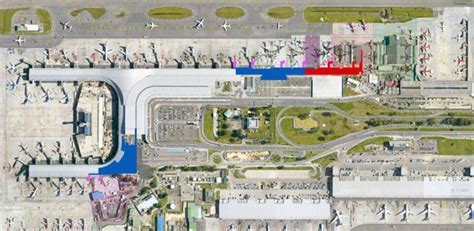
Milestone 1 of the modernization plan commenced on September 19, 2007. This phase included expanding the Central Arrivals Hall of the existing terminal and installing the Common Use Terminal Equipment (CUTE) system. This was completed by March 2008. Concurrently, construction of a new cargo terminal, a new building for Aerocivil, a new fire station, an administrative center, and a quarantine facility were undertaken and completed by September 2009. Milestone 3 began in late November 2009. This involved the construction of what was then called Terminal 2 (now the current, unified Terminal 1), situated on the north side of the old terminal, designed to handle all international passenger traffic. Its construction was slated for completion by 2012. The old Terminal 1 building was designated to handle only domestic passengers (excluding Avianca, which continued using the Puente Aéreo at that time). On October 17, 2012, the new international terminal (then Terminal 2) was inaugurated, and on October 19th, all international operations were seamlessly transferred to this new facility. The old Terminal 1 building was subsequently demolished to make way for the construction of a new domestic passenger terminal, which integrated with the international section. The new El Dorado International Airport, designed by Zyscovich Architects, was the largest infrastructure project in Bogotá upon its substantial completion in July 2014. The new international facility was then logically renamed Terminal 1, consolidating all main operations. Final touches and further enhancements to this integrated Terminal 1 were completed in 2017, bringing it to its current highly functional state.
Looking ahead, El Dorado’s development continues. In January 2015, a two-stage plan was proposed to further enhance Bogotá’s air access. Phase 1 included a major expansion of the current main terminal, aiming to increase the number of gates from 37 to 56 and thereby boost annual capacity from 27 million to 40 million passengers. This phase also encompassed runway improvements for increased efficiency. Phase 2 envisioned the construction of an entirely new secondary airport, tentatively named El Dorado II, in the suburb of Facatativá, west of Bogotá, originally planned to open in 2023 and to be connected to the main airport via a commuter or light rail system. More recently, in 2023, ambitious plans were announced to nearly double El Dorado’s capacity to 60 million passengers, with a contract for this massive undertaking expected to be awarded by 2025. As of April 2025, the government has released a new 3D proposal for this next grand project, dubbed El Dorado Máximo Desarrollo (EDMAX) or El Dorado Max, signaling a continued commitment to ensuring the airport remains a leading aviation facility.
Airlines and Global Destinations
El Dorado International Airport serves as a crucial hub for a multitude of airlines, connecting Bogotá to an extensive network of domestic and international destinations.
Passenger Airlines
- Aerolíneas Argentinas: Buenos Aires–Aeroparque
- Aeroméxico: Mexico City
- Air Canada: Montréal–Trudeau, Toronto–Pearson
- Air Europa: Madrid
- Air France: Paris–Charles de Gaulle
- American Airlines: Dallas/Fort Worth, Miami
- Arajet: Punta Cana, Santo Domingo–Las Américas
- Avianca: Arauca, Armenia, Aruba, Asunción, Barcelona, Barrancabermeja, Barranquilla, Boston, Bucaramanga, Buenos Aires–Aeroparque, Buenos Aires–Ezeiza, Cali, Cancún, Caracas, Cartagena, Chicago–O’Hare, Cúcuta, Curaçao, Cusco, Dallas/Fort Worth (begins May 26, 2025), Florencia, Fort Lauderdale, Georgetown–Cheddi Jagan, Guatemala City, Havana, Ipiales, La Paz, Leticia, Lima, London–Heathrow, Madrid, Manaus, Medellín–JMC, Mexico City, Miami, Montería, Montevideo, Montréal–Trudeau, Neiva, New York–JFK, Orlando, Panama City–Tocumen, Paris–Charles de Gaulle, Pasto, Pereira, Popayán, Punta Cana, Quibdó, Quito, Rio de Janeiro–Galeão, Riohacha, San Andrés Island, San José (CR), San Juan, San Salvador, Santa Marta, Santiago de Chile, Santo Domingo–Las Américas, São Paulo–Guarulhos, Sincelejo, Tampa, Tegucigalpa/Comayagua (ends May 31, 2025), Toronto–Pearson, Tulum (ends July 1, 2025), Valledupar, Villavicencio, Washington–Dulles, Yopal
- Avianca Costa Rica: San José (CR)
- Avianca Ecuador: Aruba, Buenos Aires–Ezeiza, Córdoba (AR) (begins June 16, 2025), Guayaquil, Panama City–Tocumen, Quito, Santa Cruz de la Sierra–Viru Viru
- Avianca El Salvador: San Salvador
- Avianca Express: Armenia, Barrancabermeja, Florencia, Ibagué, Neiva, Popayán, Tumaco, Villavicencio, Yopal
- Avianca Guatemala: Guatemala City
- Avior Airlines: Barcelona (VE), Caracas
- Clic Air: Arauca, Armenia, Barrancabermeja, Bucaramanga, Buenaventura, Cali, Cartagena, Cúcuta, Florencia, La Macarena, Manizales, Medellín–Olaya Herrera, Neiva, Pitalito, Popayán, Puerto Asís, Puerto Inírida, Quibdó, San José del Guaviare, Tumaco, Yopal
- Copa Airlines: Panama City–Tocumen
- Delta Air Lines: Atlanta
- Edelweiss Air: Seasonal: Zürich (via Cartagena¹)
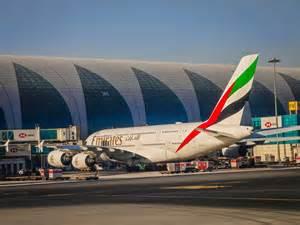
- Emirates: Dubai–International, Miami
- Gol Linhas Aéreas: Brasília, Manaus
- Iberia: Madrid
- JetSmart Colombia: Cali, Cartagena, Medellín–JMC, Pereira, Santa Marta
- JetSmart Chile: Santiago de Chile
- KLM: Amsterdam (via Cartagena²)
- LASER Airlines: Caracas
- LATAM Chile: Miami, Santiago de Chile
- LATAM Colombia: Armenia, Barranquilla, Bucaramanga, Cali, Caracas, Cartagena, Cúcuta, Ibagué, Leticia, Lima, Medellín–JMC, Miami, Montería, Neiva, Orlando, Pasto, Pereira, Quito, Riohacha, San Andrés Island, Santa Marta, São Paulo–Guarulhos, Yopal
- LATAM Ecuador: Quito
- LATAM Perú: Lima
- Lufthansa: Frankfurt
- Plus Ultra Líneas Aéreas: Madrid
- SATENA: Aguachica, Apartadó, Arauca, Buenaventura, Florencia, Girardot, Ipiales, La Macarena, Medellín–Olaya Herrera, Mitú, Paipa, Pitalito, Puerto Asís, Puerto Carreño, Puerto Inírida, Puerto Leguízamo, Quibdó, San José del Guaviare, San Vicente del Caguan, Saravena, Sincelejo, Tame, Tolú, Tumaco, Valencia (VE), Villagarzon, Villavicencio
- Spirit Airlines: Fort Lauderdale, Orlando
- Turkish Airlines: Istanbul (via Panama City³)
- Turpial Airlines: Valencia (VE)
- United Airlines: Houston–Intercontinental, Newark
- Viva (ceased operations): Formerly Cancún, Guadalajara, Mexico City–AIFA, Monterrey
- Volaris: Mexico City
- Wingo: Armenia, Aruba, Barranquilla, Bucaramanga, Cali, Cancún, Caracas, Cartagena, Curaçao, Havana, Lima, Medellín–JMC, Panama City–Balboa, Panama City–Tocumen, Pereira, Punta Cana, San José (CR), Santa Marta, Santo Domingo–Las Américas
Notes regarding passenger flights:
¹ Edelweiss Air’s flight from Bogotá to Zurich includes a stop in Cartagena. The airline does not possess eighth freedom traffic rights to carry passengers solely between Bogotá and Cartagena.
² KLM’s flight from Bogotá to Amsterdam includes a stop in Cartagena. Similarly, KLM lacks eighth freedom traffic rights for passengers solely between Bogotá and Cartagena.
³ Turkish Airlines’ flight from Bogotá to Istanbul includes a stop in Panama City. The airline does not have traffic rights to transport passengers solely between Bogotá and Panama City.
Cargo Airlines
El Dorado is a premier cargo hub in Latin America, served by numerous dedicated freight operators:
- 21 Air: Miami
- ABX Air: Miami
- AerCaribe: Miami
- Aerosucre: Quito
- AeroUnion: Mexico City, Miami
- Air Canada Cargo: Atlanta, Miami, San Juan
- Amerijet International: Miami, Port of Spain
- Atlas Air: Miami
- Avianca Cargo: Asunción, Campinas, Curitiba, Dallas/Fort Worth, Lima, Medellín–JMC, Miami, Montevideo, Quito, Santiago de Chile
- CargoJet: Miami
- Cargolux: Aguadilla, Latacunga, Luxembourg, Quito, Santiago de Chile
- Copa Airlines Cargo: Caracas, Panama City–Tocumen
- DHL Aero Expreso: Cincinnati, Miami, Panama City–Tocumen
- Emirates SkyCargo: Dubai–Al Maktoum
- Ethiopian Airlines Cargo: Addis Ababa, Liège, Mexico City, Miami, Quito
- FedEx Express: Memphis, Miami
- Korean Air Cargo: Seoul–Incheon, Tokyo–Narita
- LATAM Cargo Brasil: Fortaleza, Guayaquil, Manaus, Miami, Quito
- LATAM Cargo Chile: Miami
- LATAM Cargo Colombia: Amsterdam, Huntsville, Miami, Quito, Rio de Janeiro–Galeão
- Lufthansa Cargo: Frankfurt
- Martinair: Amsterdam, Miami, Quito
- Mas Air: Guadalajara, Mexico City
- Qatar Airways Cargo: Doha, Luxembourg, Mexico City
- Turkish Cargo: Istanbul, Maastricht/Aachen, Miami, New York–JFK, Zaragoza
- UPS Airlines: Louisville, Miami, Quito
- Vensecar Internacional: Caracas
- Western Global Airlines: Miami
Traffic Statistics and Key Routes
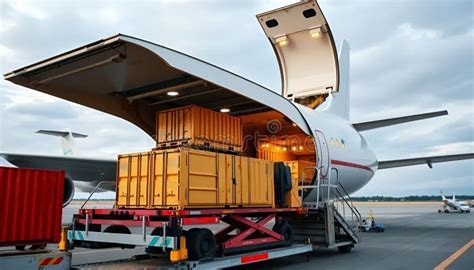
El Dorado’s traffic figures consistently demonstrate its critical role in regional and international aviation. While 2024 saw 45,802,360 passengers and 809,021 metric tons of cargo with 360,589 aircraft operations, historical data shows a steady growth trajectory leading up to these numbers.
Annual Passenger Traffic (Selected Years):
- 2012: 22,525,873
- 2015: 30,566,473
- 2018 (approx.): ~32,700,000 (based on domestic busiest routes data and typical international ratios)
- 2023 (approx.): ~39,000,000 (inferred from growth trends and 2024 data)
Annual Cargo Tonnage (Selected Years):
- 2012: 637,153 TM
- 2015: 769,823 TM
- 2023 (approx.): ~770,000 TM (inferred)
Busiest International Routes (2022 Data)
- Madrid, Spain: 1,095,936 passengers
- Panama City, Panama: 783,763 passengers
- Miami, United States: 782,037 passengers
- Lima, Peru: 655,537 passengers
- Santiago de Chile: 631,236 passengers
Busiest Domestic Routes (2018 Data)
- Medellín (JMC & EOH): 3,956,006 passengers (primarily JMC)
- Cartagena: 2,947,551 passengers
- Cali: 2,735,432 passengers
- Barranquilla: 1,756,938 passengers
- Santa Marta: 1,526,802 passengers
Accidents and Incidents
Like any major airport with high traffic volume over many decades, El Dorado has experienced several accidents and incidents. These events, while tragic, have often led to improvements in safety protocols and air traffic management.
- April 19, 1960: A Lloyd Aéreo Colombiano Curtiss C-46 Commando crashed on approach due to loss of height and speed. Six crew and 31 of 51 passengers perished.
- December 18, 1966: An Aerocondo Lockheed L-1649 Starliner crashed short of the runway, resulting in 17 fatalities (4 crew, 13 passengers) out of 59 on board.
- August 27, 1973: An Aerocondor Lockheed L-188 Electra flew into a mountain southeast of BOG after failing to follow prescribed departure procedures. All 42 occupants (6 crew, 36 passengers) died.
- November 27, 1989: Avianca Flight 203, a Boeing 727 en route to Cali, was destroyed by a bomb over Soacha. All 107 passengers and crew, plus three people on the ground, were killed. This was an act of terrorism by Pablo Escobar targeting presidential candidate César Gaviria Trujillo (who was not on board).
- January 25, 1990: Avianca Flight 052, a Boeing 707 flying from Bogotá via Medellín to New York JFK, crashed on Long Island after running out of fuel.
- April 20, 1998: Air France Flight 422, operated by TAME, crashed into a mountain east of Bogotá shortly after takeoff for Quito. All 53 occupants (43 passengers, 10 crew) died.
- July 7, 2008: A Kalitta Air Boeing 747-200F (operating as Centurion Air Cargo Flight 164) crashed near Madrid, Colombia, after reporting an engine fire shortly after takeoff. The crew of eight survived, but three people on the ground were killed when an engine hit their farmhouse.
- November 10, 2024: An Aerosucre Boeing 727-200F overran the runway on takeoff, struck a localizer antenna damaging its landing gear and left wing. The aircraft burned fuel for an hour before landing safely back at Bogotá with no injuries reported.
Accolades and Global Recognition
El Dorado International Airport’s commitment to excellence has been consistently recognized by prestigious international aviation bodies. In 2016 and 2017, it was named the Best Airport in South America by the World Airport Awards. Skytrax, a leading air transport rating organization, awarded El Dorado a coveted four-star rating and included it in the Top 50 of the “World’s Top 100 Airports” list in both those years. Furthermore, its staff was lauded as the Best Airport Staff in South America by the World Airport Awards in 2017. In 2022, Skytrax again recognized it as the best airport in South America and the best overall in Latin America. By 2023, it was ranked 35th in Skytrax’s World’s Top 100 Airports and was also noted as the 2nd cleanest airport in Latin America. These accolades reflect the airport’s dedication to providing a high-quality passenger experience, operational efficiency, and modern infrastructure.
El Dorado in the Limelight
Reflecting its status as a major international gateway and a critical point for security, El Dorado International Airport has been featured in the National Geographic HD television channel’s documentary series ‘Airport Security: Colombia.’ The show provides viewers with a behind-the-scenes look at the daily operations and challenges faced by security personnel at this bustling hub.

In conclusion, El Dorado International Airport is more than just Colombia’s primary airport; it is a dynamic and evolving entity, a symbol of national pride, and a crucial engine for economic growth. Its continuous modernization, expanding network, and commitment to service excellence ensure its position as The Hub of the Americas and a leading airport on the world stage for years to come.