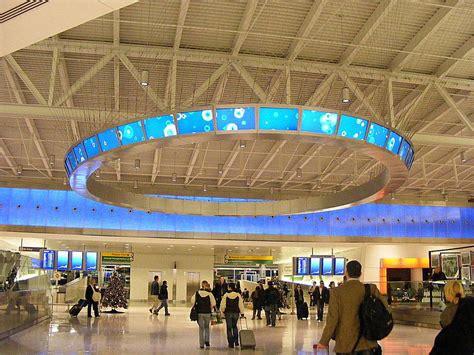
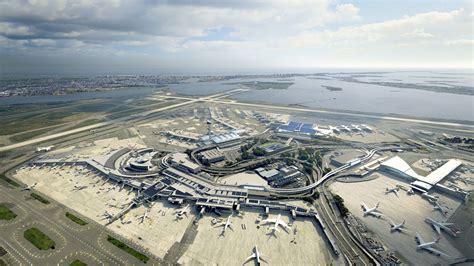
John F. Kennedy International Airport (JFK) stands as an iconic symbol of American aviation and a critical infrastructure hub in the global air transportation network. Situated in Jamaica, Queens, just 16 miles southeast of Midtown Manhattan, JFK spans a remarkable 5,200 acres and is the busiest international air gateway in North America. As a central node for American Airlines, Delta Air Lines, and JetBlue, JFK handled more than 63 million passengers and nearly half a million aircraft operations in 2024 alone. This monumental airport serves not just as a logistical engine but also as a powerful reflection of New York City’s international stature.
A Legacy Built on Vision and Need
The roots of JFK Airport date back to 1943, when construction began on the former Idlewild Golf Course to relieve the congestion at LaGuardia Field. Initially funded with $60 million for a 1,000-acre facility, the airport was leased to the Port Authority of New York and New Jersey in 1947. Though originally named the New York International Airport, Anderson Field, it quickly became popularly known as Idlewild.
On July 1, 1948, the airport officially opened, with dignitaries like President Harry S. Truman and Governor Thomas E. Dewey attending the inaugural ceremony. It began with a single terminal of 79,280 square feet, later expanded to over 215,000 square feet by 1949, and included six runways — though two were never used.
In a bold move toward modernization, JFK hosted the arrival of its first jet aircraft, an Avro Jetliner, in 1950, followed by a Sud Aviation Caravelle in 1957. These events marked the dawn of the jet age and positioned JFK at the forefront of international aviation.
Evolution Through Terminals: From Uniformity to Identity
By the mid-1950s, the airport abandoned its original vision of a single terminal building in favor of airline-specific terminals, creating a unique competitive environment. This terminal-centric strategy ushered in a wave of architectural innovation and logistical specialization:
- The International Arrivals Building (IAB) opened in 1957 and served as the main international terminal until its demolition in 2000.
- Terminal 1, now home to Air France, Lufthansa, and others, was rebuilt in 1998.
- Terminal 8, operated by American Airlines, originally opened in 1960 and was completely rebuilt by 2007.
- The iconic Worldport (Terminal 3), once Pan Am’s base, debuted in 1960 but was demolished in 2013.
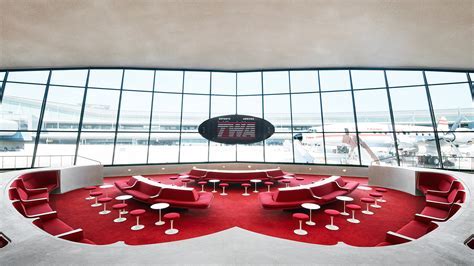
- The TWA Flight Center, a masterpiece of modernist architecture by Eero Saarinen, opened in 1962 and has since been reborn as the TWA Hotel.
The airport was renamed John F. Kennedy International Airport on December 24, 1963, following the assassination of President Kennedy, forever linking the site with the legacy of American leadership.
The Jet Age and Supersonic Glory
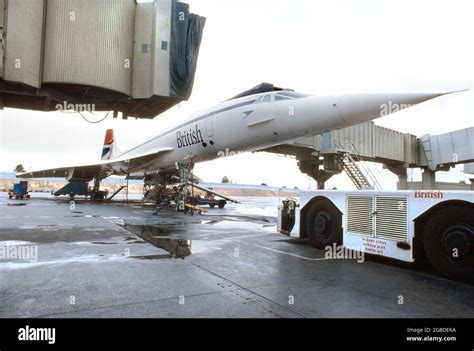
JFK thrived during the golden age of aviation, handling 403,981 aircraft operations by 1967, becoming the second-busiest airport in the nation. The airport proudly hosted Concorde flights starting in 1977, making it a launchpad for supersonic travel to and from Europe until Concorde’s retirement in 2003. The supersonic roar of these aircraft over Queens remains etched in the memories of New Yorkers.
Infrastructure That Moves Millions
Access to JFK has continually evolved to meet the demands of ever-growing passenger volumes. The AirTrain JFK, which launched in 2003, revolutionized ground access, connecting all terminals to the New York City Subway and Long Island Rail Road (LIRR) via stations at Jamaica and Howard Beach. For road travel, the Van Wyck Expressway (I-678) and JFK Expressway provide direct vehicular access, with facilities supporting over 17,000 parked vehicles.
Modern conveniences include a travel plaza offering a food court, fueling station, and 12 Tesla Superchargers. While taxis and rideshare vehicles now incur an access fee, the system remains efficient and flexible.
Terminal by Terminal: The Core of JFK’s Functionality
Terminal 1
Built by a consortium of Air France, Japan Airlines, Korean Air, and Lufthansa, Terminal 1 opened in 1998 and serves a wide range of international carriers from SkyTeam, Star Alliance, and Oneworld. Designed by William Nicholas Bodouva + Associates, it features 11 gates, A380 compatibility, and serves as a critical international nexus.
Terminal 4
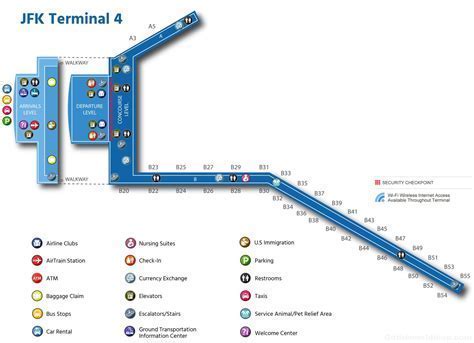
As the busiest terminal, Terminal 4 replaced the IAB in 2001 and houses 48 gates across Concourses A and B. Operated by the Schiphol Group, it is Delta’s primary international hub and underwent extensive expansions including mechanized baggage screening (2013) and Delta Sky Club and Centurion Lounge installations. In 2024, the terminal introduced Arts & Culture exhibits and hologram installations, enriching the passenger experience.
Terminal 5
JetBlue’s signature terminal, opened in 2008, features 30 gates and incorporates the historic TWA Flight Center. It includes an International Arrivals Concourse (2014), a dedicated Aer Lingus lounge, and a stylish rooftop lounge introduced in 2015. It serves as a model for blending retro charm with modern efficiency.
Terminal 7
Originally constructed for BOAC (now British Airways) in 1970, Terminal 7 includes 12 gates and had been operated by British Airways until 2022. Now under JFK Millennium Partners, it is scheduled for demolition and will be replaced by the new Terminal 6.
Terminal 8
Home to American Airlines, Terminal 8 features 31 gates and underwent an expansive redevelopment between 2020 and 2022. It now accommodates a host of major international carriers including British Airways, Iberia, Japan Airlines, and Alaska Airlines. Designed by DMJM Aviation, it serves as a major Oneworld alliance hub.
Security, Scandals, and Heists
JFK’s prominence has not shielded it from infamy. Two of the most audacious airport heists in American history occurred on its grounds:
- The Air France robbery in 1967, where $420,000 was stolen from a cargo terminal by associates of Henry Hill.
- The Lufthansa heist of 1978, in which $5.875 million vanished in a crime masterminded by James Burke. Despite exhaustive investigations, only Louis Werner was convicted and the stolen cash was never recovered.
These events later inspired Hollywood adaptations, including scenes in the classic film Goodfellas.
Reinventing the Future: JFK’s Mega Reconstruction
Under the JFK Vision Plan, the airport is undergoing a $7–10 billion master redevelopment to handle up to 100 million annual passengers by 2050. Projects include:
- A brand-new Terminal 1 ($9.5 billion) set to open in phases from 2026 to 2030, featuring 23 new gates.
- A $3.8 billion expansion of Terminal 4, which completed a scaled-down version in 2023, with roadway enhancements expected by 2025.
- A completely rebuilt Terminal 6, destined to replace Terminal 7 and further integrate JetBlue and other carriers.
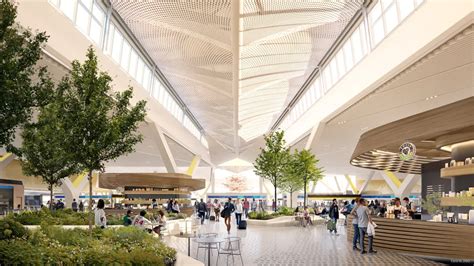
These projects not only improve efficiency and capacity but also aim to elevate the passenger experience with cutting-edge design, smart technology, and sustainability standards.
JFK’s Cultural and Operational Impact
As a portal to over 100 international destinations, JFK plays a pivotal role in the economic and cultural fabric of New York City. It employs tens of thousands of workers and acts as a global meeting point for travelers, diplomats, business leaders, and tourists. Its runways accommodate everything from regional jets to the Airbus A380, with the 14,511-foot 13R/31L runway being among the longest in the world.
Notably, JFK is home to the longest scheduled commercial flight by Singapore Airlines (SQ23/SQ24) to Singapore, underscoring its role as a nexus between East and West.
Conclusion
John F. Kennedy International Airport is more than just a transit point — it is a living chronicle of aviation history, a symbol of modernity, and a gateway to global opportunity. As it transforms for the 21st century, JFK remains a dynamic testament to the resilience, innovation, and ambition that define both New York City and the world of international air travel.