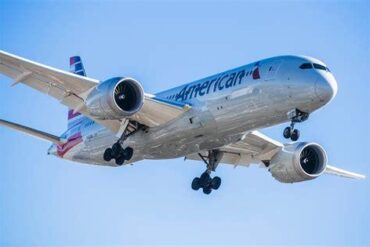
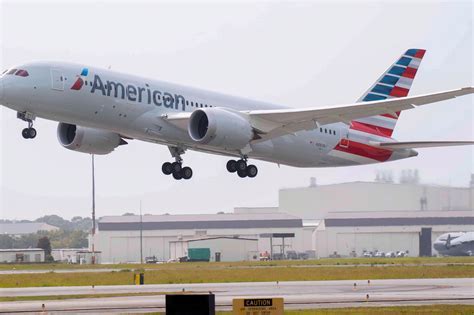
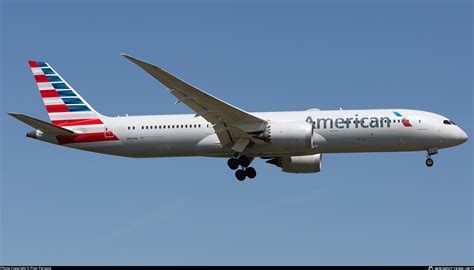
American Airlines’ newest Boeing 787-9 Dreamliners, once celebrated as a leap forward in passenger experience and fuel efficiency, are now facing mounting technical challenges that are impacting both operations and customer satisfaction. The latest setback centers on wiring defects in cabin lighting systems, which have led to groundings, delayed flights, and a ripple effect across the airline’s global network.
Wiring Defect Grounds Multiple 787-9s
In recent weeks, American Airlines has been forced to pull several Boeing 787-9 aircraft from service after identifying a defect in the wire harnesses responsible for powering and controlling cabin lighting systems. While not classified as a direct safety hazard, this issue has disrupted aircraft availability and forced the carrier to shuffle schedules. One of the first affected planes, registered as N842A, was grounded earlier this month, followed by additional airframes undergoing inspection and maintenance.
This defect adds to the airline’s growing list of operational headaches tied to the 787-9 fleet. Another Dreamliner, N846AN, previously faced wiring and door seal problems, illustrating a worrying trend of multiple overlapping technical challenges within American’s newest wide-body jets.
Why These Aircraft Matter to American Airlines
The Boeing 787-9 is a cornerstone of American Airlines’ international and transcontinental strategy. Positioned between the smaller 787-8 and the larger Boeing 777-200ER, the -9 variant is deployed on critical routes such as Chicago–Los Angeles, and long-haul destinations in Europe and Asia. With a longer range, greater capacity, and improved cabin design, these jets represent the airline’s effort to provide a competitive premium product.
When these aircraft are grounded, American is forced to substitute them with older models like the 787-8 or 777-200ER, diluting the premium experience that passengers expect. For business travelers accustomed to refreshed premium cabins, quieter interiors, and enhanced lighting, this substitution is a noticeable downgrade. Social media has already seen complaints from travelers frustrated by last-minute swaps, reroutes, and rebookings.
A Pattern of Recurring Reliability Issues
The technical troubles now hitting American’s Dreamliners are not isolated events. The Boeing 787 program, while revolutionary in design and efficiency, has been plagued by recurring reliability challenges since its inception. In 2013, the model faced a global grounding due to lithium-ion battery fires, an incident that shook passenger confidence. In subsequent years, airlines have reported cracks in composite fuselages, engine durability issues, and supplier-related quality control failures.
The 787-9 variant, which entered service in 2014, was specifically designed to extend range and seating capacity. However, its production has been frequently interrupted by assembly issues at Spirit AeroSystems and quality inconsistencies at Boeing’s South Carolina facility. These disruptions have not only slowed deliveries but also raised doubts about the program’s manufacturing resilience.
Earlier this year, another American 787, a 787-8 registered as N819AN, made headlines when it was forced to return to Amsterdam due to hydraulic problems, landing at a higher-than-normal speed. This incident further highlighted the fleet’s growing maintenance demands and the operational challenges these aircraft present to airlines worldwide.
Impact on Flight Schedules and Passenger Experience
The operational fallout from the 787-9 groundings has been significant. Flight-tracking data shows an uptick in last-minute aircraft swaps and reroutes, particularly on long-haul services from Chicago O’Hare, Los Angeles, and Dallas-Fort Worth. These disruptions are hitting some of the airline’s most lucrative routes, leading to cascading effects across the network.
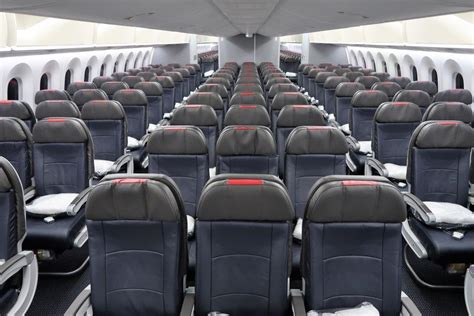
Passengers booked on these aircraft are expressing frustration over last-minute changes. Many had specifically chosen the 787-9 for its updated premium cabins, which include larger windows, quieter interiors, and lie-flat business-class seating. When rebooked onto older 777-200ERs or 787-8s, these travelers lose access to the newest onboard amenities, creating a clear gap in the experience.
On the operational side, American’s maintenance teams are under intense pressure. These groundings require accelerated inspections and repairs, further complicating already-tight maintenance schedules. The airline, which currently operates 59 Dreamliners (37 787-8s and 22 787-9s), is now facing a potential slowdown in its fleet expansion and deployment strategy, with some aircraft awaiting delivery modifications.
Strain on Fleet Planning and Network Strategy
This latest grounding could not have come at a worse time for American Airlines. With transatlantic and transpacific travel demand rising, the need for reliable, fuel-efficient wide-body aircraft is more critical than ever. The 787-9, in particular, is a key enabler of American’s growth strategy, allowing it to operate longer routes with better fuel economics and enhanced passenger comfort.
Now, the airline must reassess its fleet allocations, possibly delaying the introduction of Dreamliners to new markets or cutting capacity on high-demand routes. These decisions carry revenue implications, especially as competitors like Delta and United continue to bolster their international networks with next-generation aircraft.
Industry-Wide Implications for the Boeing 787 Program
While the current crisis directly impacts American Airlines, the broader implications extend across the aviation industry. Many carriers operate Boeing 787s as the backbone of their long-haul fleets. Any hint of recurring design or production flaws could erode airline confidence in the program and push operators to diversify their fleet choices.
Boeing, already grappling with reputational challenges linked to the 737 MAX and other production delays, faces renewed scrutiny over its ability to deliver consistent, defect-free aircraft. Airlines will be closely monitoring the manufacturer’s response to these defects, as well as any FAA-mandated inspections or service bulletins that may emerge from the ongoing investigations.
What Comes Next for American Airlines?
The timeline for resolving these wiring defects remains unclear. Industry insiders suggest that inspections and repairs could stretch on for weeks, if not months, depending on the scale of the issue across the fleet. In the meantime, passengers can expect continued last-minute changes to aircraft types, particularly on routes traditionally operated by the 787-9.
To mitigate the fallout, American Airlines may need to increase its reliance on 777-200ERs and consider short-term wet-leasing agreements to maintain schedule integrity. However, these are temporary fixes that do little to address the deeper reliability concerns surrounding the Dreamliner program.
Conclusion: A Growing Challenge for American and Boeing
The grounding of American Airlines’ flagship Boeing 787-9s underscores a troubling reality: the Dreamliner program, despite its innovations, continues to face persistent technical vulnerabilities. For American, this translates to disrupted schedules, dissatisfied premium passengers, and an added burden on its maintenance operations. For Boeing, it adds yet another layer of scrutiny to a program that was once touted as a symbol of the company’s engineering excellence.
As demand for international travel grows, the pressure is on for both American Airlines and Boeing to resolve these issues swiftly. Until then, travelers booking premium routes on American’s Dreamliners should be prepared for possible last-minute changes—and a reminder that even the most advanced aircraft are not immune to old-fashioned technical trouble.