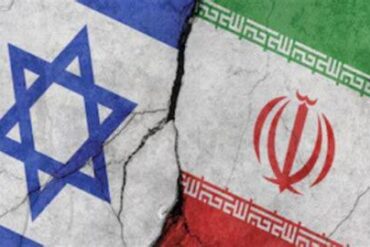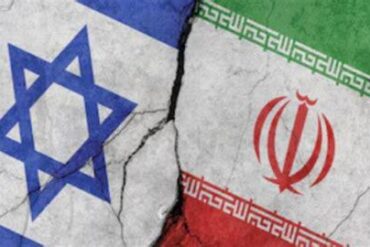
The United Kingdom has successfully conducted an urgent evacuation of 63 British nationals and their immediate family members from Israel, as tensions in the region spiral following a dangerous escalation of hostilities between Israel and Iran.
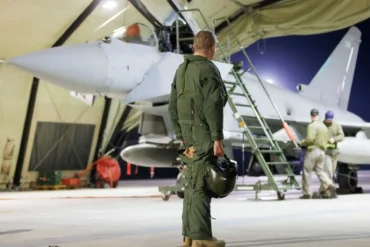
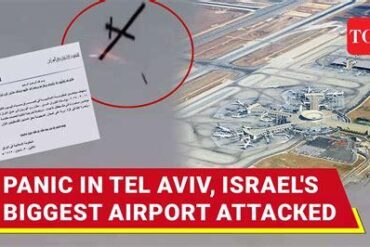
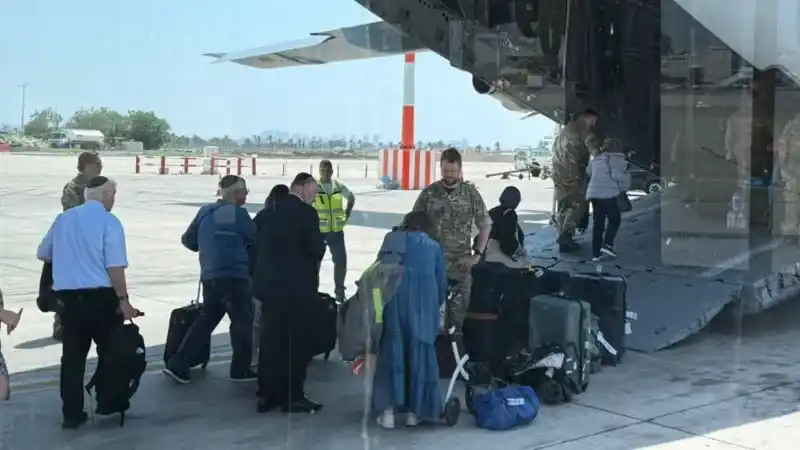
The Royal Air Force (RAF) deployed an Airbus A400 Atlas, which departed from Tel Aviv’s Ben Gurion Airport on Monday afternoon, safely transporting vulnerable British citizens to Cyprus. From there, passengers are expected to be flown back to the UK in the coming hours.
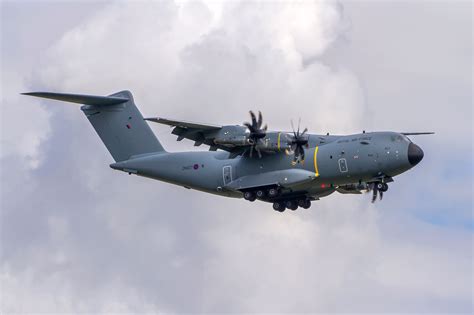
British Nationals Flee Growing Danger in Israel
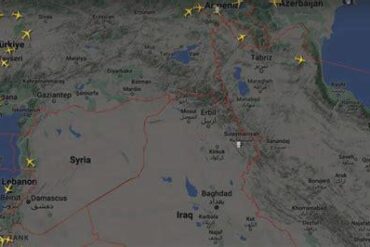
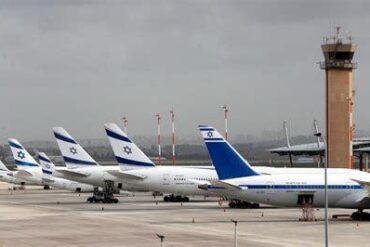
The evacuation comes amid intensifying exchanges of fire between Israel and Iran. In recent weeks, Israel has carried out targeted attacks on Iranian nuclear facilities, prompting a swift and forceful missile response from Tehran. The aftermath has left thousands of foreign nationals stranded in Israel, with the country’s airspace shut down, making commercial travel virtually impossible.
Among those evacuated was the UK’s Chief Rabbi, Sir Ephraim Mirvis, who boarded the RAF flight from Tel Aviv along with other eligible British citizens. Their extraction marks the first major organized evacuation of British nationals since the latest conflict erupted.
Foreign Secretary David Lammy addressed the British Parliament on Monday, confirming the operation and reiterating calls for de-escalation. “My message to Tehran is clear: take the off-ramp, dial this thing down, and negotiate with the United States seriously and immediately,” Lammy emphasized. “We are prepared to defend our personnel, our assets, and those of our allies and partners.”
Iran’s Defiance and Escalating Regional Risks
The situation remains volatile following stark warnings from both sides. Iran’s Supreme Leader, Ayatollah Ali Khamenei, declared that Iran “will not accept aggression from anyone under any circumstances,” signaling Tehran’s intent to resist foreign intervention and maintain its regional posture.
As missile exchanges and military operations continue, the threat to foreign nationals, including Britons, has increased significantly. The closure of Israeli airspace has effectively trapped thousands of foreign nationals, prompting growing criticism over the UK government’s evacuation efforts.
Mounting Criticism Over UK’s Response
Many British citizens still in Israel have voiced frustration over the UK’s handling of the crisis. One such individual, Gabriella Somerville, a 58-year-old British citizen stranded in Israel, described the evacuation situation as “really difficult.”
“We’ve been here 10 days now and most other countries have had secure coaches to get to the border with Egypt, Oman, or Jordan,” Somerville told the PA news agency. “Yet we were told by the Foreign Office to make our own way to the borders. I really feel for the people out here now. It’s really difficult. We’ve been going down to shelters for 10 days, living out of packed suitcases but with no communication.”
Stranded Britons: 4,000 Registered, 1,000 Seeking Evacuation
Downing Street has acknowledged that approximately 4,000 British nationals have registered their presence in Israel or the Occupied Palestinian Territories with the Foreign, Commonwealth & Development Office (FCDO). Of those, around 1,000 have requested evacuation assistance.
The Foreign Office has indicated that further evacuation flights will be arranged based on demand and the prevailing security situation. British nationals remaining in Israel are being urged to register their whereabouts with the UK government to receive updates and potential evacuation options.
Broader Regional Impact: Qatar on High Alert
The repercussions of the Israel-Iran conflict have extended beyond Israel’s borders. On Monday evening, British nationals in Qatar were advised to shelter in place amid fears of an imminent attack. That warning preceded Iran’s missile strike on the US Al-Udeid Air Base near Doha, a critical American military installation in the Gulf region.
The situation in Qatar unfolded rapidly, with airspace temporarily closed and flights grounded. A BBC News employee at Hamad International Airport in Doha reported boarding a flight to Bangladesh, only for the plane to be grounded, passengers removed, and all operations halted.
Fortunately, Qatari authorities have confirmed that all UK military personnel stationed in Qatar were accounted for, with no reported injuries or casualties resulting from the missile attack. The airspace closure has since been lifted, but the incident underscores the growing reach of the conflict.
A Delicate Diplomatic Balancing Act
The RAF evacuation underscores the complexity of the UK’s position in the Middle East crisis. While the UK maintains strong diplomatic ties with Israel and strategic military partnerships with the United States, officials are treading carefully to avoid exacerbating tensions with Iran.
Foreign Secretary Lammy’s call for Iran to return to negotiations reflects broader Western efforts to prevent a full-scale regional war. Yet, with both sides showing little willingness to back down, the potential for miscalculation remains dangerously high.
Looking Ahead: Continued Evacuations and Uncertain Future
The UK government has signaled readiness to conduct additional evacuation flights if necessary, though such operations hinge on the security landscape in Israel and neighboring countries. British nationals who remain in the region are being encouraged to monitor official government channels closely and prepare for rapidly changing circumstances.
With tensions at a boiling point, the safe return of British citizens from Israel marks only a temporary reprieve. The situation remains fluid, with further escalations, diplomatic overtures, and military posturing expected in the coming days.
As regional actors grapple with the fallout, the plight of stranded civilians—and the challenge of securing their safe passage—continues to weigh heavily on governments and families alike.