The United States has initiated emergency departure flights from Israel, marking a significant moment in a rapidly escalating conflict with Iran. As tensions rise, American citizens find themselves in an increasingly precarious situation, urgently seeking safe passage out of the region. The world watches as a local dispute transforms into a global crisis, igniting fears and uncertainties that ripple across international travel and security. This article delves into the current state of affairs, examining the implications of U.S. military action against Iranian nuclear facilities and the subsequent impact on travel and tourism.
The Genesis of a Crisis
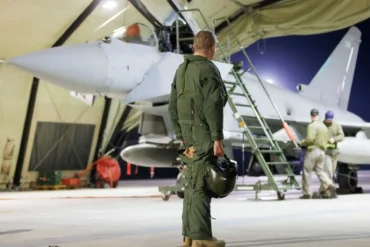
What began as a regional skirmish has escalated into a profound international dilemma, triggering a series of military actions that many did not foresee. The U.S. military launched precision strikes against key Iranian nuclear sites, specifically targeting Fordow, Natanz, and Isfahan. This unprecedented move signifies a historic escalation, pushing the Middle East further into chaos. President Trump described these strikes as a “spectacular military success,” while Israeli officials hailed them as a pivotal moment in their fight against Iranian aggression. However, for civilians and travelers caught in the crossfire, the ramifications are far from celebratory.
As the conflict intensifies, the skies over the Middle East have turned hostile, causing a cascade of travel disruptions. Airports, embassies, and travel hubs are filled with anxious travelers and families separated by borders that suddenly feel insurmountable. The urgency to evacuate is palpable, and the question looms large: how far will this conflict escalate?
U.S. Strikes Spark Global Travel Uncertainty
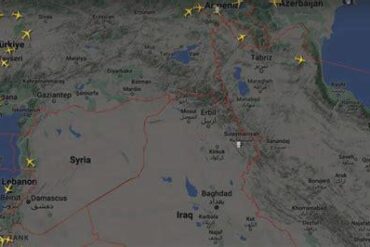
The recent airstrikes against Iran’s nuclear infrastructure have sent shockwaves throughout the travel industry. With Iran vowing retaliation and threatening U.S. military bases in the region, the potential for further escalation is real. The airspace above Iran, Iraq, Syria, and Israel is becoming increasingly restricted, forcing airlines to alter flight paths significantly. Travelers are now facing longer journeys, increased costs, and a greater likelihood of cancellations.
The Strait of Hormuz, a critical maritime route for global oil shipping, is once again under threat. Iran has hinted at possible disruptions to international shipping traffic, raising alarms among tanker owners and oil markets alike. Any disruption in this vital corridor could lead to soaring fuel prices, impacting airfares and cargo rates globally. Cruise lines are already altering or suspending itineraries that traverse the Gulf, leaving passengers and operators scrambling to adapt.
Civil Aviation on High Alert
Global airlines are under immense pressure as they reassess flight paths over the Gulf and adjacent regions. Routes connecting Europe to South and Southeast Asia are being rerouted through narrow corridors over Turkey and Egypt, creating congested airspace that strains air traffic control systems. The European Union Aviation Safety Agency (EASA) and the Federal Aviation Administration (FAA) have issued advisories urging extreme caution or complete avoidance of airspace surrounding Iran and Israel.
Countries not directly involved in the conflict, including India, Pakistan, and Oman, are now witnessing rerouted air traffic overhead, leading to scheduling disruptions and operational challenges. The ramifications extend beyond just immediate safety concerns; they threaten to reshape the landscape of global aviation.
Emergency Departure Flights: A Critical Response
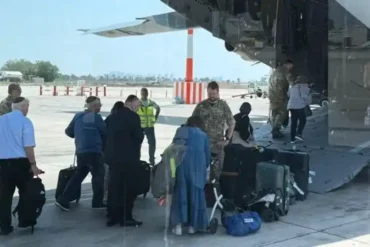
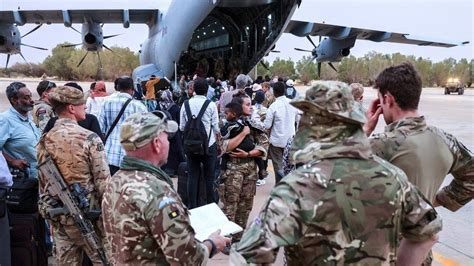
In light of these developments, the United States has launched its first wave of assisted departure flights from Israel, signifying a critical intervention in a time of crisis. On Saturday, two government-coordinated flights departed from Tel Aviv’s Ben Gurion Airport, carrying approximately 70 American citizens and lawful permanent residents along with their immediate family members. This initiative underscores the urgency of the situation, as commercial airlines have largely suspended operations to and from Israel, leaving thousands stranded.
For those still in Israel, the challenges are immense. Flight availability has plummeted, costs have skyrocketed, and routes are in constant flux due to ongoing military operations. The U.S. government has prioritized assistance for its citizens, requiring eligible travelers to submit a crisis intake form through the State Department. As thousands await assistance or attempt to flee through land borders to Jordan or Cyprus, the situation remains dire.
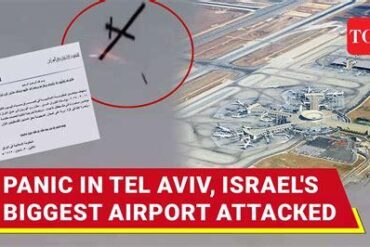
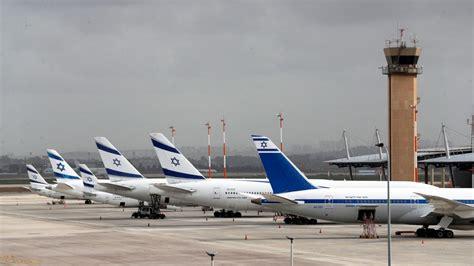
Ben Gurion Airport, while technically operational under military control, has seen most commercial activity come to a halt. Major airlines have canceled flights through the end of June, while smaller carriers restrict their operations to emergency missions. The once-bustling terminals are now eerily quiet, filled with uncertainty and fear.
Global Ripple Effects on Travel
The impact of this evacuation effort extends beyond the immediate vicinity. The conflict has disrupted long-haul travel routes across Asia, Europe, and the Middle East, with airlines grappling to adapt. Many flights are being rerouted to avoid high-risk airspace, resulting in longer travel times and increased fuel consumption. Consequently, operational costs are rising, passenger frustration is mounting, and delays are becoming commonplace.
Destinations far removed from the conflict zone, such as India, Thailand, and Australia, are experiencing longer flight durations as airlines navigate detours around Iran, Iraq, Syria, and Israel. Meanwhile, tour operators report a surge in cancellations and refund requests from travelers uneasy about potential escalations, while claims for travel insurance are increasing as more passengers recognize the inherent risks of their planned journeys.
Heightened Travel Warnings and Alerts
In response to the escalating situation, the U.S. State Department has issued its highest-level advisory—Level 4: Do Not Travel—for Israel, Iran, and parts of the West Bank. These alerts highlight the dangers posed by military activities and the heightened risk of terrorist attacks, rendering the region unsafe for non-essential travel. American citizens currently in affected areas are strongly urged to depart immediately, whether through commercial carriers or government-assisted flights.
Those opting to remain in the region have been cautioned that emergency assistance may be limited or unavailable if conditions deteriorate further. The Smart Traveler Enrollment Program (STEP) is now the primary means by which the U.S. government can locate and communicate with its citizens abroad. Travelers in the region are advised to enroll without delay to ensure their safety and access to vital updates.
Implications for the Tourism Industry
The ramifications of this crisis extend deeply into the tourism industry, presenting a significant challenge for airlines and travel operators alike. Balancing safety with service demands is now more crucial than ever as routes collapse and customer needs become urgent. Tour operators are compelled to rework itineraries on a daily basis, while hotels in neighboring regions, such as Jordan, Turkey, and Cyprus, brace for an influx of displaced travelers seeking refuge.
Insurance companies are reevaluating war-risk clauses in light of the changing landscape, and governments are coordinating emergency visas and temporary accommodations for those evacuated. The logistics of managing this situation are complex and unfolding in real-time, underscoring the intricate relationship between geopolitics and global travel.
As the peak summer travel season approaches, the stakes are even higher. Travelers worldwide are closely monitoring the headlines, unsure whether to book new trips or cancel existing plans. Should the conflict spread or intensify, the ramifications for the global aviation and tourism economy could be profound and lasting.
Recommendations for Travelers
For individuals currently in Israel or the West Bank, the advice is clear: leave immediately via any available route. Those contemplating travel to the Middle East or nearby regions should stay informed by checking current advisories and airline notices. If you have existing travel arrangements that may be affected, it is imperative to contact your airline or tour provider to discuss options. Additionally, enrolling in STEP and remaining vigilant about updates from the U.S. State Department can provide essential support during this turbulent time.
Conclusion
The launch of U.S.-assisted departure flights from Israel serves as a poignant reminder of the fragility of international stability. The travel industry now finds itself operating under conditions reminiscent of wartime, with passengers caught in the middle of a conflict that has escalated rapidly. As airlines adjust their routes, airports transition to emergency operations, and embassies work tirelessly to assist citizens abroad, travelers must remain adaptable and informed. The world has indeed changed overnight, and as this conflict unfolds, the resilience of global tourism is being tested like never before.