As tensions escalate between Israel and Iran, major US airlines including United, American, and Delta have announced the suspension of flights to several key summer destinations in the Middle East. This decision has profound implications for travelers looking to visit popular hotspots such as the UAE, Qatar, and Tel Aviv, which are now facing significant disruptions due to the ongoing conflict. The recent military activities and airspace closures have compelled airlines to adjust their schedules, leaving many travelers in uncertainty as they plan their summer getaways.
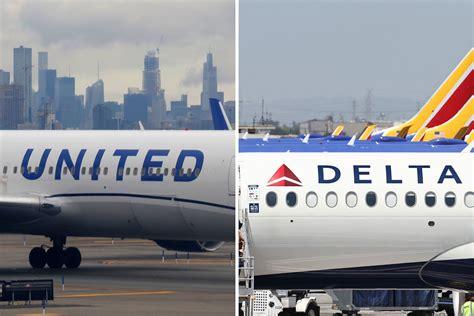
The conflict’s impact is particularly evident in the suspension of United Airlines’ service between Newark Liberty International Airport and Dubai. This route was the airline’s sole connection to the UAE, and the suspension has left travelers scrambling for alternatives, as no other direct flights are available from the US to Dubai. The airline has not provided a timeline for when services may resume, attributing the decision to the intensifying regional tensions.
Similarly, American Airlines has halted its flights from Philadelphia International Airport to Doha, Qatar. The last flight departed on the morning of June 22, resulting in a scramble among passengers seeking alternative travel options. As the situation remains unstable, travelers are strongly advised to stay in touch with the airline for updates regarding potential delays or cancellations.
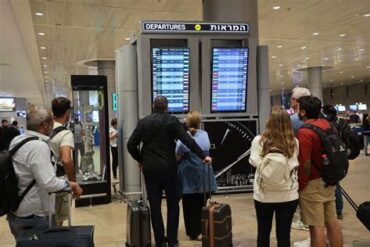
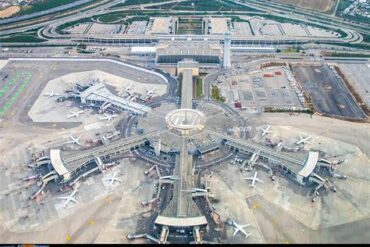
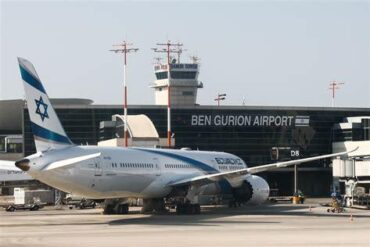
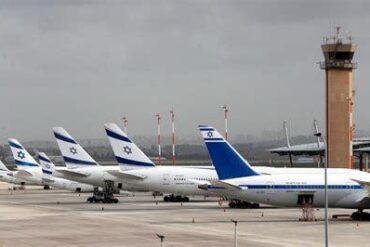
Another significant disruption comes from Delta Air Lines, which has suspended its flights between New York’s JFK Airport and Tel Aviv. With no immediate plans for resumption, this disruption raises concerns among travelers eager to reach Israel. The closure of Ben Gurion Airport, Israel’s primary international gateway, due to ongoing security issues exacerbates the challenges faced by travelers.
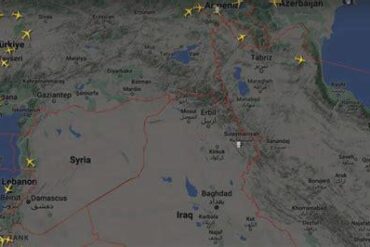
As the regional conflict continues to escalate, airspace closures further complicate matters. Recent retaliatory missile strikes from Iran have led to the closure of airspace over Israel, Iran, Jordan, and Iraq. The situation has forced numerous international airlines, including Emirates, Etihad Airways, and Lufthansa, to either cancel or reroute flights in an effort to avoid conflict zones. This proactive approach underscores the heightened risks associated with traveling to and from these regions at this time.
Compounding the issue, reports indicate that the U.S. government is closely monitoring the situation, with discussions about potential military action being considered. President Trump has reportedly demanded Iran’s unconditional surrender, indicating that the conflict could escalate further in the near future. In light of these developments, the U.S. Embassy in Jerusalem is taking precautions by arranging evacuations for American citizens, including the organization of cruise ships to transport travelers safely out of the region. The State Department has also elevated its travel advisory for Israel to Level 4, advising U.S. citizens against travel due to the ongoing conflict and civil unrest.
For those who had planned to visit Dubai, Doha, or Tel Aviv this summer, it is crucial to recheck itineraries and remain informed about the latest updates. The combination of airspace closures and rising military tensions has made international travel to and from the Middle East a complex and dangerous endeavor. Airlines are urging passengers to stay updated on their flight statuses and consider alternative routes if travel to the region is still a priority.
In light of the escalating tensions between Israel and Iran, the suspension of flights by major US airlines underscores the volatility of the situation. Travelers are encouraged to explore travel insurance options, as the rapidly evolving circumstances may lead to further cancellations or changes in flight schedules. Flexibility and preparedness will be essential for anyone still hoping to visit these once-popular summer hotspots.

As the world watches the developments unfold, it remains uncertain when normalcy will return to air travel in the region. The impact of these suspensions is felt not only by travelers but also by the tourism industries in affected areas, which rely heavily on visitors during the summer months. As safety concerns mount, it is imperative for travelers to prioritize their well-being and stay informed on the situation as it progresses.