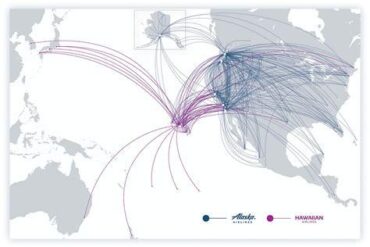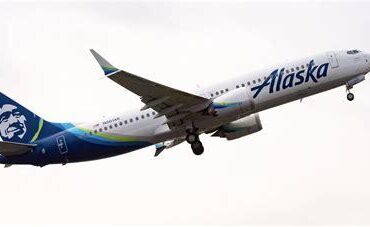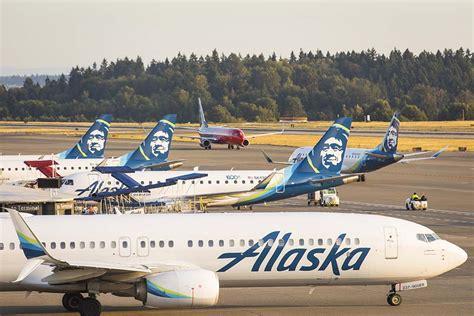
Alaska Airlines’ recent move to cut 14 daily flights through the end of July might appear as a localized issue tied to its regional affiliate, Horizon Air. But for travelers eyeing the islands of Hawaii, this development could serve as a critical warning signal. As Alaska integrates Hawaiian Airlines into its broader operations, any turbulence on the mainland could ripple outward — potentially disrupting the once-stable pipeline that connects the U.S. West Coast with the Hawaiian archipelago.
Horizon Air’s Missing Jets: The First Domino
Horizon Air was expecting two new Embraer E175 jets in May — crucial additions meant to support high-frequency short-haul routes. These aircraft never arrived. Alaska Airlines rejected the deliveries due to a 10% import tariff on aircraft made in Brazil, the home of Embraer. Without them, Horizon began canceling 14 daily flights, particularly on popular, high-turnover routes such as Seattle to Spokane, Boise, and Sacramento.
These aren’t just throwaway connections. They form part of a finely tuned system that shuttles passengers into Alaska’s major hubs like Seattle-Tacoma International Airport, from which Hawaii-bound flights regularly depart. A reduction in these feeder services means fewer seamless transfers and higher vulnerability to delays — a domino effect that could degrade the entire passenger experience.
A System Under Financial Stress
Alaska’s network stress isn’t just operational — it’s deeply financial. The airline is wrestling with an array of cost pressures: sluggish domestic demand, rising fuel costs, labor obligations, and now, the mammoth task of integrating Hawaiian Airlines. The Hawaiian deal, while strategic, came at a price — both literal and figurative.
Alaska’s most recent earnings call offered no full-year guidance, a silence that rang louder than any forecast. It revealed an airline that, despite its public assurances, is operating under mounting economic tension. Hawaiian Airlines adds some appealing assets — such as widebody jets and global routes — but also burdens Alaska with aging aircraft, fierce island competition, and the massive challenge of system-wide synchronization.

Trade Policy as an Unexpected Obstacle
The 10% import tariff may seem like a minor footnote in a broader industry narrative, but its impact is proving to be disproportionately large. Aircraft acquisition is a long-term, capital-intensive endeavor. When tariffs distort cost assumptions, airlines like Alaska — especially via Horizon — are forced to defer or cancel deliveries. That delay cascades into route slashes and reduced flexibility.
Horizon Air had originally lined up eight more Embraer E175 jets, with options for thirteen additional aircraft. All of those are now in limbo. For travelers, this means not just fewer options in the Pacific Northwest, but greater systemic strain that could impact long-haul trips to places like Maui, Oahu, and the Big Island.
Legacy Equipment, Future Uncertainty
There’s another angle to consider: Hawaiian’s interisland fleet. The airline still operates Boeing 717s — aircraft that are over two decades old and were already due for retirement. But Alaska now inherits the challenge of replacing them. With new aircraft acquisitions becoming problematic and capital being stretched, the timeline for fleet renewal is hazy.
This raises an urgent question: Will the already outdated interisland service experience further degradation as Alaska struggles to balance its mainland and island commitments?
Disruptions That May Hit the Islands
Though Alaska insists that current disruptions are limited to Horizon’s regional operations, the airline industry operates on interconnected systems. If fewer passengers are arriving from Spokane or Boise into Seattle, and those connections feed Hawaii flights, a decrease in overall reliability is inevitable. Reduced feeder service increases the risk of missed connections, late departures, and fewer rebooking options.
Moreover, as Alaska moves forward with merging loyalty programs, labor agreements, and back-end systems with Hawaiian, any misstep could translate into booking confusion, seating inconsistencies, or limited award availability. Already, travelers are flagging issues with partner redemption options and shifting benefits on Alaska and Hawaiian credit cards.
Travelers Voice Growing Frustration
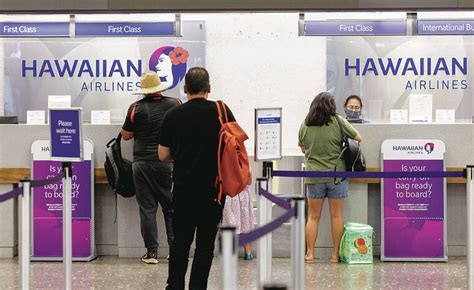
Hawaii-bound travelers are already feeling the pinch. Reader feedback from Beat of Hawaii underscores a growing dissatisfaction. Comments cite increased cancellations, fewer nonstop routes, and an overall sense that promised service expansions are actually contracting.
One reader voiced concern: “They talk about expanding, but we’re seeing more cancellations, fewer nonstops, and less flexibility. Doesn’t feel like an upgrade for Hawaii travelers.” Another noted the practical impact of route slashes: “If one more airline cuts Hawaii routes, we’re stuck paying triple just to visit our family.”
These aren’t just outlier opinions — they highlight the real-world consequences of what might otherwise be dismissed as back-office logistics. For travelers reliant on predictable, affordable, and efficient routes to Hawaii, Alaska’s current trajectory is deeply unsettling.
Integration Pressures Are Mounting
Bringing together two major airlines is never a small feat. But Alaska faces unique challenges. Unlike mega-carriers like Delta or United, Alaska operates with thinner margins and smaller buffer zones. It’s simultaneously trying to:
- Launch competitive new international routes.
- Integrate Hawaiian’s Dreamliner fleet.
- Merge disparate loyalty programs.
- Align labor contracts between two very different workforces.
- And still, somehow, grow its Pacific footprint.
Each of these initiatives is high-stakes on its own. Together, they represent an operational high-wire act. One unforeseen pressure — whether it be fuel volatility, further tariff hikes, or extreme weather — could throw the entire strategy off balance.
Hawaii Travel Outlook: What to Expect
If you’re planning to visit Hawaii this summer via Alaska Airlines or a Hawaiian partner, vigilance is essential. Travelers originating from smaller cities or less-trafficked West Coast airports should scrutinize itineraries for any signs of disruption. Regional links may be cut or adjusted with short notice, particularly if aircraft swaps become necessary.
Alaska could be tempted to reassign widebody aircraft — originally designated for Hawaiian routes — to backfill missing capacity elsewhere. If that happens, travelers might face downgraded aircraft, reduced cabin options, or even rebookings through entirely different routes. Keep an eye on your booking, and consider travel insurance that includes coverage for flight delays and last-minute changes.
A Critical Summer Test for Alaska’s Pacific Ambitions
This summer serves as a critical litmus test. Can Alaska Airlines truly execute its Pacific expansion strategy while under pressure? Can it absorb Hawaiian Airlines without compromising service reliability or customer trust? Can it maintain Hawaii as a premier, accessible destination for mainland travelers?
Each canceled flight and each delayed aircraft delivery isn’t just an operational hiccup — it’s a signal about the state of Alaska’s readiness. And for Hawaii, a destination uniquely dependent on air travel, even small tremors on the mainland can register as earthquakes.

Final Thoughts: Keep a Close Eye on the Skies
What’s unfolding with Alaska Airlines isn’t happening in a vacuum. It’s part of a much larger, evolving story about how airlines recover from pandemic shocks, adapt to global trade pressures, and merge legacy brands without breaking their operational backbone.
For Hawaii-bound travelers, it means that vigilance is more necessary than ever. It also means understanding that the future of island travel may depend on decisions being made far away — in Seattle boardrooms, federal trade offices, or even in the maintenance hangars of small regional airports.
As the Alaska–Hawaiian merger takes flight, the stakes couldn’t be higher — and the early signs demand serious attention.