Hawaii’s travel industry is on an exciting trajectory, projected to reach forty-nine billion dollars in economic value by the year 2035. This remarkable growth is fueled by a combination of rising global demand and a transformative shift towards sustainable, experience-driven tourism. As younger generations and international visitors increasingly seek authentic cultural encounters and eco-conscious travel options, Hawaii is responding with substantial investments in smart infrastructure, green tourism practices, and community-based experiences. This strategic evolution not only enhances visitor satisfaction but also protects the islands’ natural beauty and cultural heritage, ensuring long-term growth and resilience in one of the world’s most iconic destinations.
Hawaii’s tourism industry is entering a new era of expansion, with projections showing market growth from USD 31.3 billion in 2025 to USD 49 billion by 2035. This trajectory represents a strong compound annual growth rate (CAGR) of 4.6%, signaling consistent demand and strategic progress across the sector. The islands’ ability to balance cultural integrity, environmental protection, and traveler satisfaction will be key to sustaining this upward momentum.
Hawaii’s Tourist Appeal Widens Across Generations and Markets
Hawaii’s timeless beauty, tropical climate, and deep-rooted cultural heritage continue to captivate travelers around the world. Visitors now include a wider range of demographics than ever before, with families, couples, solo explorers, and wellness seekers all contributing to growing demand. Younger generations, including millennials and Gen Z, are increasingly drawn to the islands due to their preference for authentic, sustainable, and experience-driven travel. The state continues to receive strong inflows from domestic travelers across the mainland United States. However, international tourism—particularly from the Asia-Pacific region—remains an essential growth pillar. The diversity in visitor origins helps protect Hawaii’s tourism economy from localized downturns, currency shifts, and geopolitical uncertainties. This geographic mix brings both volume and stability, ensuring that Hawaii’s tourism industry remains resilient in the face of global economic fluctuations.

Infrastructure Development Supports Capacity and Convenience
To accommodate rising visitor numbers, Hawaii has invested heavily in modernizing its infrastructure. Major upgrades to airports across the islands aim to increase processing capacity, reduce wait times, and improve the overall passenger journey. Terminal expansions, runway enhancements, and streamlined immigration procedures are designed to support more frequent flight arrivals and improve the first and last impressions of travelers. On the ground, road improvement projects and expanded public transportation options are helping to reduce traffic congestion and improve access to popular destinations. The introduction of eco-friendly transit systems and shuttle services across island communities allows visitors to travel with minimal environmental impact. At the same time, the rollout of high-speed internet and mobile connectivity in remote areas enhances the digital experience for tourists who rely on smart devices for navigation, planning, and booking.
Sustainable Tourism Practices Shape New Experiences
Hawaii’s tourism sector is shifting from traditional resort-based models toward a more sustainable and diversified experience economy. Travelers increasingly seek meaningful engagement with local culture and nature, prompting businesses across the islands to adapt their offerings. Accommodations are adopting eco-friendly policies, minimizing plastic use, conserving water, and sourcing food locally to support sustainability goals. Tour companies are responding by offering immersive experiences that reflect the islands’ heritage. Visitors can now take part in guided forest walks led by native stewards, attend hula and ukulele workshops, and learn about ancient Hawaiian farming techniques through hands-on activities. The popularity of experiential tourism is growing, with travelers showing a clear preference for authenticity over luxury. Meanwhile, adventure tourism remains a consistent driver of demand. Activities like surfing, hiking volcanoes, ziplining through forests, and exploring marine life by snorkel or scuba dive continue to attract thrill-seekers. Hawaii is also seeing significant growth in wellness tourism, with more travelers arriving for yoga retreats, meditation camps, and holistic healing programs that take advantage of the islands’ serene natural settings.
Environmental and Cultural Protection Remain a Priority
As Hawaii’s visitor numbers grow, preserving the islands’ ecosystems and cultural identity has become a central focus. Authorities have introduced new policies to manage access to environmentally fragile areas such as coral reefs, volcanic parks, and protected forests. Limits on daily visitor numbers at certain attractions help reduce strain on natural resources and improve the quality of each traveler’s experience. Efforts to involve local communities in tourism planning are gaining traction. Community-based tourism allows residents to guide the development of new experiences while directly benefiting from the revenue generated. This approach strengthens local economies, empowers cultural education, and ensures that tourism does not disrupt traditional lifestyles. Conservation initiatives now receive direct funding from tourism programs, including fees collected at state parks and historic sites. These funds support reforestation projects, endangered species protection, and the restoration of sacred sites. Cultural preservation efforts, such as maintaining the Hawaiian language and traditional arts, receive similar backing, ensuring that the islands’ unique identity remains intact.
Technology Drives Smart Tourism Growth
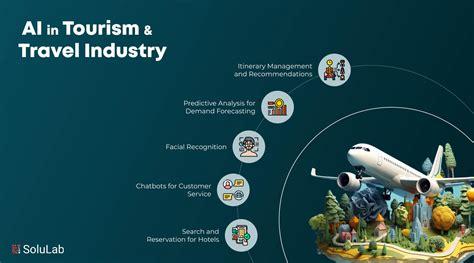
Hawaii is embracing technology to redefine how travelers explore and experience the islands. Online platforms allow visitors to book accommodations, activities, and transport in real time while providing detailed itineraries and recommendations. Hotels, airlines, and tour operators are offering contactless check-ins, mobile room keys, and AI-based concierge services to meet the needs of tech-savvy tourists. Marketing strategies are also evolving with the help of digital tools. Data analytics enable tourism boards to understand visitor preferences and target specific audiences more effectively. Campaigns highlight lesser-known destinations across the islands to ease pressure on overcrowded areas while promoting travel during non-peak seasons to sustain economic flow year-round. Social media plays a major role in destination promotion, with influencers and content creators sharing immersive travel stories that inspire others to visit. These strategies, combined with geotargeted advertising and virtual previews, are helping Hawaii reach broader global audiences while maintaining its image as a premium destination.
Hawaii’s travel industry is on track to reach forty-nine billion dollars in economic value by twenty thirty-five, driven by rising global demand and a growing shift toward sustainable, experience-focused tourism that appeals to modern travelers. Hawaii’s tourism sector stands at the crossroads of innovation, sustainability, and cultural stewardship. With market growth projected to reach USD 49 billion by 2035, the islands are actively shaping a future where tourism benefits both visitors and residents. Infrastructure upgrades, eco-conscious experiences, technological integration, and community participation form the foundation of this new era. As Hawaii evolves into a smarter and greener destination, it remains one of the most iconic and inspiring travel experiences in the world—not just for what it offers, but for how it protects and shares its essence.