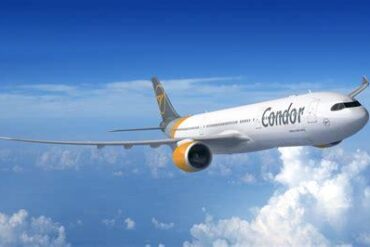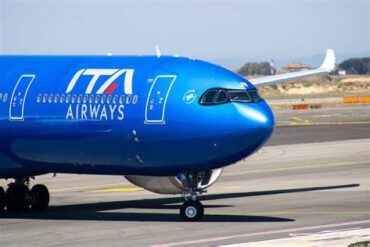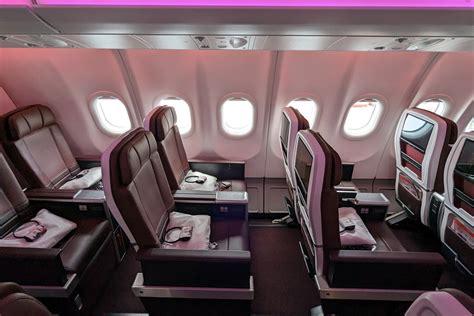
The Airbus A330-900neo, a member of the next-generation A330 family, has carved a unique niche in the long-haul market. As aviation enthusiasts and professionals evaluate its merits, we find ourselves looking beyond first impressions to dissect what truly defines this aircraft. Positioned as a modernized evolution rather than a groundbreaking innovation, the A330-900neo embodies Airbus’ strategy of refining a proven platform to extend its lifespan in a fiercely competitive market.
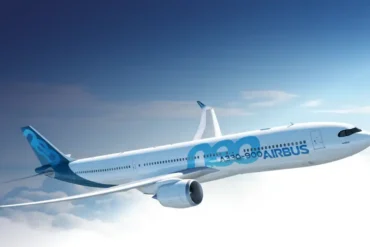
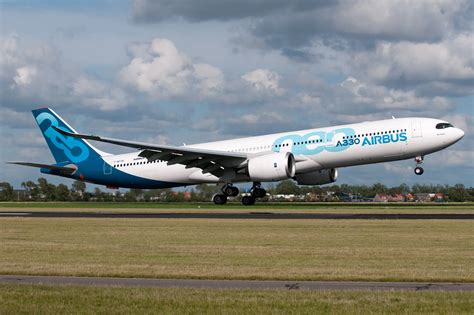
At the heart of the A330-900neo is its promise of enhanced fuel efficiency and passenger comfort. Fitted with Rolls-Royce Trent 7000 engines, this widebody offers up to 25% lower fuel burn per seat compared to previous A330 variants, a significant achievement for airlines aiming to minimize operational costs. The aircraft also boasts sharklet wingtips, borrowed from the A350 design, which improve aerodynamics and extend its wingspan to an impressive 64 meters.
Passengers often highlight the A330 family’s economy seating configuration as a major advantage. The 2-4-2 layout in economy class ensures that no passenger is more than one seat away from an aisle, providing a more comfortable experience than many competitors’ 3-3-3 setups. This feature, consistently praised in online forums, makes the A330-900neo a favored option among travelers seeking comfort on long-haul journeys.
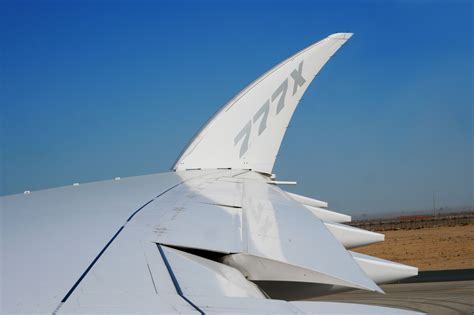
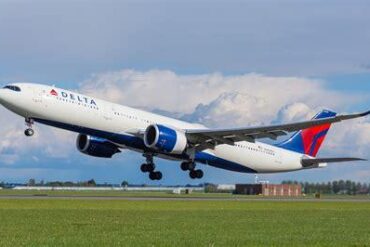
One recurring theme among enthusiasts is the aircraft’s aesthetic appeal. Described as a “beautiful bird” by many, the A330-900neo combines sleek fuselage lines with oversized engine nacelles, giving it a distinctive and powerful appearance. Some passengers and crew members note that its sound signature, while not as deep and thunderous as the Boeing 777’s, offers a pleasant hum that aviation aficionados appreciate during takeoff and landing.
While the aircraft’s performance and comfort features receive praise, opinions about its strategic value in Airbus’ lineup are more nuanced. Critics point out that the A330-900neo was conceived partly as a stop-gap to cover the market segment left by the underperforming A350-800. Unlike the revolutionary Boeing 787 Dreamliner, which introduced cutting-edge materials and systems, the A330-900neo is largely an evolutionary product. Its airframe remains conventional, relying on incremental improvements rather than a clean-sheet design.
Despite these limitations, the A330-900neo’s operational reliability and lower capital costs have made it attractive for airlines looking to expand or renew their fleets without the hefty investment associated with newer aircraft types. This strategy has proven especially appealing to carriers in regions where cost-efficiency trumps the allure of cutting-edge technology.
Another point of discussion is the aircraft’s market performance. While the A330-900neo has achieved moderate success, it has undeniably been overshadowed by the Boeing 787, which captured the public’s imagination and the bulk of orders in the same market segment. Aviation experts note that in specific scenarios—such as medium-haul routes or where infrastructure is constrained—the A330-900neo can outperform its rival in terms of seat-mile economics and maintenance simplicity.
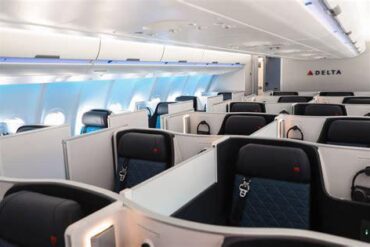
Passenger anecdotes further underscore the aircraft’s strengths. Many share stories of comfortable long-haul flights, highlighting how the seating layout, quieter cabin, and modern amenities contribute to a genuinely enjoyable travel experience. The A330-900neo’s Airspace cabin features customizable lighting, larger overhead bins, and improved air filtration, all designed to enhance passenger well-being on flights exceeding 10 hours.

In operational terms, the aircraft offers a range of 7,200 nautical miles, enabling airlines to serve intercontinental routes efficiently. The flexibility of its payload and performance characteristics makes it suitable for both high-density regional operations and long-haul missions, providing airlines with valuable versatility.
Of course, no aircraft is without its challenges. Some airline maintenance teams have flagged concerns over the potential for wing corrosion, a problem not unique to the Neo but inherited from its predecessor. Regular inspections and preventive maintenance are essential to mitigate long-term wear and ensure operational safety.
When examining the A330-900neo’s broader impact, we observe that it has become an essential tool for fleet modernization, particularly for airlines that already operate legacy A330s. The aircraft’s commonality with older A330 models allows pilots and engineers to transition seamlessly, reducing training costs and operational complexities. This feature is a cornerstone of Airbus’ design philosophy: optimizing fleet integration to save costs and streamline operations.
From a sustainability perspective, the A330-900neo plays a crucial role in helping airlines meet evolving environmental targets. With lower CO2 emissions per seat, the aircraft aligns with global efforts to reduce aviation’s carbon footprint, an increasingly important metric in today’s climate-conscious world.
The A330-900neo is not merely an airframe; it represents a balancing act between legacy performance and modern expectations. Its appeal lies in practical excellence rather than technological showmanship. Airlines and passengers alike have found value in its combination of comfort, efficiency, and reliability—attributes that continue to cement its place in the global aviation ecosystem.
In conclusion, while the A330-900neo may never enjoy the iconic status of some of its peers, it fulfills its mission with quiet competence. For airlines seeking a reliable, cost-effective widebody solution, and for passengers valuing comfort in the skies, the A330-900neo remains a compelling choice—underscoring Airbus’ talent for evolving a proven platform to meet modern demands.