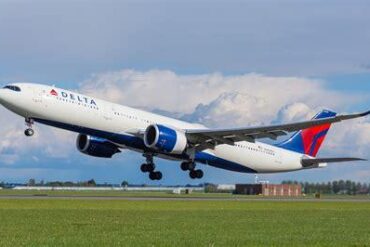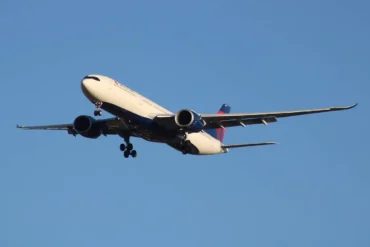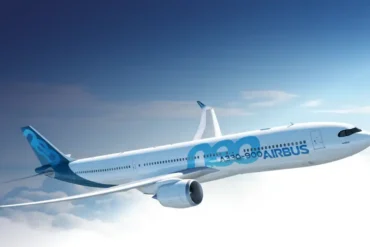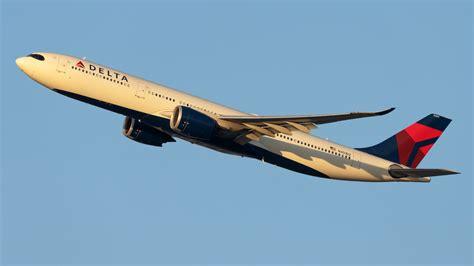
Delta Air Lines is preparing a significant long-haul upgrade for travelers departing Florida, announcing that its nonstop service between Tampa International Airport and Amsterdam Schiphol Airport will transition to the Airbus A330-900neo beginning March 29, 2026. The move replaces the older A330-300 with one of the most advanced widebody aircraft in Delta’s fleet, signaling a decisive shift toward a more premium-focused, fuel-efficient, and technologically refined transatlantic experience.
This aircraft change is far more than a routine fleet swap. It represents a strategic investment in cabin quality, operational efficiency, and long-term route sustainability. For Tampa, a growing international gateway, the arrival of the A330-900neo elevates its status within Delta’s global network, aligning the city more closely with the carrier’s flagship long-haul standards.
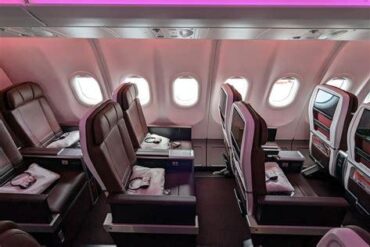
Passengers on the Tampa–Amsterdam route will immediately notice the difference. The A330-900neo has been designed around Airbus’ “Airspace” cabin concept, delivering a quieter, more spacious interior that redefines comfort across all classes. Compared to its predecessor, every element of the aircraft has been modernized, from the engines and materials to the lighting, seating, and inflight entertainment.
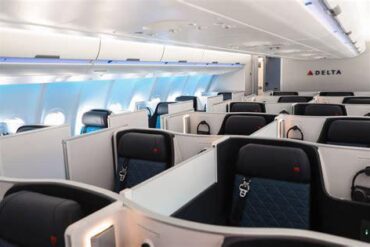
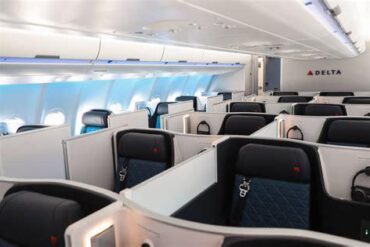
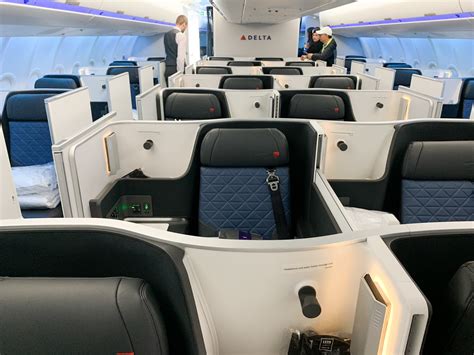
One of the most visible enhancements is the introduction of Delta One Suites with full-height privacy doors, bringing a business-class experience previously reserved for Delta’s most competitive long-haul markets. These suites transform the front cabin into a private, hotel-like environment, underscoring Delta’s push to standardize luxury across its international network.
A Cabin Designed for Comfort, Quiet, and Wellness
The A330-900neo’s cabin improvements go well beyond premium seating. Thanks to extensive use of advanced composite materials, the aircraft delivers an exceptionally quiet flying experience, reducing ambient noise throughout the cabin and creating a calmer atmosphere on long overnight sectors across the Atlantic.
Overhead bins have been redesigned to accommodate standard wheeled carry-ons more efficiently, reducing boarding friction and improving storage availability. Meanwhile, the full-LED ambient lighting system dynamically adjusts throughout the flight, simulating natural daylight cycles to help passengers reduce jet lag and arrive feeling more refreshed.
Air quality has also been enhanced. Higher cabin humidity levels and upgraded air filtration systems make the environment noticeably less dry, a subtle but important improvement that contributes to reduced fatigue after long-haul travel. Delta has paired these physical upgrades with its latest inflight entertainment platform, featuring high-resolution screens, expanded content libraries, and faster system responsiveness across all cabins.
Seating Strategy Reflects a Premium-Heavy Shift
While the A330-900neo carries fewer total seats than the A330-300, the redistribution tells a clear story about evolving passenger demand. Delta has reduced its Delta One count from 34 to 29 suites, trading density for space and privacy. The most notable expansion comes in Delta Premium Select, which grows from 21 to 28 seats, reflecting the explosive post-pandemic demand for premium economy travel.
Even more striking is the expansion of Delta Comfort+, which more than doubles from 24 to 56 seats. This shift acknowledges travelers’ growing willingness to pay for extra legroom, priority boarding, and enhanced service without stepping up to full premium economy pricing.
The main cabin, by contrast, shrinks by roughly 25%, dropping from 203 to 168 seats. Every seat onboard, regardless of cabin, benefits from upgraded memory-foam cushioning, ensuring consistent comfort throughout the aircraft.
According to Cirium schedule data, Delta plans to operate 17 round trips in April 2026, offering a total of 4,777 seats between Tampa and Amsterdam during that month. This equates to three to four weekly frequencies, reinforcing the route’s importance while aligning capacity with the aircraft’s premium-heavy configuration.
Efficiency Gains Power the Upgrade
From an operational standpoint, the A330-900neo delivers compelling advantages. Powered by Rolls-Royce Trent 7000 engines, the aircraft achieves a 14% improvement in fuel burn compared to earlier A330 variants. These engines are approximately 25% more fuel-efficient than those found on first-generation A330s, extending range while significantly lowering operating costs.
While fuel efficiency may not be visible to passengers, its benefits are felt indirectly through route stability, improved reliability, and Delta’s ability to sustain long-haul service from secondary U.S. gateways like Tampa. The quieter engines also contribute to reduced noise both inside the cabin and around airports, supporting Delta’s broader sustainability goals.
Agustín Durand, Delta’s General Sales Manager for Argentina, Central America, and the Caribbean, previously described the A330-900 as “a symbol of our commitment to improving the customer experience”, emphasizing its role as one of the most modern aircraft in global commercial service.
Airbus Continues to Dominate Delta’s Long-Haul Fleet
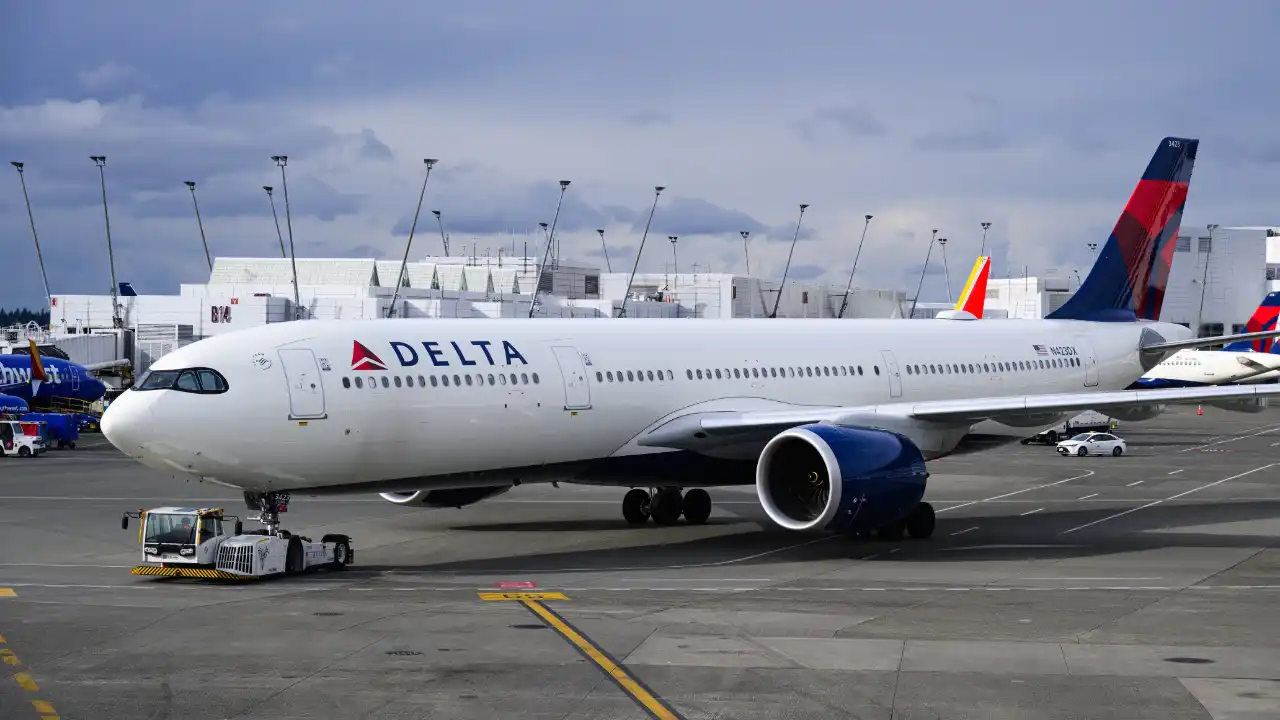
The Tampa–Amsterdam upgrade fits squarely within Delta’s long-term fleet strategy. By 2026, Airbus aircraft will comprise the vast majority of Delta’s twin-aisle operations. The A330-900neo is central to the airline’s effort to retire aging Boeing 767-300ER and 767-400ER aircraft while maintaining capacity flexibility and cost discipline.
Delta’s transition away from Boeing widebodies has been gradual but decisive. The retirement of its Boeing 777 fleet in 2020, the cancellation of 787 Dreamliner orders, and ongoing certification delays affecting other Boeing programs have pushed the airline to rely on Airbus for predictability, performance, and economic efficiency.
In this context, deploying the A330-900neo on the Tampa–Amsterdam route is both a customer-facing upgrade and a strategic statement. It signals Delta’s confidence in the aircraft, its commitment to premium international service, and its belief that markets like Tampa are ready for a next-generation long-haul product.
As March 2026 approaches, travelers between Florida and the Netherlands can expect a quieter cabin, smarter design, and a markedly elevated onboard experience—one that positions Delta’s Tampa–Amsterdam service among the most refined transatlantic offerings in its network.