Air Canada is preparing to expand the role of its newest Airbus A321XLR by deploying the advanced narrowbody aircraft on three transborder routes to the United States later this year. The move marks another milestone in the airline’s fleet modernization strategy, bringing a premium long-haul cabin experience to high-demand North American services while increasing operational flexibility across its network.
Following the aircraft’s introduction on upcoming European services, the Canadian flag carrier will now assign the A321XLR to routes linking Montréal, Toronto, Los Angeles, and Miami. The deployment highlights Air Canada’s confidence in demand across key leisure and business markets while giving travelers access to one of the airline’s newest onboard products.
The aircraft will initially appear on flights from Montréal–Trudeau International Airport to Los Angeles International Airport beginning on October 25, before expanding to additional US services in December. The introduction represents another important step in Air Canada’s strategy of using next-generation aircraft to improve passenger comfort while optimizing fuel efficiency on medium- and long-haul sectors.
Air Canada Adds A321XLR to Busy Los Angeles Services
Los Angeles will become the primary US destination for Air Canada’s new Airbus A321XLR. The airline plans to operate up to 12 weekly flights between Montréal and Los Angeles using the aircraft from late October. The expansion will be followed by the introduction of a daily Toronto–Los Angeles service beginning December 15, creating a combined schedule of 19 weekly A321XLR flights to Southern California.
These services will strengthen Air Canada’s already extensive presence in the Los Angeles market. In addition to Montréal and Toronto, the airline continues to serve the Californian city from Vancouver, offering multiple daily departures that cater to both business travelers and vacationers.
Competition on the Montréal–Los Angeles route remains relatively limited. Porter Airlines also operates year-round flights using its Embraer E195-E2 fleet, while Air Canada’s enhanced premium product is expected to provide a distinctive alternative for travelers seeking greater comfort on the five-hour journey.
Miami Receives Seasonal Airbus A321XLR Operations
Air Canada will also introduce the Airbus A321XLR on select flights between Montréal and Miami International Airport during the busy holiday travel period. According to current schedules, the aircraft is expected to operate on December 18 and December 25, complementing existing services already offered on the route.
Although these flights are limited, they showcase the flexibility of the A321XLR across both business and leisure markets. Miami remains one of the most popular winter destinations for Canadian travelers looking to escape colder temperatures, enjoy Florida’s beaches, or connect with cruises departing from one of the world’s busiest cruise ports.
Air Canada already serves Miami year-round from Toronto and Vancouver using its mainline fleet, while Air Canada Rouge continues to operate leisure-focused services from both Montréal and Toronto.
A Premium Narrowbody With Long-Haul Comfort
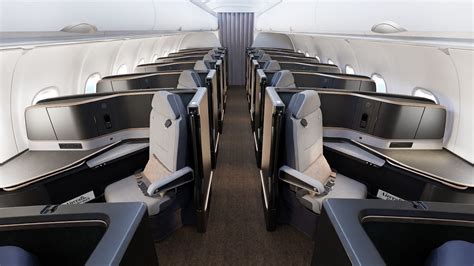
The Airbus A321XLR introduces a significantly upgraded onboard experience compared with the Airbus A320-family aircraft traditionally assigned to many transborder routes. The aircraft accommodates 182 passengers, featuring 14 Signature Business Class lie-flat seats alongside 168 Economy Class seats.
Business Class passengers benefit from fully flat beds, enhanced privacy through thoughtfully designed seating arrangements, retractable privacy panels, and a cabin that mirrors the premium experience found on Air Canada’s larger widebody aircraft. A 19-inch entertainment display supports Bluetooth audio connectivity, while USB-C ports, standard AC power outlets, and wireless charging pads ensure passengers can keep multiple devices powered throughout the journey.
Economy travelers also receive notable improvements. Newly designed seats provide additional comfort and practical storage, while 13-inch entertainment screens with Bluetooth connectivity allow travelers to pair wireless headphones without additional adapters. Modern tray tables and improved cabin ergonomics further enhance the travel experience on longer flights.
Strategic Fleet Expansion Supports Network Growth
The deployment of the Airbus A321XLR across these US routes follows Air Canada’s broader strategy of maximizing the aircraft’s exceptional range and efficiency. The airline has already announced plans to use the type on services to Toulouse, Berlin, and Nantes, demonstrating the aircraft’s ability to operate both transatlantic and high-demand North American routes with equal effectiveness.
For passengers, the arrival of the A321XLR means more opportunities to enjoy Air Canada’s newest cabin product without flying on larger widebody aircraft. For the airline, it delivers improved operating economics, greater scheduling flexibility, and the ability to match aircraft capacity more precisely with passenger demand.
As Air Canada continues taking delivery of additional Airbus A321XLRs from an order that could reach 30 aircraft, travelers can expect the carrier to steadily expand the aircraft’s presence throughout its North American and international network, making one of the industry’s most capable single-aisle aircraft an increasingly familiar sight across the airline’s busiest routes.