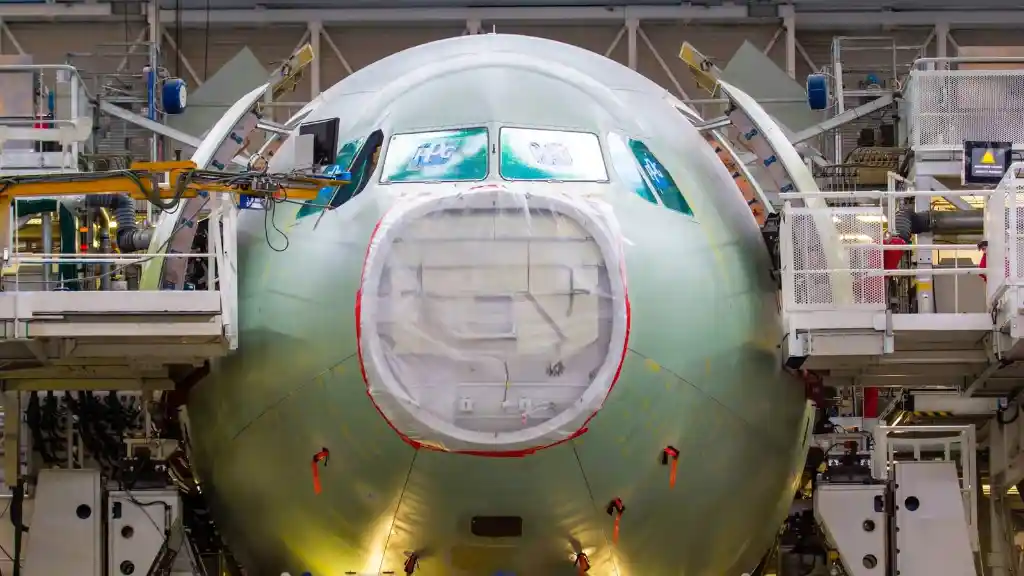
Airbus has resumed A330neo deliveries after a three-month disruption triggered by the discovery of a stray tool inside the horizontal tail plane of an aircraft undergoing pre-delivery inspection. The finding prompted the European manufacturer to conduct additional inspections across A330 aircraft still moving through production, sharply reducing deliveries during the summer.
The issue appears to have been isolated, according to Airbus, but its consequences have been significant for a program that is carrying a growing commercial backlog. The manufacturer delivered 34 A330neos in 2025, while its July 2026 order-and-delivery data showed 328 aircraft still awaiting delivery.
The interruption came at an awkward moment. Airbus has been working to increase A330 production as airlines and leasing companies place larger orders for the A330-900neo. With demand strengthening, the temporary delivery stoppage has created a substantial gap between the program’s 2026 performance and last year’s output.
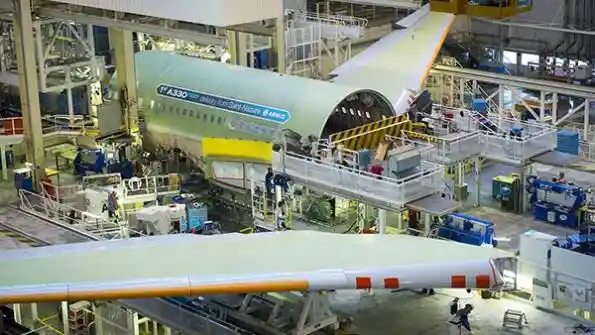
Airbus Identifies Tool Inside A330neo Horizontal Tail Plane
The disruption began after Airbus discovered a tool inside the horizontal tail plane of an A330neo during a pre-delivery inspection. The horizontal tail plane is a critical part of the aircraft’s empennage, contributing to longitudinal stability and pitch control.
Although Airbus characterized the problem as an isolated quality issue, the discovery was serious enough to trigger inspections of other A330 aircraft in production. Rather than allowing potentially affected aircraft to continue toward delivery, Airbus chose to examine the relevant structures and verify that the manufacturing process had not produced similar problems elsewhere.
The company’s horizontal tail planes are manufactured in Spain, although Airbus has not publicly identified where the tool was left behind or explained precisely how it entered the aircraft structure. It has also not disclosed how many individual aircraft required inspection or what corrective work was necessary on aircraft found to need additional attention.
That limited disclosure makes it difficult to determine the precise scale of the manufacturing problem. Nevertheless, the delivery figures clearly demonstrate its effect. Airbus delivered nine A330-family aircraft during the three months through May before deliveries effectively stopped in June and July.
Airbus subsequently confirmed that the problem was unrelated to strikes affecting its Spanish operations. The manufacturer also stated that there was no indication that A330neos already operating with airlines require action, an important distinction between a production-quality investigation and an in-service safety issue.
A330neo Deliveries Fell Sharply During Summer 2026
The clearest evidence of the disruption can be found in Airbus’ delivery figures. During the first eight months of 2025, Airbus delivered 15 A330neos. The corresponding 2026 figure stood at only 10 aircraft, assuming the August delivery reported by STARLUX Airlines is subsequently reflected in Airbus’ official statistics.
That represents roughly a 33% decline compared with the same period last year.
The monthly pattern is particularly revealing. Airbus delivered three A330neos in March 2026, followed by two in April and four in May. Deliveries then stopped in June and July before one aircraft reportedly reached STARLUX Airlines in August.
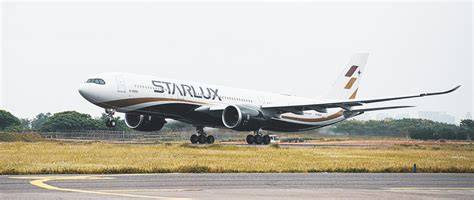
The August handover was significant because it marked the first reported A330neo delivery since an A330-900neo was handed over to Azul on May 28. STARLUX reportedly received A330-900neo MSN 2133 on August 11, providing the first visible sign that Airbus’ inspection process had progressed sufficiently to restart deliveries.
The decline is especially notable because Airbus’ overall commercial aircraft delivery performance has improved year over year. The company delivered 418 aircraft through July 2026, compared with 373 during the same period in 2025. The A330neo’s weaker performance therefore stands out against the manufacturer’s broader improvement.
Airbus Faces A Difficult 2026 Delivery Catch-Up
Matching the A330neo’s 2025 performance will now require an unusually strong finish to the year. Airbus delivered 34 A330neos during 2025, consisting of 33 A330-900neos and one A330-800neo.
With approximately 10 A330neos delivered through August 2026, Airbus would need another 24 aircraft between September and December to equal last year’s total. That would require an average of six A330neo deliveries per month during the final four months of the year.
Such a pace would be considerably higher than the program’s underlying production rate.
Airbus previously indicated that A330 production was stabilizing around four aircraft per month, with a longer-term objective of reaching five per month by 2029. Deliveries, however, do not always correspond directly with monthly production because aircraft can accumulate in the final stages of manufacturing while waiting for inspections, documentation, engines, cabin completion or customer acceptance.
That distinction could help Airbus recover some of the lost ground. If aircraft accumulated during the three-month inspection period are now cleared for delivery, several could potentially be handed over in a relatively short period.
Even so, eliminating the entire 2026 deficit would be difficult. Airbus would need both the accumulated aircraft and a sustained acceleration in customer handovers, while ensuring that the additional inspection process does not create another bottleneck.
A330neo Backlog Reaches 328 Aircraft
The delivery interruption becomes more important when viewed against the size of the A330neo backlog.
Airbus’ July 2026 orders-and-deliveries data showed 524 firm A330neo orders and 196 completed deliveries, leaving 328 aircraft still to be delivered. The A330-900neo accounts for 323 of those aircraft, while only five A330-800neos remain outstanding.
This backlog represents several years of production at current rates. It also demonstrates how dramatically the commercial position of the A330neo has changed.
For several years, the aircraft occupied a somewhat unusual position between Airbus’ smaller A330 family and newer-generation widebodies such as the A350. More recently, however, airlines have increasingly turned to the A330neo as a flexible solution for fleet replacement and long-haul growth.
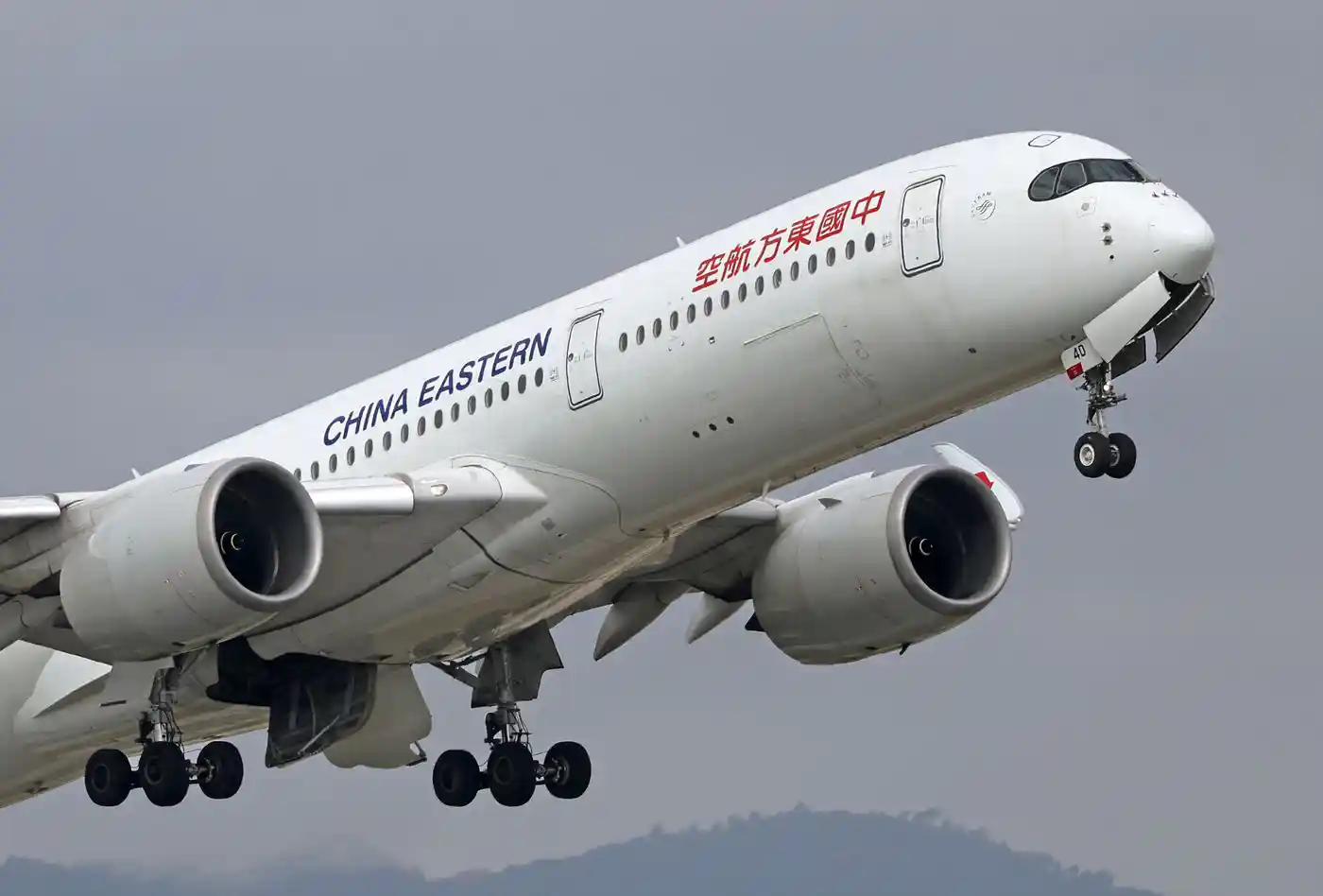
Large orders from Vietjet, Avolon, China Eastern Airlines, Malaysia Aviation Group, Delta Air Lines and SAS have significantly strengthened the program’s order book. Vietjet’s commitment alone has reached 40 A330-900neos, while China Eastern has added another 25 aircraft.
Major Airlines Continue Ordering the A330-900neo
The strength of recent orders means Airbus cannot simply treat the 2026 delivery slowdown as an isolated production inconvenience. Customers continue to expand their commitments even as the manufacturer works through its inspection backlog.
Delta Air Lines ordered another 16 A330-900neos in January 2026. The aircraft are particularly notable because the newest batch is expected to feature a premium-heavy cabin with 56 Delta One suites.
Scandinavian Airlines (SAS) followed with a firm order for 18 A330-900neos in June, while flynas added five aircraft in July, bringing its total commitment to 20. These transactions show that the A330neo continues to attract carriers looking for efficient widebody capacity without moving entirely into the larger A350 category.
The backlog also includes orders from Virgin Atlantic, Saudia, Condor, Etihad Airways, Azul, Kuwait Airways, ITA Airways, Air Algérie, Middle East Airlines and several leasing companies.
For Airbus, this creates a straightforward industrial challenge: the production system must deliver aircraft consistently enough to satisfy customers while maintaining the quality controls that prevented the tool discovery from becoming a more serious problem.
Quality Control Now Matters As Much As Production Rate
The A330neo disruption illustrates why aircraft manufacturing cannot be judged solely by how many aircraft leave the factory each month. Quality assurance is inseparable from delivery performance.
A tool left inside an aircraft structure might appear to be a small manufacturing error, but aviation production depends on exceptionally rigorous processes because components become inaccessible after final assembly. Airbus’ decision to inspect other aircraft indicates that the manufacturer treated the discovery as a process-control issue rather than assuming it was confined to one individual aircraft.
That approach inevitably slowed deliveries. Yet the alternative—allowing potentially affected aircraft to proceed without additional verification—would have introduced a much greater risk.
Airbus now says the root cause has been identified and deliveries have resumed. If the inspection campaign is complete and corrective measures have been implemented, the company should gradually return the A330neo program to a more predictable delivery rhythm.
The challenge will be converting that restart into sustained output. With 328 A330neos still outstanding and major customers continuing to place orders, Airbus has little room for another prolonged interruption.
The three-month halt may ultimately prove to be a temporary setback rather than a fundamental problem for the program. The A330neo’s growing backlog suggests that demand remains strong. But recovering the aircraft lost during the summer will require Airbus to balance production efficiency, delivery speed and manufacturing quality with unusual precision for the remainder of 2026.