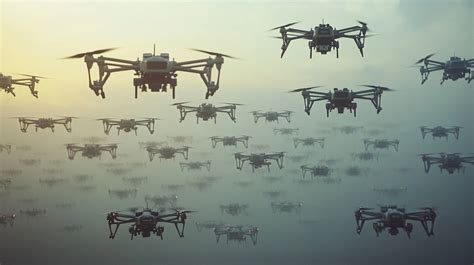
Artificial intelligence has radically transformed drone capabilities, turning what were once remote-controlled flying cameras into autonomous, intelligent machines capable of complex decision-making and situational awareness. This evolution merges real-time data processing with machine learning, enabling drones to execute tasks in agriculture, disaster response, defense, logistics, and more without relying on constant human guidance.
Understanding the Role of AI in Drones
Traditional drones functioned as passive tools — capturing images or video while requiring constant human input. But AI-equipped drones are proactive systems. These drones perceive their surroundings, adapt to changes, and even make predictions. They use computer vision to detect objects, deep learning to recognize patterns, and autonomous navigation to operate in GPS-denied environments. This enables them to perform tasks like 3D mapping, damage assessment, and object tracking — all in real-time.
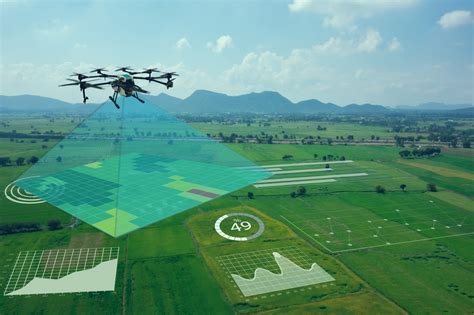
The integration of AI in UAVs (Unmanned Aerial Vehicles) enhances:
- Autonomous flight and obstacle avoidance
- Real-time analytics and image recognition
- Predictive maintenance and behavior modeling
- Collaborative mission execution via swarm intelligence
These functions are made possible through a combination of sensor fusion, onboard GPUs, edge computing, and cloud-based neural networks that evolve through continual learning.
AI Drone Applications Across Industries
From defense to logistics, the use of AI drones is redefining operations. Here’s a deep dive into how different sectors are leveraging AI-powered UAVs:
Defense and Security
AI drones are revolutionizing military and law enforcement tactics. Using advanced navigation algorithms and thermal imaging, these drones conduct reconnaissance in GPS-denied zones, locate threats, and map enemy positions.
Shield AI, for instance, employs its “Hivemind” software to allow drones to fly autonomously through building interiors without GPS. The Hivemind Nova UAV identifies humans, maps indoor structures, and sends real-time updates to operators in the field.
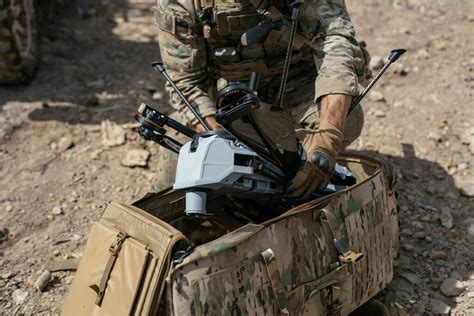
AeroVironment goes further, producing AI-powered drones like the Switchblade for precision strikes and long-range surveillance, minimizing human casualties in risky missions.
Public Safety and Emergency Response
AI-enabled UAVs play a critical role in emergency response. Fire departments, police units, and search and rescue teams depend on drones for situational awareness, especially during disasters.
DroneSense equips responders with collaborative tools where multiple drones feed real-time data into a shared interface. This allows SWAT teams to plan entries, firefighters to locate survivors in smoke-filled environments, and disaster response units to assess structural damage after earthquakes or hurricanes.
BRINC’s LEMUR S drone features two-way audio, thermal imaging, and the ability to hover inside collapsed structures for hours. Its 31-minute flight time and idle capabilities make it a staple for tactical response.
Agriculture and Environmental Monitoring
In farming, AI drones optimize yields and reduce costs by generating detailed field maps, identifying crop diseases, and assessing irrigation.
Skycatch, used by Japanese construction giant Komatsu, enables drones to create centimeter-accurate 3D models of terrain within 30 minutes. These maps inform land grading and crop management strategies.
AeroVironment’s drones also analyze crop health and irrigation patterns, helping farmers increase efficiency while reducing resource consumption.
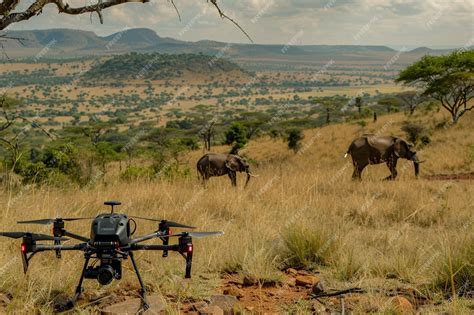
In Africa, Neurala-powered drones are used by the Lindbergh Foundation to protect elephants. By learning the image of a poacher in just 20 minutes, these drones autonomously patrol reserves and alert rangers to potential threats before poachers reach their targets.
Construction and Industrial Inspection
The construction sector benefits immensely from AI drone inspections. Drones equipped with AI models can detect anomalies in real-time, reducing the need for manual inspections and preventing costly delays.
Percepto’s AIM system integrates drones, cameras, and robots to manage visual data. Used across energy and mining industries, their AI systems detect gas leaks, monitor infrastructure health, and conduct 3D site modeling.
Orby’s drones go even further by autonomously scanning shelves and tracking warehouse inventory using depth analysis. These drones work after hours, enhancing supply chain management.
Logistics and Autonomous Delivery
AI is crucial in the realm of drone-based logistics. By allowing drones to navigate complex routes and weather conditions, AI makes autonomous delivery scalable and dependable.
Zipline leads this innovation, deploying AI-powered drones to deliver essential medicines in remote regions. These drones can circumnavigate the equator in under three days, handling rough terrains and extreme climates without human pilots.
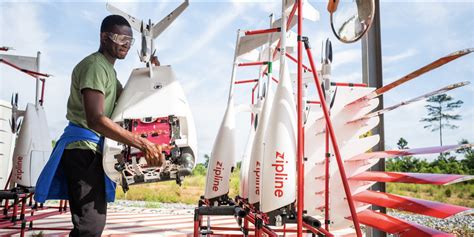
Their AI modules monitor flight paths, reroute based on real-time weather data, and ensure successful deliveries in areas where roads are impassable.
Media, Sports, and Entertainment
AI in drones is also pushing the limits of cinematography. Skydio’s drones use 13 cameras and deep learning to track subjects autonomously. Whether it’s capturing a mountain biker or a marathon runner, the drone adapts to terrain and maintains focus on the subject — no pilot necessary.
These smart drones offer multiple video modes, such as tripod view or autonomous follow, ideal for content creators looking to film dynamic footage without a camera crew.
Warehouse Management and Smart Factories
In manufacturing and warehousing, drones powered by AI simplify inventory auditing and facility mapping.
Orby leverages computer vision and autonomous navigation to optimize warehouse operations. Drones fly along programmed routes, scan stock with AI depth analysis, and automatically reorder depleted items. This minimizes downtime and human error in large-scale operations.
Key Companies Advancing AI Drone Technology
Skycatch
Location: San Francisco, California
Skycatch transforms drone-captured imagery into 3D meshes, orthomosaics, and thermal visuals. Komatsu uses Skycatch on over 5,500 job sites for precise terrain modeling.
DroneSense
Location: Austin, Texas
DroneSense provides public safety platforms with multi-drone coordination and live video feeds for first responders, SWAT, and disaster teams.
Neurala
Location: Boston, Massachusetts
Neurala’s deep learning helps drones identify individuals in crowds and inspect industrial assets, slashing identification times to just 20 minutes.
Percepto
Location: Modi’in, Israel
Percepto’s AI-powered systems conduct 3D modeling, gas detection, and construction surveillance, widely adopted in mining and energy sectors.
MORSE Corp
Location: Cambridge, Massachusetts
This company integrates AI in drone navigation for defense purposes, helping drones traverse unfamiliar terrain and support U.S. national security missions.
BRINC Drones
Location: Las Vegas, Nevada
Their tactical drone LEMUR S offers search-and-rescue features with two-way audio and night vision, specifically for high-risk emergency zones.
Skydio
Location: Redwood City, California
Skydio builds autonomous drones for video capture, sports, and security — enabling precise subject tracking with zero human piloting.
Shield AI
Location: San Diego, California
Their Hivemind drones autonomously conduct indoor missions and are heavily used in military and law enforcement scenarios.
Applied Aeronautics
Location: Austin, Texas
The “Albatross” UAV offers 4-hour flight time, ideal for pipeline inspections, wildlife conservation, and humanitarian missions.
Zipline
Location: San Francisco, California
Specializes in AI-based medical drone deliveries to underserved regions around the globe.
Orby
Location: Santa Clara, California
Provides AI drones for warehouse mapping, inventory tracking, and automated restocking.
AeroVironment
Location: Arlington, Virginia
Supplies the military with stealthy recon drones and AI systems for agricultural and tactical purposes.
BlueHalo
Location: Arlington, Virginia
Supports both government and commercial drone programs with AI and rapid prototyping capabilities.
The Future of AI in Drones
As onboard computing becomes faster and more energy-efficient, AI drones will become even more autonomous, capable, and versatile. Future drones will likely:
- Execute swarm missions with AI-powered communication
- Perform predictive maintenance on infrastructure
- Map environmental changes in real-time
- Assist in combat with decision-making algorithms
AI in drones is no longer theoretical — it’s revolutionizing the skies one sector at a time.