Adaptive microlearning is not merely a trend—it represents a paradigm shift in corporate learning strategies. By fusing the hyper-personalization of adaptive learning with the rapid efficiency of microlearning, organizations unlock a method that is faster, smarter, and profoundly more effective than conventional training models. In an era where continuous learning and workforce agility dictate competitive advantage, adaptive microlearning offers the precise, data-driven framework needed to cultivate high-performance teams in real time.
What is Adaptive Microlearning?
Adaptive microlearning is the convergence of two educational technologies:
-
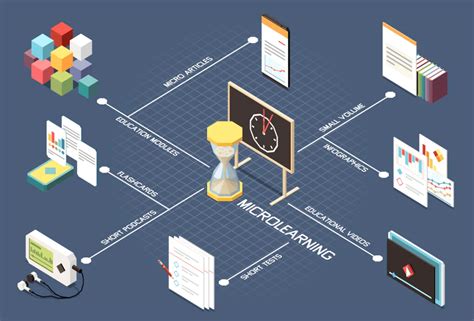
Microlearning, which delivers focused, bite-sized lessons typically under 10 minutes.
-
Adaptive learning, which personalizes training content based on individual learner performance, behavior, and knowledge gaps.
When merged, they create a personalized, iterative learning experience delivered in short bursts that adapt dynamically to each employee’s evolving needs. Unlike traditional static eLearning, adaptive microlearning integrates seamlessly into daily workflows, ensuring better retention, faster skill development, and measurable performance improvements.
Alignment with Cognitive Science and Real-World Learning Patterns
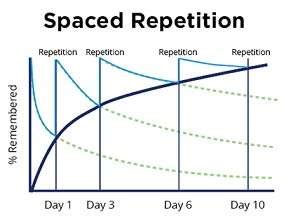
One of the greatest strengths of adaptive microlearning lies in its alignment with how the human brain processes and retains information. Cognitive science has long established that spaced repetition, retrieval practice, and contextual relevance are the core mechanisms behind durable learning.
Adaptive microlearning automates these principles:
-
Lessons are spaced and reinforced over time, following the curve of forgetting.
-
Retrieval is encouraged through interactive micro-assessments.
-
Lessons are tailored to what the learner needs at the moment, creating contextual resonance.
This model not only improves knowledge retention but also builds on-the-job confidence, making employees more adept in real-world situations.
Accelerated Skill Acquisition Without Training Overload
A key barrier to traditional training programs is time consumption. Employees, especially those on the frontlines or in fast-paced industries, often lack the bandwidth for lengthy training sessions. Adaptive microlearning resolves this with its high-impact, low-time-commitment design.
Each session zeroes in on only the skills the employee lacks or needs to reinforce. The result is:
-
Faster upskilling without sacrificing productivity
-
Minimized redundancy by eliminating irrelevant lessons
-
Streamlined learning paths tailored to each employee’s role and performance
This approach turns learning into a daily habit, not a disruption.

Data-Rich Learning Analytics for Measurable Growth
The fusion of microlearning’s topic-specific focus with adaptive tech’s real-time adjustments yields exceptionally granular data. Organizations can track progress at a per-topic, per-employee level, enabling more precise learning interventions and data-informed decision-making.
For instance, platforms like Axonify use adaptive microlearning to:
-
Pinpoint knowledge gaps immediately after lessons
-
Measure not only knowledge improvement but behavioral change over time
-
Deliver insights that correlate learning activities with business KPIs such as sales performance, safety compliance, or customer satisfaction
This feedback loop ensures the continuous evolution of both the workforce and the learning system itself.
Seamless Workflow Integration and Reduced Administrative Overhead
Traditional eLearning systems often require considerable time and effort to design, deploy, and manage. By contrast, adaptive microlearning:
-
Reduces instructional design workload by focusing on micro-content
-
Uses algorithms to automate content delivery, reducing manual assignment
-
Adjusts to organizational shifts without requiring large-scale overhauls
This leaner architecture is not only faster to implement but also easier to scale. As company needs evolve, the system recalibrates automatically, delivering the right content to the right people at the right time.
Empowering Continuous Upskilling and Career Growth
In today’s dynamic labor market, upskilling and cross-skilling are strategic necessities. Adaptive microlearning enables employees to build versatile skill sets through:
-
Daily micro-sessions that fit within existing workflows
-
Personalized recommendations for growth areas
-
Role-specific content that supports career mobility
Because the content adapts to the learner’s pace and goals, it fosters a culture of learning ownership. Employees are empowered to pursue new roles or responsibilities confidently, without abandoning their day-to-day tasks.
Enhanced Learner Engagement and Retention
Engagement is the cornerstone of effective learning. Adaptive microlearning excels in this area by combining:
-
Short session durations, minimizing fatigue
-
Hyper-relevant content, avoiding cognitive overload
-
Dynamic challenge levels, maintaining learner flow and interest
This format significantly reduces learner attrition, keeping training participation rates high and completion rates consistent. Employees engage with training not because they have to, but because they see immediate value.
Real-World Applications and Business Impact
Across industries—from retail and hospitality to healthcare and logistics—adaptive microlearning is driving tangible improvements in:
-
Operational performance
-
Regulatory compliance
-
Customer service quality
-
Employee satisfaction and retention
Leading organizations report measurable outcomes such as reduced onboarding time, higher sales conversion rates, and lower safety incident frequency. The model scales effortlessly across roles, departments, and geographies, making it an ideal solution for enterprise-wide training initiatives.
Why Adaptive Microlearning Surpasses Traditional eLearning
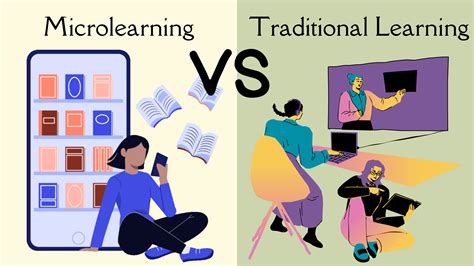
Where traditional eLearning struggles with engagement fatigue, irrelevant content, and low retention, adaptive microlearning offers a targeted, agile, and learner-centric alternative. It mirrors the fast, flexible learning behavior of the modern workforce while delivering deep, long-lasting impact.
It’s not just about efficiency—it’s about effectiveness at scale. From aligning training with strategic goals to fostering a culture of curiosity and continuous improvement, adaptive microlearning represents the future of workforce enablement.
FAQs
What makes adaptive microlearning different from standard microlearning?
While microlearning delivers content in small, digestible units, adaptive microlearning takes it further by tailoring each lesson to the learner’s specific needs using data-driven algorithms. It ensures that every piece of content is not only short but strategically relevant to the learner.
How can adaptive microlearning be integrated into daily workflows?
Most adaptive microlearning platforms are mobile-friendly and designed for quick access, allowing employees to complete sessions during idle moments, shift changes, or daily check-ins. Integration with tools like Slack, Microsoft Teams, or custom LMS systems makes it seamless.
Is adaptive microlearning suitable for all industries?
Yes, adaptive microlearning is industry-agnostic. It’s particularly effective in sectors with fast-moving environments, such as retail, logistics, healthcare, and manufacturing. However, its principles apply equally well to corporate settings, tech, and professional services where continuous upskilling is required.