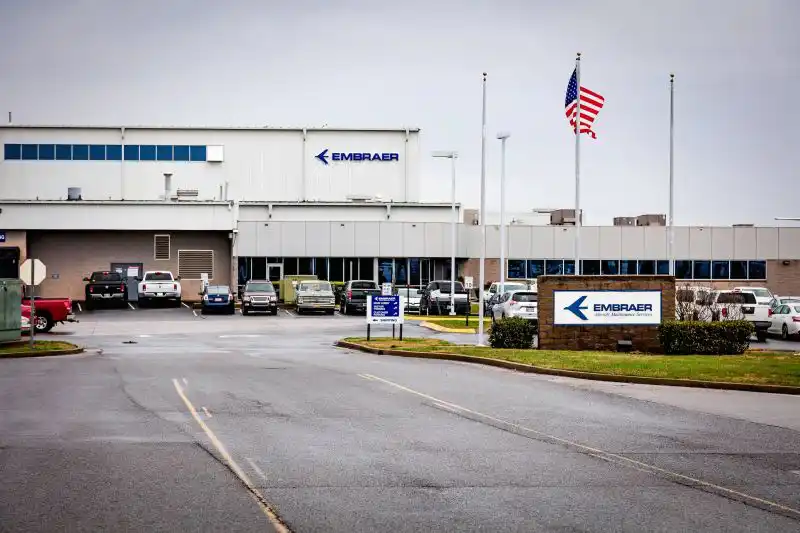
Embraer Aircraft Maintenance Services (EAMS) has garnered a multifaceted reputation among its employees, with many praising the technical excellence, team cohesion, and career development opportunities, while others express frustration over communication breakdowns and organizational inconsistencies. Drawing insights from a wide spectrum of employee reviews, this article provides a comprehensive, unfiltered look into what it’s truly like to work at Embraer Aircraft Maintenance Services, with a focused lens on its Nashville and Macon facilities.
A Culture Rooted in Technical Precision and Shared Purpose
One of the most frequently cited strengths of working at EAMS is the collective commitment to quality aircraft maintenance and on-time service delivery. Numerous current employees report a strong sense of purpose and pride in their roles, particularly among technicians and specialists who thrive in the company’s highly collaborative environment. At the Nashville site, a Structures Technician praised the company’s ethos: “Everyone works together to sustain and enhance maintenance capabilities.” This culture fosters a sense of camaraderie that many feel is essential in the high-stakes world of aviation maintenance.
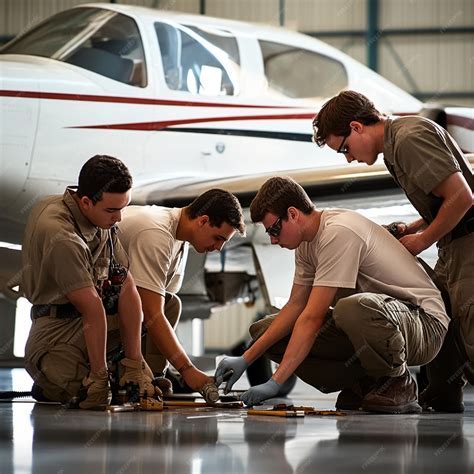
Despite the technical challenges that come with working on aircraft—including heavy C-checks, avionics diagnostics, and structural inspections—employees often describe the work as deeply rewarding. A&P Technician IV in Macon noted the “peace and satisfaction of doing a good day’s work”, a sentiment that speaks volumes about the sense of purpose embedded within the technical labor.
The Shifting Dynamics of Management and Leadership
Where EAMS excels in technical solidarity, it occasionally falters in managerial communication and operational consistency. Several reviewers mention gaps in communication between leads and supervisors as a recurring source of frustration. A former Environmental Health & Safety Specialist described the supervisor’s lack of communication as “a bad look,” particularly for someone entering their first job in the field. These breakdowns can affect not only day-to-day workflow but also employee morale and retention.
It is also apparent from multiple reviews that while some employees find management supportive and thankful—especially those working under engaged and communicative leads—others find themselves navigating a workplace politics maze. Complaints about favoritism, inconsistent training, and a lingering “Good ‘ol Boys Club” culture particularly affect those aiming for upward mobility within the organization.
Work-Life Balance and Scheduling: A Mixed Blessing
One widely appreciated feature at EAMS is the four-day, 10-hour shift schedule, which many employees view as a significant advantage. This structure not only allows for longer weekends but also provides flexibility, an essential perk in a demanding industry.
Avionics technicians and logistics coordinators report that this schedule offers a better work-life balance than many competitors. The structure of the shifts also helps distribute the workload more evenly and provides space for personal time without compromising production.
However, this isn’t without drawbacks. For some, the long shifts can lead to mental fatigue if management doesn’t properly allocate tasks or if the staffing is stretched thin. Others noted that the breaks are short and the physical demands of the job, especially during inspections and repairs, can take a toll without sufficient rest.
Facilities, Technology, and Equipment: Progress Meets Reality
EAMS has made significant strides in embracing technological advancements in aircraft diagnostics and maintenance. Many employees commented positively on how technology is continually improving, which enhances efficiency and ensures that technicians are working with state-of-the-art tools.
Yet, reviews also reveal a more nuanced reality. An A&P Technician in Macon observed that while the facility is overall very nice, some of the equipment is outdated and in need of replacement. Similarly, other staff have raised concerns about the variability in equipment quality and availability, depending on department or shift.
These discrepancies in technological resources can impact not just workflow but also employee perception of fairness and investment in their roles. Those who have access to modern tools feel empowered, while others feel frustrated by outdated machinery that hampers their ability to perform optimally.
Opportunities for Growth and Advancement: Earned, Not Given
Career advancement at EAMS is a point of contention. On one hand, there are stories of long-tenured employees who have progressed through the ranks and now mentor others. On the other hand, there are repeated critiques about nepotism, favoritism, and lack of structured career pathways.
For instance, one Production Control Clerk candidly stated: “Managers are determined by who you know, not your qualifications.” Such observations reflect a belief that personal connections may outweigh performance metrics, leading to demotivation among ambitious workers. Others reported that advancement opportunities are limited and that HR support is nearly non-existent, making it difficult to voice grievances or seek guidance.
Despite this, there are success stories—especially from those who demonstrated resilience and adaptability. An employee with over two decades at the company recounted how Embraer continuously sought input from staff, stating: “Managers are always asking employees for ideas and suggestions on how to get better results.” This level of engagement and inclusion may be more common in certain facilities or departments.
Employee Benefits and Compensation: An Uneven Playing Field
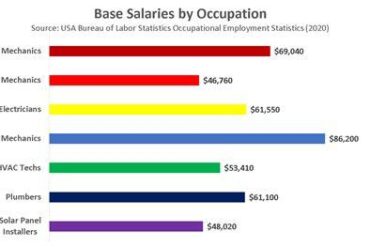
In terms of compensation, reviews paint a complex picture. While some positions are reportedly well-compensated, particularly those involving specialized skill sets or long tenure, others feel underpaid given the technical demands and stress levels of their roles.
A&P Tech III noted that “they pay skilled mechanics in the low to mid-20s,” a rate perceived by many as below industry standard. Coupled with occasional long hours and minimal HR support, this has led to high attrition in certain departments. However, many employees appreciate the benefits package, which often includes healthcare, PTO, and occasional appreciation events.
The disparity in satisfaction with pay and benefits underscores the importance of department-specific experiences. Office roles, such as customer service managers, reported excellent support and a manageable workload, while more hands-on roles sometimes struggle with recognition and fair compensation.
Final Thoughts: A Company of Contrasts and Opportunities
Embraer Aircraft Maintenance Services offers a compelling opportunity for those passionate about aviation maintenance, particularly for those who value team-oriented environments, technical challenges, and a structured workweek. The company has cultivated a loyal base of long-term employees who genuinely appreciate the culture of craftsmanship and purpose that defines their daily work.
However, the experience at EAMS is not universal. As with many large organizations, the quality of the experience is heavily influenced by departmental leadership, communication standards, and internal culture dynamics. For prospective employees, success at EAMS may depend on adaptability, patience, and a proactive approach to career navigation.
While the company continues to evolve, particularly with ongoing improvements in technology and operational systems, its ability to retain top-tier talent may ultimately hinge on consistent management practices, equitable advancement structures, and a renewed focus on internal communication. For now, EAMS remains a place where technical excellence thrives—though not without its share of growing pains.