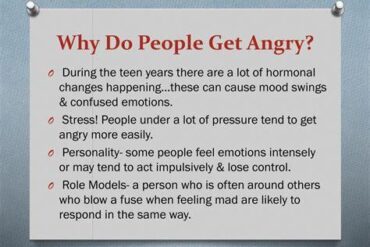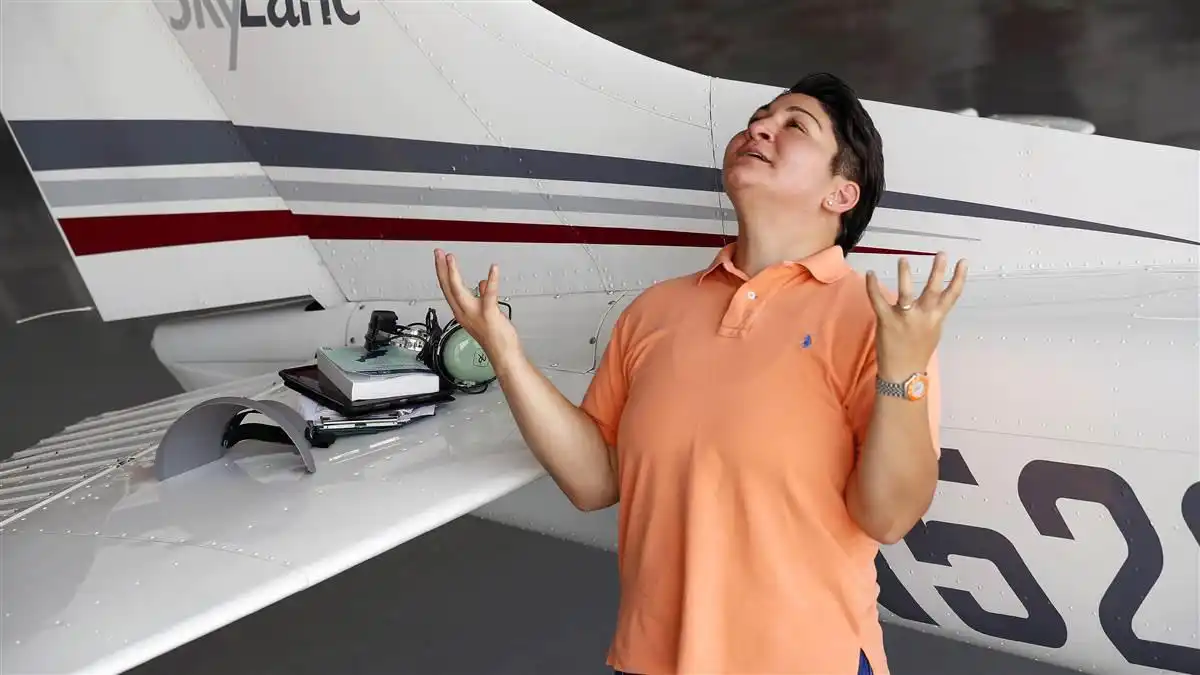
Anger in flight students often stems from perceived failure, loss of control, or misalignment of expectations. This may manifest after repeated corrections during a maneuver, when being denied control during a go-around, or after receiving feedback that strikes a nerve. Flight training is a high-stakes environment, and some students equate instructor correction with personal failure. When a student refuses to take responsibility—such as telling the CFI flatly, “No,” when asked to reflect—it signals a deeper disconnect.
This reaction often masks fear, frustration, or ego defense. While some students lash out due to a bruised ego, others may not know how to articulate their confusion or disappointment. The key for instructors is to differentiate between emotional reactions and behavioral patterns, then respond with tailored interventions rather than one-size-fits-all corrections.
Debriefing as a Constructive Tool
The post-flight debrief isn’t just a tradition—it’s a core teaching strategy. But with angry students, how the debrief is framed matters immensely. Rather than pointing out errors directly, successful CFIs often frame discussions with open-ended, reflective questions like:
“What did you notice on that approach?”
“What would you do differently next time?”
“When did you feel most in control during the pattern?”
This allows the student to take ownership of their experience, offering them space to self-diagnose. An effective variation, suggested by instructors like LondonPilot, is the mid-flight debrief:
“I have control. Now, what did you think of that approach?”
This technique allows for immediate reflection while the sensory memory is fresh, reducing defensiveness that can build up by the end of the flight.
Scaffolding: Building Confidence Through Structured Autonomy
One of the most potent teaching methods when working with emotionally reactive students is structured scaffolding. This involves:
- Demonstration: Show the maneuver.
- Direct Correction: Allow student control, then guide real-time corrections.
- Guided Error Identification: Let the student spot what went wrong.
- Student-led Fixes: The student corrects errors with minimal guidance.
- Silent Observation: Instructor backs off to build independence.
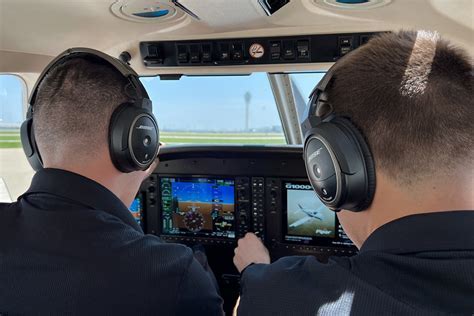
This progressive reduction in intervention not only teaches the skill but builds emotional resilience. Students who are guided toward recognizing and correcting their own mistakes are less likely to feel attacked and more likely to engage critically and constructively.
Managing Missed Approaches and Over-Caution
Anger can also stem from over-caution—a student constantly calling missed approaches not because conditions warrant it, but due to a lack of confidence. It’s crucial for instructors to determine whether the call was justified or driven by fear. Instead of issuing direct commands like:
“Start thinking about turning final now,”
consider prompting student judgment:
“When do you plan to turn final?”
This approach promotes mental engagement and accountability. It nudges students to develop their internal decision-making timeline, a key competency in aviation.
Prebriefing: Setting the Emotional Stage
Before wheels ever leave the ground, the prebrief should prepare students not just for technical maneuvers, but for emotional responses. When a CFI prefaces a lesson with, “Today, I’m going to let you make some mistakes so we can learn from them,” it primes the student to view errors as opportunities, not failures.
Prebriefing also involves setting clear expectations. When students know that the instructor may remain silent for a leg of the pattern or allow them to troubleshoot a ballooned landing, they’re less likely to misinterpret silence as abandonment or criticism.
Leveraging Technology for Self-Reflection
Today’s training environment allows for multi-angle GoPro recordings, cockpit audio playback, and flight path analytics via apps like CloudAhoy. When a student refuses to accept feedback verbally, presenting video evidence of pitch attitude mismanagement or a delayed flare can shift the conversation from subjective to objective. It detaches critique from ego.
Instructors can say:
“Let’s watch this segment together and you tell me what you see.”
This removes the instructor from the role of adversary and reframes the experience as a collaborative analysis.
Reinforcing with Ground Pattern Reviews
Complex emotional responses in the air can often be addressed with repetition and visualization on the ground. Reviewing pattern work step-by-step, especially with diagrams or whiteboard simulations, can help angry or frustrated students contextualize their decisions.
A visual learner might better grasp why they floated on final or missed the turn to base when shown wind vectors or runway alignment in a static image. These exercises serve to ground emotional turbulence in mechanical understanding.
The Power of Success Opportunities
Even a rough lesson can end on a high note. Purposefully sprinkling in achievable successes—such as a well-executed radio call or a smooth taxi back—can reframe the lesson in the student’s mind. These wins should be pointed out with sincerity:
“Your ground handling was textbook today. Let’s carry that same focus into the air next time.”
This promotes positive reinforcement and emotional recalibration. It also encourages retention and motivates the student to return with a more open mindset.
Tailoring Methods to Mindsets
No two students respond to feedback the same way. Some require high empathy, others need firm boundaries. An experienced instructor learns to read the signs:
- Is the student shutting down?
- Are they masking confusion with bravado?
- Do they need silence or reassurance?
Each strategy—from full-stop taxi backs (instead of touch-and-gos) to silent legs of the pattern—should be chosen based on the student’s emotional bandwidth that day.
Sometimes, simply stating:
“I’m going to give you some quiet time on this next circuit,”
signals respect and autonomy while diffusing potential friction. This hands-off intention, when clearly prebriefed, gives the student space to think without feeling abandoned.
The Role of CFI Adaptability
At the core of managing angry students is CFI adaptability. There is no static syllabus that accommodates every mood, learning style, or personality. Instead, success lies in the ability to:
- Shift from directive to reflective feedback.
- Modify flight profiles based on emotional indicators.
- Use silence and questioning in balanced doses.
A rigid instructor may enforce control but lose the student’s trust. A flexible one cultivates resilient, self-aware pilots who are capable of learning through both success and setback.
Conclusion: Emotional Safety as Flight Safety
Training an angry student is not just about resolving conflict—it’s about ensuring safety, promoting deeper understanding, and shaping aviation professionals capable of calm, independent decision-making. Every missed approach, taxi-back, and wind gust becomes a chance to model not only technique, but temperament.
Instructors who create space for reflection, enforce accountability with respect, and celebrate progress—no matter how incremental—build students who thrive under pressure, not crack. Anger, when understood and managed properly, becomes just another variable in the training environment—one that can be measured, anticipated, and transformed into growth.