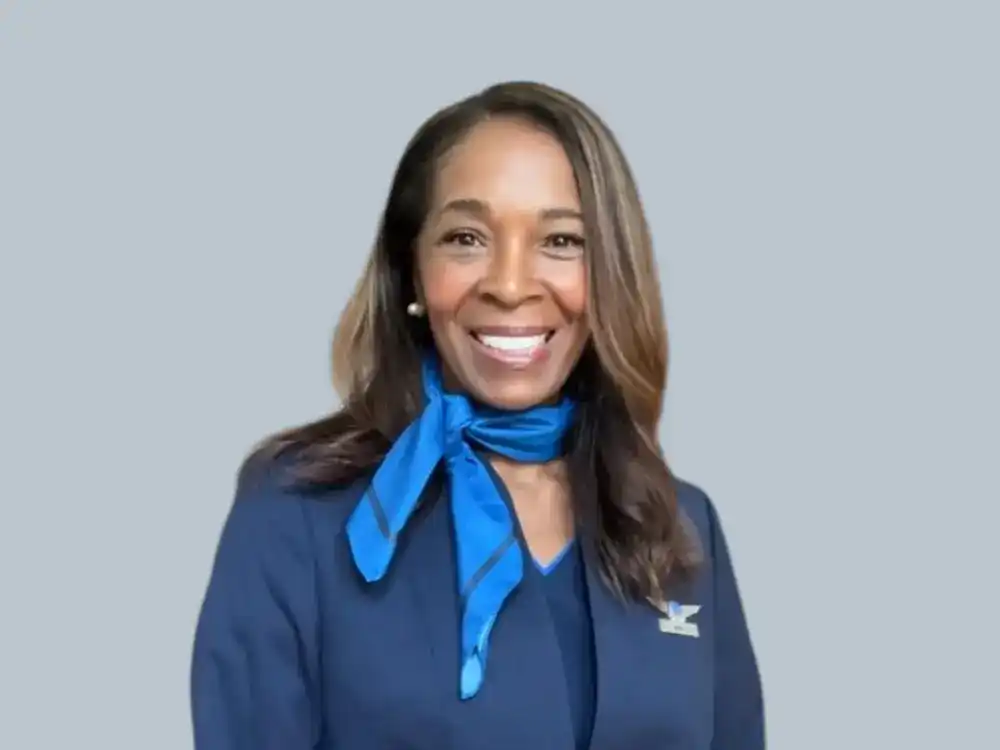
In 1994, Jodye Beard-Brown returned to Houston from a modeling career in France, craving something new—something rooted in travel and connection. That impulse led her to a job at Continental Airlines, which would later merge with United Airlines in 2012. Today, with 31 years of service, Beard-Brown represents the grit, grace, and growing grievances of thousands of long-serving flight attendants who are demanding recognition through long-overdue raises and better working conditions.
Her story is not only personal but emblematic of deeper systemic issues across the airline industry. As Beard-Brown puts it, “We deserve that.”
Seniority and the Invisible Hierarchy in the Sky
To outsiders, three decades in one profession suggests seniority and elite status. But the airline world operates on a unique seniority-based system that often blurs merit and longevity. Despite her 31 years on the job, Beard-Brown still finds herself unable to bid on top international destinations like London, Amsterdam, Frankfurt, or Narita. Those remain reserved for the ultra-senior crew—some of whom have 50 years of service or more.
This rigid ladder dictates nearly every aspect of a flight attendant’s life: from preferred schedules, vacation bids, and layover destinations, to first breaks and shift preferences. It’s a system that can reward loyalty—but often at the cost of fairness and upward mobility.
Global Journeys, Domestic Realities
Beard-Brown’s recent assignments have included flights to São Paulo, a city she appreciates for its modest time difference (just two to three hours from Houston), which allows for easier recovery. These overnight international flights often start at 6:30 p.m., and involve a full dinner service, a brief rest period for the crew, and then breakfast before landing.
On the other end of the spectrum are domestic routes, which she still works regularly. “One of the perks of my job is flexibility,” she says. Flight attendants submit monthly bids around the 15th, requesting a combination of domestic, international, or mixed schedules depending on personal needs and seniority.
The variety keeps the job interesting—but also physically taxing.
The Physical and Emotional Toll of ‘Glamorous’ Work
There’s a myth that being a flight attendant is all about glamour and adventure. Beard-Brown’s experience dismantles that illusion. From pushing 80-pound bar carts up narrow aisles to assisting passengers with heavy overhead luggage, the job is intensely physical. “By the time you’re on the airplane, you might’ve already walked a mile,” she notes.
Injuries are common. Several of her colleagues have been hurt helping with carry-ons—an act done out of courtesy, not obligation. Meanwhile, the emotional labor of keeping peace onboard has escalated dramatically, especially in a post-pandemic world where passengers are more likely to challenge safety protocols.
“People were much more polite back then,” she reflects. Today, enforcing seatbelt rules or mask mandates can make flight attendants feel like unwelcome enforcers rather than hospitable professionals. Still, her motto remains: “Kill them with kindness.”
The Union Battle: Time for Raises and Reform
Beard-Brown is among the thousands of United flight attendants closely watching union negotiations. The tentative contract agreement—which still awaits full ratification—could deliver her first raise in 31 years. Currently, she earns $67 per hour, while her counterparts at American Airlines top out at $82.
Worse, United Airlines attendants have gone four years without a renewed contract. “Most major airlines have already renegotiated within the last year or two,” she says. “It’s about time.”
But it’s not just about pay. Equally pressing are the work rules, like maximum hours flown without sufficient rest. Beard-Brown emphasizes that safety, not just salary, is at the heart of these demands. “We want to get the work rules right.”
Even seemingly small victories—like earning half pay during boarding—represent hard-fought wins in an industry notorious for demanding unpaid prep time.
Life, Layovers, and the Balance of it All
The unpredictable lifestyle poses personal challenges, especially for those with families or pets. Beard-Brown recalls missed holidays and events, especially early in her career when she lacked the seniority to request days off. For new flight attendants, this lack of control can be emotionally draining.
Yet she makes the best of it. For Beard-Brown, every layover is an opportunity to explore. Paris is still a favorite, despite its grueling seven-hour time change. “You have to hit the ground running,” she laughs.
Still, the job offers unmatched freedom. Unlike traditional careers, flight attendants can choose how much or how little they want to fly. Some choose to work only a few days a month, while others stack their hours.
The Shifting Culture of Flying
Over the years, Beard-Brown has witnessed profound shifts in passenger behavior and crew-passenger dynamics. The pandemic brought new challenges that strained patience and protocol. The once-universal respect for airline staff has eroded, replaced in some cases with verbal abuse or outright aggression.
What hasn’t changed is Beard-Brown’s attitude. Her professionalism remains anchored in empathy and dignity. “It’s always a lot easier if you respond with a smile,” she says. Her calm demeanor and experience help defuse tension, but the need for better support systems is undeniable.
Looking Ahead: A Career Built on Purpose and People
Despite everything—the physical exhaustion, the stagnant pay, the turbulence of public sentiment—Beard-Brown has no plans to retire. “I need a code word,” she jokes, referring to how friends might know it’s time for her to finally hang up her wings.
But for now, her heart remains in the skies. Outside of flying, she’s also an artist, drawing inspiration from the global cultures she’s immersed in on layovers. “There are still so many places on my bucket list,” she says.
She encourages new recruits to embrace the adventure of the role, not just the paycheck. “Everyone gets tired, but it still surprises me how many people don’t take advantage of the biggest perk of this job.”
For those who thrive in dynamic environments and enjoy constant change, the role is a perfect fit. “The job itself is consistent, but your crew and your passengers are always different.”
Beard-Brown’s story is a powerful reminder that behind every tray table, life vest demo, and in-flight smile is a human being with decades of service and a story to tell. And after 31 years, she—and thousands like her—are simply asking for what they’ve earned: respect, protection, and a paycheck that reflects their worth.