Flying solo is one of the most significant milestones in a student pilot’s journey. For those venturing into the world of aviation, the phrase ‘flying solo’ carries with it both excitement and a sense of accomplishment. But beyond its symbolic meaning of independence, a student’s first solo flight is a critical event that serves as both a learning experience and a test of proficiency. This article explores the process, challenges, and significance of a student’s first solo flight, including the preparation, key requirements, and personal growth that follows.
The Journey Towards the First Solo Flight
A student’s first solo flight is not something that happens overnight. It is the result of dedicated preparation, rigorous training, and passing through several checkpoints established by aviation regulations. In the United States, the Federal Aviation Administration (FAA) governs these requirements under Federal Aviation Regulations (FAR), specifically Part 61.87, which outlines the necessary qualifications for a student to fly solo.
Before a student can even begin thinking about their first solo flight, they must have already undergone extensive training in various areas. This includes a thorough understanding of safety protocols, aircraft operation, and flight regulations as laid out in Part 91. Along with ground instruction, they must master essential maneuvers that form the foundation of safe flying, such as stall recovery, takeoff and landing procedures, and preflight planning.
It is important to note that there is no set timeline for when a student will be ready for their first solo flight. Each student’s progress will vary based on their learning pace and the instructor’s evaluation of their skills. However, there are key milestones that every student must meet, and these are primarily centered around their competence and confidence in handling the aircraft alone.
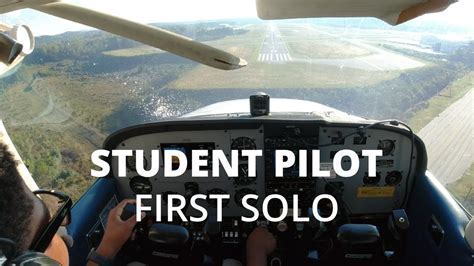
The Requirements for Solo Flight: A Critical Evaluation
The first step toward solo flight is a deep understanding of the regulatory requirements that students must meet. According to FAR Part 61.87, a student must demonstrate the following to be eligible for solo flight:
- Knowledge of Flight Rules: A student must be well-versed in the general operating rules found in FAR Part 91, covering airspace regulations, emergency procedures, and flight limitations.
- Aircraft Familiarity: Students need to be familiar with the specific make and model of the aircraft they will fly, including its unique handling characteristics, emergency procedures, and system operations.
- Pre-Solo Testing: To ensure a student’s readiness, they must pass written tests that assess their understanding of these rules and the specifics of their chosen aircraft.
- Proficiency in Maneuvers: Before taking to the skies alone, students must demonstrate proficiency in essential flight maneuvers, including smooth takeoffs, landings, and stalls.
- Instructor Evaluation: Finally, the decision to allow a student to fly solo rests on the instructor’s judgment. It is their responsibility to ensure the student is capable of managing the aircraft safely without the aid of an instructor.
Once all these requirements are met, the stage is set for the first solo flight.
The Moment of Truth: Taking Off Alone
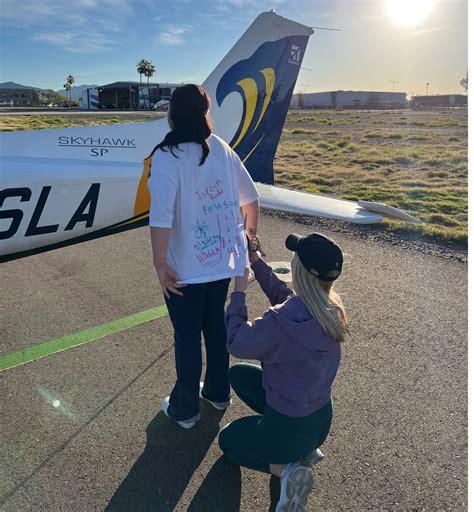
The day of a student’s first solo flight is a momentous occasion. It is an exhilarating experience that marks the transition from being a novice to a self-sufficient pilot. Flying solo gives a student the opportunity to put into practice everything they have learned, from takeoff procedures to landing techniques. The feeling of independence is palpable, as the student no longer has an instructor beside them, offering guidance or reassurance.
Before the flight, the instructor will conduct a final briefing to ensure that the student understands the specific tasks at hand and the expectations for the flight. The student will also review their preflight checklist, ensuring all systems are operational and that the aircraft is ready for takeoff. The final test is often accompanied by a few last words of encouragement from the instructor, reminding the student to stay calm and focused.
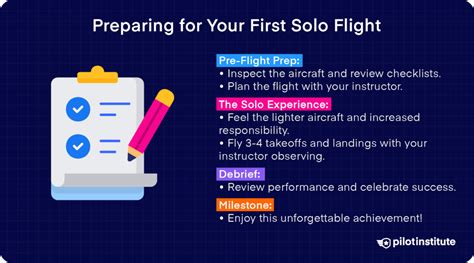
Once airborne, the student will typically complete a few basic maneuvers and land back at the airport. While the experience may seem brief, it is incredibly significant for a student’s development. Not only does it demonstrate their ability to fly solo, but it also helps the student understand their strengths and weaknesses, which can be addressed during follow-up training sessions.
What Happens After the First Solo Flight?
After completing the first solo flight, the student’s journey as a pilot is far from over. In fact, this is just the beginning of a new phase in their training. The student will likely feel a sense of accomplishment and newfound confidence, but there are still challenges ahead. The first solo flight provides valuable insights that help both the student and the instructor identify areas of improvement.
- Self-Reflection: After the solo flight, the student will have the opportunity to reflect on their performance, discussing any challenges they faced with their instructor. This feedback loop is crucial for continued growth.
- Continued Practice: Following the solo flight, the student will often return to the aircraft for more solo practice flights, honing their skills and building confidence. This practice is essential before advancing to more complex maneuvers and longer cross-country flights.
- Instructor Feedback: Instructors will debrief the student after each solo flight, offering constructive feedback and addressing areas for improvement. This helps the student refine their techniques and develop a deeper understanding of the aircraft’s capabilities.
- Completion of Training: As the student continues to demonstrate their proficiency and gains further experience, they move closer to completing their training and ultimately obtaining their Private Pilot Certificate.
Why the First Solo Flight is Important
A student’s first solo flight is not just a rite of passage in their training; it also holds significant personal and professional value. For many students, this flight symbolizes their independence as a pilot and serves as a reminder of the hard work and dedication that has gone into their training. It instills a sense of self-reliance and confidence, qualities that are critical for a successful flying career.
Moreover, the first solo flight allows the student to experience the aircraft on their own, which is invaluable for learning how to manage flight stress and handle emergency situations. The lessons learned during this flight will serve as a foundation for the student’s future aviation endeavors, including obtaining additional ratings, becoming a flight instructor, or pursuing a career in commercial aviation.
Conclusion: The Path to Becoming a Pilot
In conclusion, a student’s first solo flight is a defining moment in their aviation journey. It is an important rite of passage that marks their transition from a learner to a practicing pilot. The flight not only reinforces their existing skills but also provides an opportunity for growth and improvement. As they continue their training and gain experience, students will find that the lessons learned during their first solo flight are crucial for becoming a successful pilot.
At Phoenix East Aviation, we are committed to helping students achieve their dreams of becoming licensed pilots. Whether it’s preparing for your first solo flight or taking the next step in your aviation career, we are here to provide the training, resources, and support you need.
If you are ready to take your first step towards the skies, contact us today to learn more about our aviation training programs. The sky’s the limit!