Navigating airport security can already be stressful, but when Transportation Security Administration (TSA) officers misapply their own rules, that stress can quickly escalate into frustration and confusion. Understanding your rights, knowing the regulations, and being prepared to advocate for yourself are essential to ensure fair and lawful treatment at security checkpoints.
Understanding TSA’s Liquid Rules and Medical Exemptions
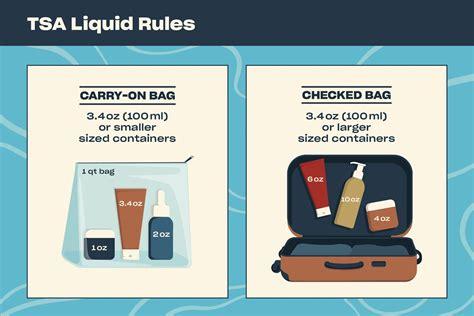
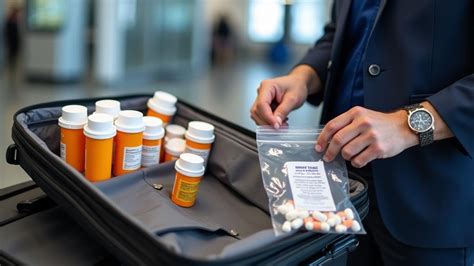
The TSA’s 3-1-1 liquids rule is widely known: passengers may carry liquids, gels, and aerosols in containers of 3.4 ounces (100 milliliters) or less, all stored in a single quart-sized zip-top bag. However, this rule has clear exceptions for medically necessary liquids, which include prescription creams, ointments, and yes — even toothpaste.
In one reported incident, a traveler had her 3.4 fl oz prescription toothpaste confiscated by a TSA officer who wrongly claimed that such items are only permitted if needed during the flight. This is inaccurate. According to the TSA’s own policy, prescription items, especially those labeled and in reasonable quantities, are always permitted in carry-on baggage.
Travelers are not obligated to disclose how or when they will use the item during the flight. These regulations are designed to account for delays, detours, or other travel circumstances where access to medications at any point may become critical. Importantly, travelers are advised to never check prescription medications, as lost or delayed luggage could put their health at risk.
What to Do When TSA Agents Misapply the Rules
When faced with a TSA officer who incorrectly denies a permitted item, it’s crucial to know how to respond in a way that protects your rights without escalating the situation unnecessarily.
- Do not argue. Instead, politely and calmly request to speak with a Supervisory Transportation Security Officer (TSO) or screening manager. Supervisors often have greater training and authority to resolve misunderstandings.
- Do not surrender the item if it’s allowed under TSA guidelines. Once you agree to discard it, your options are significantly reduced.
- Have documentation ready. Bring printed copies of the relevant TSA policies or save them offline. Official sources include:
- TSA Medically Necessary Liquids Policy
- TSA Disability Notification Card
- If a situation escalates, film the interaction if permitted by local airport rules, especially if you suspect discrimination or misconduct.
Common Incidents and How to Prepare
Travelers have recounted a variety of frustrating interactions, often stemming from poor training or misunderstanding of TSA rules. These include:
- A traveler forced to discard prescription toothpaste despite meeting the size limit and having proper labeling.
- A TSA agent who confiscated baby formula, falsely claiming it wasn’t allowed, and only relented after the passenger involved a supervisor.
- A person carrying wet wipes was told they were illegal, even during a pandemic. The traveler showed the official TSA webpage and filed a formal complaint after the agent refused to listen.
- A passenger with injection medication and syringes was confronted aggressively until paperwork was shown, instantly defusing the situation.
These anecdotes underscore the need for self-advocacy and documentation. Be prepared to present your case professionally, and request that a TSA Passenger Support Specialist assist if your condition warrants additional support.
Dealing with Profiling and Discrimination
Numerous accounts suggest that some passengers are subjected to additional scrutiny based on appearance, religious attire, or medical equipment. For instance, one woman who wears a hijab reported consistent extra screening, hair pat-downs, and even being walked by a dog in public view. While TSA claims that all screenings are based on scanner alerts or random checks, patterns of repeated selection raise questions.
TSA guidelines state that religious garments like hijabs may trigger alarms in body scanners, but travelers can request a private screening if they prefer not to be searched in public. Furthermore, dogs used in checkpoints are trained for explosives, not narcotics — despite the public’s frequent misperception.
When such patterns persist, it is within your rights to:
- Request a private room for additional checks.
- Ask for a supervisor if you feel targeted.
- File a formal discrimination complaint on the TSA website.
Training Gaps and Officer Discretion
Several incidents highlight an unfortunate reality: inconsistent training among TSA agents often results in unnecessary confrontations. One officer wrongly stated that a 100 ml perfume couldn’t be taken on board because it “looked too large,” while another told a passenger that liquid volume couldn’t be trusted based on bottle labeling. A supervisor later intervened, allowing the item to pass.
While TSA rules are public, officer discretion remains a critical factor. The final authority at the checkpoint rests with the supervising TSO, which makes knowing your rights and calmly escalating essential.
Tips from TSA Insiders and Experienced Travelers
A former TSA screener shared valuable advice for travelers carrying prescription or medical items:
- Ask your pharmacist to label all medical products, even items like prescription toothpaste.
- If you travel with multiple liquids (e.g., baby formula, nutritional supplements, sanitizers), carry printed justifications for quantities, especially for long trips.
- Travelers going to remote locations — such as a family flying to Congo with weeks of baby formula — were allowed large volumes when the medical need was clear.
- Carry and present the TSA Disability Notification Card to facilitate smoother conversations.
Such preparation not only prevents misunderstandings but also empowers travelers to correct misinformation diplomatically.
Why Documentation Matters More Than Debate
While it may be tempting to argue, especially when you know you are right, doing so rarely produces favorable outcomes at security checkpoints. In one documented case, a passenger calmly presented the TSA-approved list when questioned about wipes. The agent dismissed it, but the passenger escalated loudly and publicly, leading to an apology from a supervisor.
In another instance, a traveler who attempted to bring a sidearm in a locked case (as permitted by law in checked baggage) encountered resistance from an officer. A supervisor, upon reviewing the situation, confirmed everything was textbook legal and allowed it to proceed.
Such examples demonstrate that documentation, not confrontation, is your best defense. When dealing with TSA officers who lack complete knowledge of the rules, printed policies, prescription labels, and calm persistence usually turn the tide.
Filing Complaints and Following Up
If you believe you were treated unfairly or TSA officers violated their own rules, you are entitled to file a formal complaint. Doing so not only helps address your case but can improve training and accountability across the agency.
Submit complaints through the official TSA contact center:
When filing a complaint, be specific:
- Include your flight date, airport, checkpoint location, time, and names (if available).
- Describe the incident clearly and professionally.
- Attach supporting documentation such as receipts, labels, or photos.
Travelers are also encouraged to follow up if they notice recurring patterns of misconduct. Repeated complaints over time can spark internal reviews, lead to additional training, and potentially prevent similar issues for future passengers.
Final Thoughts: Know Your Rights, Prepare for Missteps
TSA’s job is difficult, but that does not excuse misapplication of their own rules. Being informed, composed, and assertive is the most effective way to safeguard your rights at the airport. Travelers — especially those with medical needs or culturally significant attire — face enough hurdles without having to correct the people tasked with their security.
Whether it’s prescription toothpaste, labeled injections, or baby formula, if your items are allowed by TSA policy, you have the right to carry them. Be ready to request a supervisor, show proper documentation, and file formal reports when necessary. These steps, while inconvenient, help create a more accountable and fair security process for all.