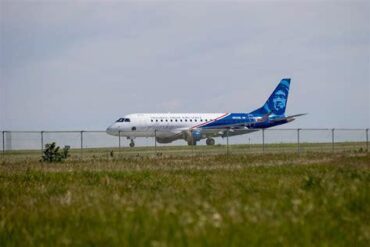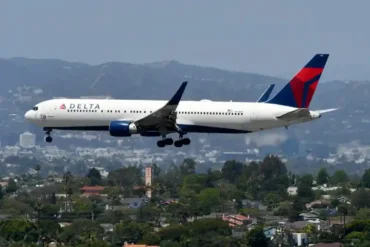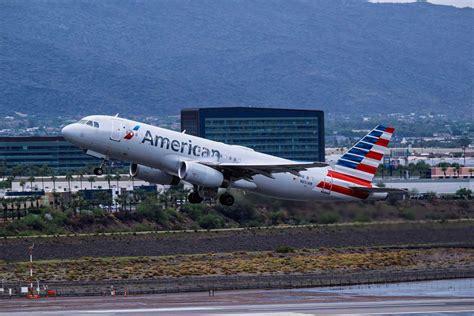
The U.S. Department of Transportation (DOT) has officially declared that passengers impacted by the widespread Airbus A320 grounding are not entitled to compensation, triggering a new wave of frustration for travelers already reeling from holiday travel chaos.
This directive comes in the wake of a sudden and urgent software vulnerability discovered in the Airbus A320 family, which led to hundreds of cancellations and delays during the peak Thanksgiving travel season. The grounding was prompted by a midair incident on a JetBlue flight, where solar radiation was identified as the root cause of a critical onboard system failure.
DOT’s Justification: Emergency Maintenance Excluded From Compensation
On December 9, the DOT released a notice clarifying that the disruptions caused by this grounding do not meet the criteria for airline-controlled events that would require passenger compensation. The key legal basis lies in the categorization of the grounding as a response to an “emergency airworthiness directive”—a classification that absolves airlines from offering customer service entitlements such as hotel stays, meals, or vouchers.
“Cancellations or lengthy delays resulting from unscheduled maintenance in response to an airworthiness directive that cannot be deferred… are not due to circumstances within airline control,” the DOT clarified.
This means that even if a flight was canceled minutes before boarding, as long as it stemmed from compliance with the Federal Aviation Administration (FAA) directive, airlines are under no obligation to compensate.
JetBlue Incident Triggers Global A320 Grounding
The chain of events began on October 30, 2025, when a JetBlue A320 operating from Cancún International Airport (CUN) to Newark Liberty International Airport (EWR) experienced a terrifying, uncontrolled descent from 35,000 feet to 18,000 feet in just five minutes.
Investigators linked the incident to a solar flare that interfered with the aircraft’s elevator aileron computer, a critical component responsible for pitch control. The plane was forced to make an emergency landing in Tampa, and three passengers were injured, reportedly due to lacerations sustained during the descent. This unprecedented incident immediately caught the attention of aviation regulators, who determined that solar radiation had triggered a rare and dangerous glitch in the flight control system.
Global Impact: 6,000 Aircraft Grounded
On November 28, Airbus issued a sweeping order to ground thousands of A320 family aircraft globally, amounting to about half of all A320s in operation. This directive affected both domestic U.S. carriers and major international airlines. The software fix required to address the solar flare vulnerability was quick for some, but for others, fleet-wide updates resulted in severe schedule disruptions.
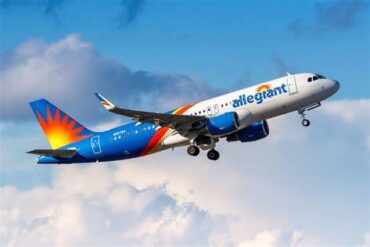
American Airlines, for instance, initially reported that 340 aircraft were affected. While the number was later revised to 209, the operational ripple effect was significant. Airlines such as easyJet managed to restore services rapidly by completing overnight updates, but others struggled with rebooking and logistics during one of the busiest travel periods of the year.
Why Solar Radiation Poses a Hidden Threat
The incident has drawn rare public attention to the risks posed by solar flares to modern aircraft. During periods of intense solar activity, charged particles can penetrate aircraft shielding and corrupt onboard systems. In this case, the flight control software misread critical data, resulting in automatic input errors that nearly led to disaster.
“What’s alarming is not just the failure itself, but how little margin of error we have when solar radiation interferes with flight-critical systems,” remarked an FAA official under anonymity.
Passenger Outrage Grows Despite Regulatory Clarity
For thousands of passengers who faced canceled holiday plans, overnight airport stays, and missed family gatherings, the DOT’s ruling offers little comfort. Many expected compensation, especially given the scale of the disruption. However, the clear distinction between “airline-controlled” disruptions and those mandated by safety regulators leaves no legal room for recourse.
This event underlines a stark reality in commercial aviation: emergency safety actions, even those causing massive inconvenience, fall outside of airline accountability for compensation purposes. While most major carriers attempted goodwill gestures such as free rebooking, these were voluntary, not mandatory.
The Bigger Picture: Lessons for Passengers and Airlines Alike
The Airbus A320 grounding raises fundamental questions about aviation’s resilience to cosmic phenomena and the complex balance between safety and service expectations. It also highlights the legal nuances that govern compensation—a topic that many travelers remain unaware of until disruption strikes.
As software becomes increasingly embedded in aircraft operations, experts warn of the need for more robust protections against rare but potentially catastrophic influences like solar radiation. Meanwhile, passengers may be left with no option but to hope that airlines will act out of goodwill, rather than legal obligation, when the next crisis hits.