Air travel today revolves around battery-powered devices, from smartphones and laptops to power banks and cameras. Yet behind this everyday convenience lies a serious safety concern: lithium battery fires. That’s why both the Transportation Security Administration and the Federal Aviation Administration enforce strict, non-negotiable rules governing what you can bring onboard.
Understanding these regulations is not just about avoiding inconvenience at security checkpoints—it’s about preventing potentially catastrophic onboard incidents. Lithium batteries, when damaged or improperly stored, can trigger thermal runaway, a chain reaction that leads to intense heat, fire, and even explosions in confined aircraft cabins.
Why Lithium Batteries Are Regulated in Aviation
Lithium-ion and lithium-metal batteries store a high amount of energy in compact spaces. While efficient, they are also inherently volatile under stress conditions such as overheating, physical damage, or short circuits. In an aircraft environment, where immediate emergency response options are limited, this risk is magnified.
Airlines and regulators therefore prioritize containment and accessibility. Fires originating from batteries must be quickly identified and managed, which is why many rules focus on keeping these items within reach—in the cabin, not buried in cargo holds.
Carry-On Rules for Power Banks and Spare Batteries
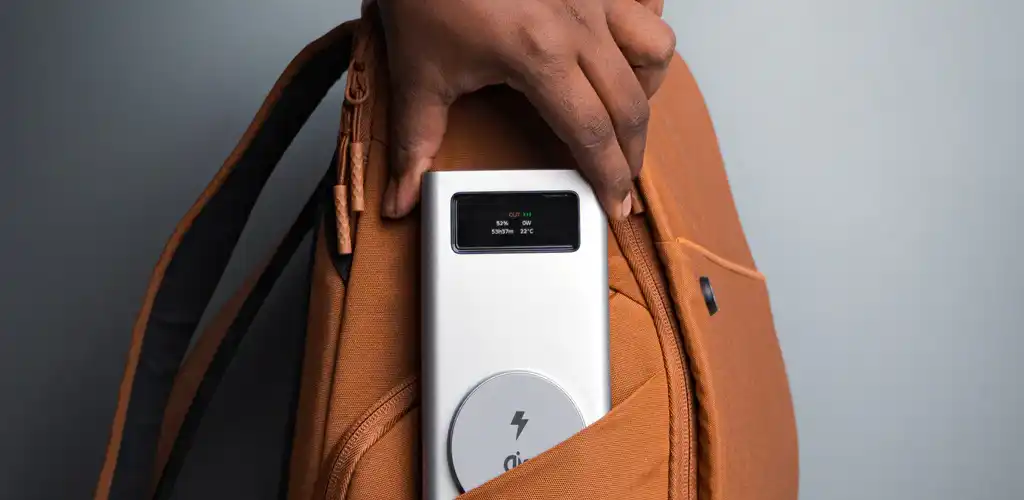
The most strictly enforced regulation is simple: spare or uninstalled batteries are only allowed in carry-on luggage. This includes:
- Power banks
- Loose lithium-ion camera batteries
- Battery cases for smartphones
Checked baggage is strictly off-limits for these items. If your carry-on is unexpectedly checked at the gate, you are required to remove all spare batteries immediately and keep them with you in the cabin.
Capacity limits further define what is acceptable:
- Batteries under 100 watt-hours (Wh) are allowed without restriction in quantity, provided they are for personal use.
- Batteries between 101Wh and 160Wh require airline approval, and you are limited to two units per passenger.
- Anything above 160Wh is completely prohibited, regardless of circumstances.
This range covers nearly all consumer electronics. High-capacity industrial batteries or specialized equipment typically exceed this threshold and are not permitted onboard.
How to Calculate Battery Capacity Correctly
Not all batteries clearly display their watt-hour rating. Many list capacity in milliampere-hours (mAh) or ampere-hours (Ah) instead. Converting this value is critical to determine compliance.
The formula is straightforward:
Watt-hours (Wh) = Ampere-hours (Ah) × Voltage (V)
For example, a 5Ah battery at 20V equals 100Wh, placing it right at the unrestricted threshold. This simple calculation can prevent confusion—and potential confiscation—at airport security.
Rules for Devices With Built-In Batteries
Unlike spare batteries, devices with integrated batteries—such as laptops, tablets, and smartphones—have more flexibility. These can be carried in both checked and carry-on luggage, but with important caveats.
Carrying them in your cabin bag is strongly recommended. If you choose to place them in checked baggage, they must be:
- Completely powered off
- Protected from accidental activation
- Safely packed to prevent damage
Devices capable of generating significant heat should have their batteries removed if possible before being checked in.
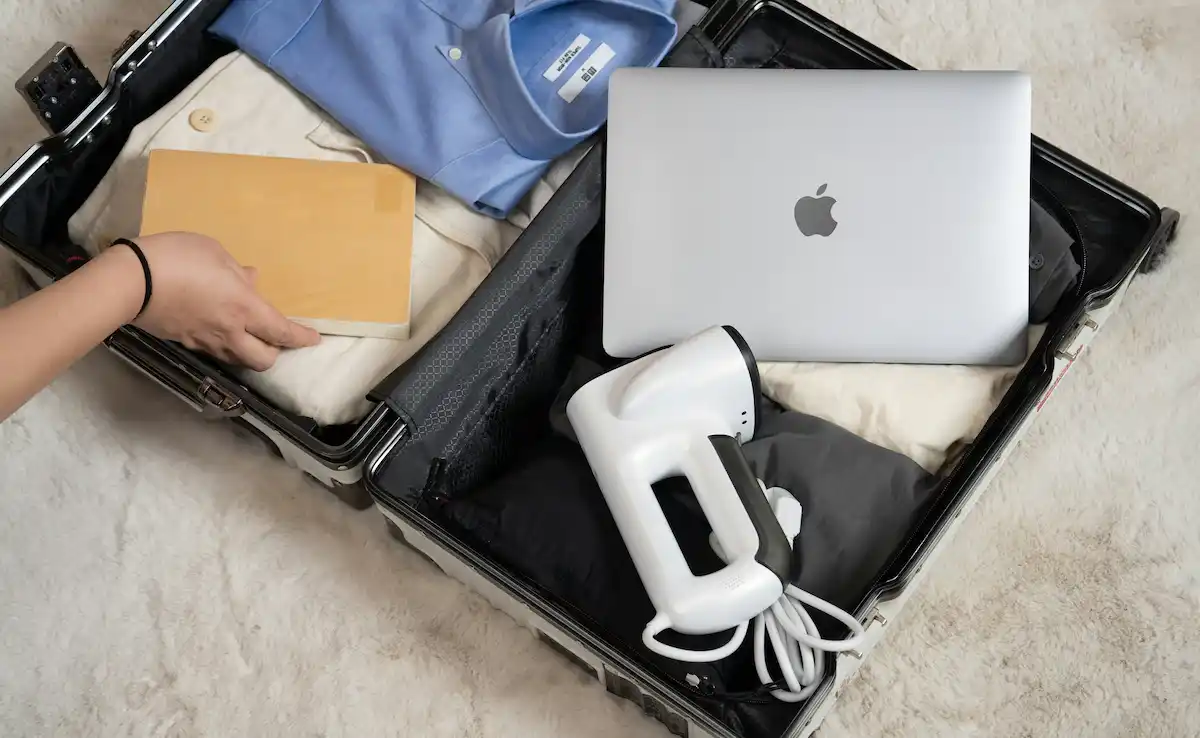
Although permitted in checked luggage, the same capacity rules apply. Devices must remain within the 100Wh standard limit, unless airline approval is granted for larger batteries.
Strict Restrictions on E-Cigarettes and Vaping Devices
Electronic cigarettes and vaping devices fall into a separate, tightly controlled category. These devices are strictly prohibited in checked baggage due to their heating elements and battery risks.
They must be carried:
- On your person or in your carry-on bag
- With batteries properly secured or removed
- Protected from accidental activation
This rule is consistently enforced worldwide, reflecting the higher risk associated with these devices compared to standard electronics.
Personal Use vs Commercial Intent
Another often overlooked rule is intent. All batteries carried onboard must be for personal use only. Transporting batteries for resale, distribution, or commercial sampling is not allowed under standard passenger regulations.
This distinction matters. Even compliant batteries can be confiscated if security personnel suspect they are being transported in bulk for business purposes.
The Bottom Line: Compliance Equals Safety and Convenience
Battery regulations may seem technical, but they follow a clear principle: minimize risk while maintaining accessibility. Keeping spare batteries in your carry-on ensures that any malfunction can be quickly addressed. Limiting capacity reduces the severity of potential incidents.
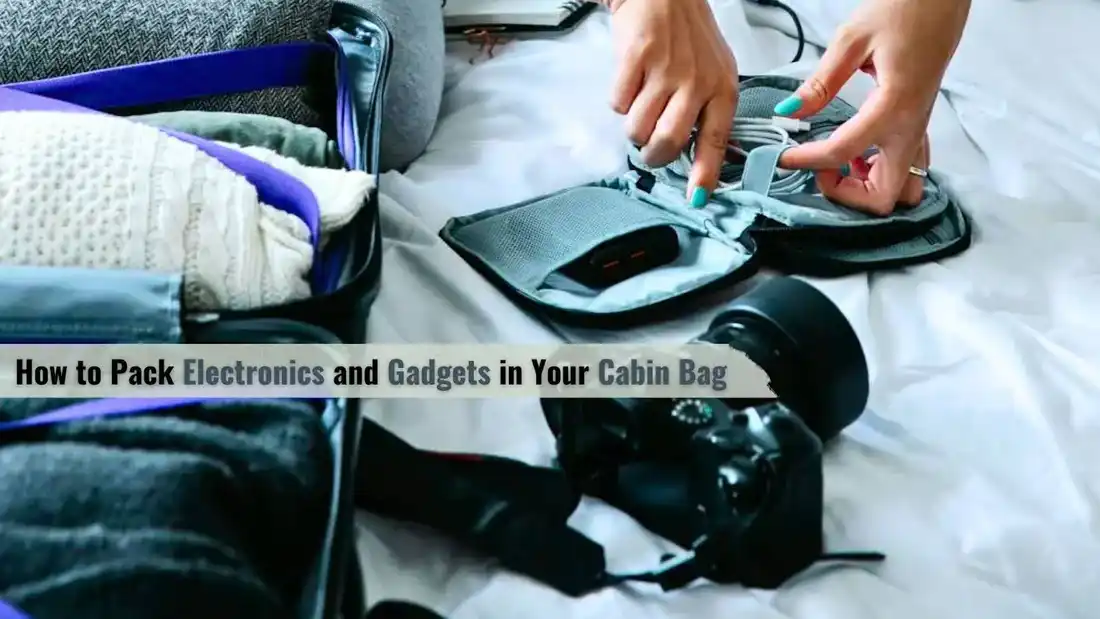
Ignoring these rules can lead to delays, confiscated items, or even denied boarding. Following them, on the other hand, guarantees a smooth, stress-free airport experience while contributing to overall flight safety.
In an era where every traveler carries multiple battery-powered devices, understanding these guidelines is no longer optional—it’s essential travel knowledge.