Understanding Pilot Performed Preventive Maintenance
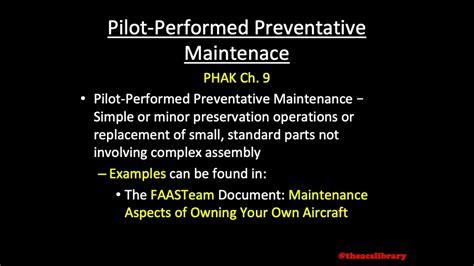
Pilot performed preventive maintenance refers to the category of mechanical tasks that a certificated pilot can legally carry out on an aircraft they own or operate under 14 CFR Part 43. These actions, although limited in scope, can significantly enhance operational readiness, reduce downtime, and build deeper mechanical understanding among pilots. Importantly, such maintenance is only permitted on aircraft not operating under commercial rules such as 14 CFR Part 121, 127, 129, or 135.
Preventive maintenance, by regulatory definition, includes a range of minor tasks that do not require complex assembly operations. The authority to carry out these actions extends to pilots certificated under 14 CFR Part 61, such as private and sport pilots, as long as the aircraft is used for non-commercial operations and the pilot is performing work on an aircraft they either own or directly operate.
This distinction is crucial because it ensures the integrity and safety of aircraft operating under stricter commercial guidelines, while still granting private operators a degree of autonomy over routine, non-critical upkeep.
Legal Foundation: 14 CFR 43 Appendix A, Part C
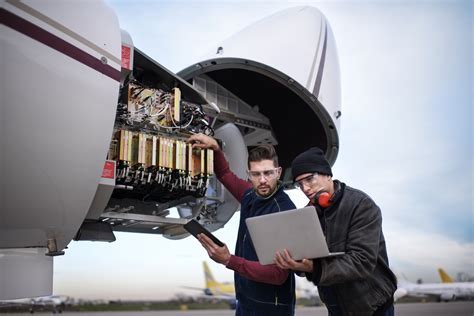
14 CFR 43 Appendix A, Part C outlines exactly what is allowed under preventive maintenance. The rule currently enumerates 31 specific tasks that a pilot may undertake, each carefully curated to avoid procedures that involve in-depth systems knowledge, critical tolerances, or specialized equipment.
Among the most common legally permissible tasks are:
-
Removing and replacing landing gear tires
-
Servicing landing gear wheel bearings, including cleaning and lubrication
-
Adding oil or air to landing gear shock struts
-
Replacing safety wires and cotter keys
-
Lubricating components that don’t require disassembly beyond removing non-structural parts like cowlings or fairings
-
Replenishing hydraulic fluid in the hydraulic reservoir
-
Replacing bulbs, lenses, and reflectors in position or landing lights
-
Replacing and servicing batteries
-
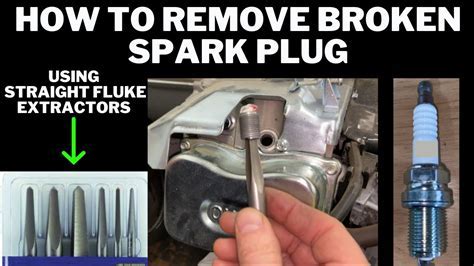
Replacing or cleaning spark plugs and setting gap clearances
-
Replacing safety belts or cowling that doesn’t involve flight control disconnects
Each of these items is relatively low risk and designed to allow pilots a hands-on role in their aircraft’s basic upkeep without compromising safety.
Safety and Skill: Should You Perform the Work?
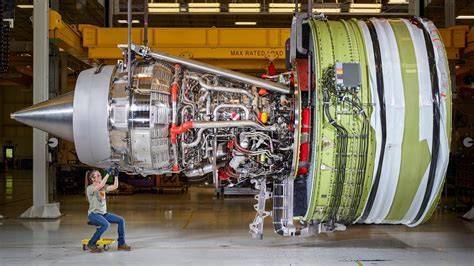
While regulations clearly outline what you can do, they are less prescriptive about whether you should. The FAA leaves significant discretion to the pilot by requiring that the individual must be capable of “performing the work satisfactorily and safely.”
This phrasing is deliberate. It places the burden of judgment and responsibility on the pilot, meaning that if something goes wrong, they are accountable—not only in terms of airworthiness but also from a regulatory and possibly liability standpoint.
For this reason, pilots lacking a strong mechanical background are encouraged to work under the supervision of an A&P (Airframe and Powerplant) mechanic before attempting independent work. Doing so builds both confidence and competence, ensuring that pilot maintenance remains an asset rather than a risk.
Documentation: Maintenance Logbook Requirements
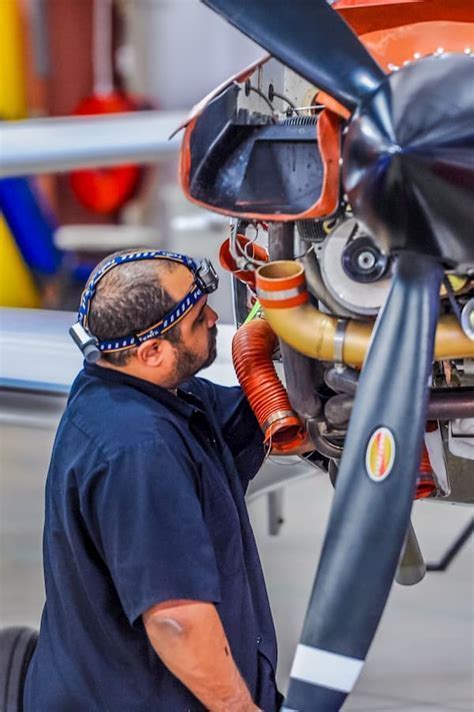
Every pilot-performed maintenance action must be documented properly in the aircraft’s maintenance logbooks. The FAA outlines very specific criteria for this process:
-
A description of the work performed, or a reference to manufacturer documentation or other acceptable data.
-
The date of completion.
-
The signature, certificate number, and type of pilot certificate held by the person who completed the task.
This entry serves as an official statement that the maintenance was done correctly and that the aircraft is ready for return to service—for that specific task only. Failure to document work properly can lead to compliance violations, even if the work itself was performed correctly.
Economic and Operational Benefits
Conducting preventive maintenance independently can offer significant benefits beyond mere convenience. First and foremost, it enhances aircraft reliability by addressing small issues before they evolve into safety-critical problems. Pilots who routinely inspect and maintain their aircraft become more attuned to mechanical anomalies, which leads to earlier detection of potential failures.
Additionally, there are cost savings involved. Basic services such as replacing spark plugs or lubricating joints can cost hundreds of dollars at maintenance shops. By doing these tasks yourself, you reduce recurring costs while maintaining control over scheduling and quality.
More subtly, hands-on work fosters a more intimate knowledge of your aircraft’s systems, leading to better inflight troubleshooting and decision-making.

Risk Considerations and Best Practices
Despite the advantages, pilot-performed maintenance is not without its risks. Mistakes—however minor—can lead to in-flight mechanical issues or non-compliance with FAA regulations. To mitigate such risks, pilots should consider the following best practices:
-
Always consult manufacturer manuals and FAA-approved data before performing any work.
-
Use torque wrenches, calibrated tools, and follow specified procedures precisely.
-
If uncertain, consult or shadow an A&P rather than guess.
-
Avoid performing maintenance under time pressure or without proper lighting and tools.
-
Keep a checklist to confirm steps and avoid omissions.
These measures ensure that pilot-performed preventive maintenance remains a net benefit and not a potential hazard.
Preventive Maintenance in the Broader Safety Culture
Pilots who take responsibility for their aircraft’s maintenance often become safer, more disciplined aviators. Understanding how systems interact—especially mechanical linkages, electrical circuits, and control surfaces—enhances decision-making during irregular operations. Moreover, this proactive engagement supports the broader goals of aviation safety culture by reinforcing habits of regular inspection, procedural discipline, and attention to detail.
From a regulatory perspective, pilot involvement in preventive maintenance also reflects the FAA’s trust in the competence and judgment of certificated pilots. That trust is not unconditional—it must be continuously earned through self-education, professionalism, and restraint when necessary.
When Not to Perform Preventive Maintenance
There are critical boundaries every pilot must observe. If a task involves flight control disconnection, structural modifications, or anything requiring complex assembly or specialized inspection tools, it is not preventive maintenance and should be handled by a certified A&P or maintenance facility.
Similarly, if the aircraft is operated under commercial conditions or is not owned or controlled by the pilot performing the work, then even the simplest task becomes unauthorized. The rule is clear: authorization depends on both the nature of the task and the context of the aircraft’s use.
Final Thoughts: Empowerment With Responsibility
In sum, pilot performed preventive maintenance is a powerful tool for increasing both airworthiness and pilot confidence. It enables greater self-sufficiency, strengthens the relationship between pilot and machine, and aligns with the FAA’s broader philosophy of shared safety responsibility.
However, this empowerment comes with the expectation of professionalism. Know your limits. Document your work. Seek guidance when needed. In doing so, you’ll uphold the standards of aviation safety while benefiting from the unique privileges of a certificated pilot.
Frequently Asked Questions (FAQ)
What qualifications do I need to perform preventive maintenance as a pilot?
You must hold a pilot certificate issued under 14 CFR Part 61, such as a private or sport pilot license, and the aircraft must be owned or operated by you. The aircraft must not be used in commercial operations under Parts 121, 127, 129, or 135.
What if I make a mistake during maintenance?
If you are uncertain about your work or identify an error, you should have the aircraft inspected by a certified A&P mechanic. Never attempt to fly an aircraft unless you are certain of its airworthiness after your work. Mistakes, if undocumented or incorrectly corrected, can lead to compliance issues or mechanical failure.
Is logging maintenance in the aircraft logbook mandatory?
Yes. Every instance of pilot-performed preventive maintenance must be recorded in the aircraft’s logbook, including a description of the work, date of completion, and your signature, certificate number, and type of certificate held. This is a legal requirement under FAA regulations.