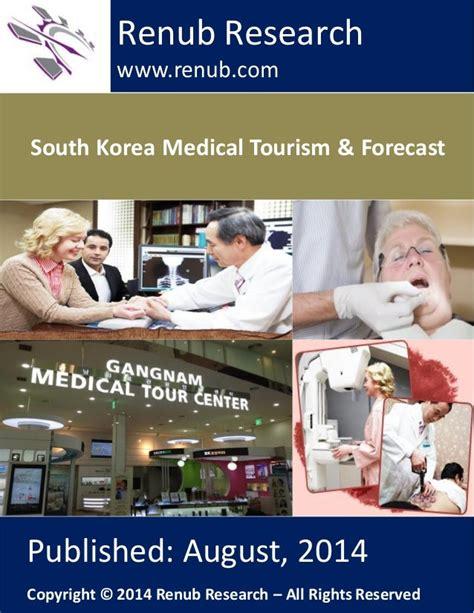
The landscape of medical tourism has been dramatically reshaped in recent years, particularly in South Korea, where a remarkable surge in international patient arrivals is transforming the country into a leading global healthcare destination. In 2024, South Korea welcomed approximately 1.17 million foreign medical travelers, nearly doubling the 610,000 seen in the previous year. This figure marks a staggering 140 percent increase from the 490,000 recorded in 2019, prior to the COVID-19 pandemic, indicating not only a recovery but an explosive growth trajectory that is capturing the attention of healthcare analysts worldwide.
This growth is significantly driven by patients from Mongolia and Russia, who are increasingly seeking advanced medical care and life-saving treatments that may be unavailable or less effective in their home countries. The demand for complex procedures such as organ transplants, oncology treatments, and specialized cardiac care is at an all-time high, reflecting a shift in the types of services sought by international patients. With South Korea’s reputation for precision, cutting-edge technology, and shorter wait times, it is no wonder that patients from these nations are turning to its healthcare system in record numbers.
Success Stories Highlighting Advanced Treatments
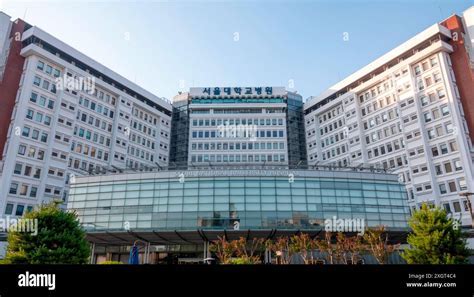
Recent success stories underscore the critical role South Korea plays in providing life-saving medical interventions. In January 2024, for instance, a liver transplant was successfully performed at the Seoul Asan Medical Center for a Mongolian patient suffering from severe complications due to hepatitis D. This groundbreaking procedure, made possible by a family donor, marked a significant recovery milestone for the patient and reflects the advanced capabilities of South Korean healthcare institutions.
Similarly, a young child from Russia traveled to South Korea after local treatments failed to improve a malignant brain tumor. The child underwent advanced proton therapy at one of the country’s leading medical centers, demonstrating the appeal of South Korea as a destination for complex, high-stakes medical procedures. These cases exemplify the urgent need for specialized care that South Korea is well-positioned to provide.
A Surge in Healthcare Expenditures
The financial implications of this growing medical tourism industry are profound. Between January and May of 2024, foreign medical expenditures reached 714.5 billion won, representing a staggering 74.9 percent rise from the 408.4 billion won during the same period last year, according to data from the Korea Tourism Organization. The total number of medical payment transactions surged by 50.5 percent, climbing from 991,057 to 1,492,354, while the average amount spent per transaction increased by 16 percent, from 412,000 won to 478,000 won. This rise is not solely attributed to the need for high-quality healthcare but is also influenced by the global allure of Korean culture—including K-pop, Korean dramas, and cuisine—enhancing the country’s image as a holistic destination for both wellness and complex medical treatments.
Changing Demographics of Medical Tourists
While South Korea has long been recognized for its excellence in cosmetic surgery and dermatology, particularly among patients from Japan and China, recent trends indicate a notable shift in the demographics and motivations of international patients. Patients from Mongolia and Russia are increasingly arriving for treatments related to serious and life-threatening conditions. The focus on internal medicine, especially for cancer treatments, organ transplants, and cardiovascular procedures, is indicative of this new wave of medical tourists seeking solutions for complex health issues.
In contrast to earlier years when international patients primarily sought wellness checks or cosmetic enhancements, hospitals across South Korea are now experiencing a noticeable rise in foreign patients requiring intensive and specialized treatments. This evolving trend not only highlights the changing landscape of medical tourism but also reinforces South Korea’s position as a global leader in delivering life-saving care.
Strategic Investments in Medical Tourism
Healthcare analysts have noted that South Korea’s strategic investment in medical tourism is expanding the country’s reach beyond traditional markets. As patients from Mongolia, Russia, Central Asia, and Southeast Asia increasingly seek advanced medical care, South Korea is responding with dedicated resources and infrastructure to accommodate this growing demand. Major medical centers are enhancing their international patient services, establishing dedicated teams to assist with every aspect of care—from initial consultations to appointment scheduling, airport transfers, and language interpretation.
As hospitals scale up their international patient services, they are increasingly hiring multilingual coordinators specializing in supporting patients from specific nationalities, particularly those from Mongolia and Russia. The presence of culturally aware staff who can bridge communication gaps and manage logistical details contributes significantly to patient satisfaction and continuity of care. This commitment to enhancing patient experiences is vital for attracting and retaining international patients, especially those seeking advanced procedures.
Recognition for Excellence in Specialized Care
South Korea’s healthcare system continues to earn international accolades for its excellence across critical medical disciplines. In the 2025 Asia-Pacific Best Specialized Hospitals list compiled by Newsweek, nine South Korean hospitals secured top positions in six out of nine categories. This recognition underscores the country’s strong performance in vital areas such as oncology, cardiology, and endocrinology, solidifying its reputation as a leader in specialized care.
One key factor driving the steady rise in international patient numbers is the emphasis placed on treatment quality and clinical outcomes. Many foreign patients prioritize hospitals with proven success rates and world-class service. In some cases, patients who initially consider other countries for care, such as Turkey or Israel, ultimately choose South Korea after comparing medical technologies and success statistics.
A Bright Future for Medical Tourism
As international awareness of South Korea’s healthcare capabilities continues to grow, the forecasts for 2025 remain optimistic. Experts project that the number of international patients could climb to 1.5 million, fueled by sustained interest from non-traditional markets and a broadening demand across various medical specialties. With comprehensive care coordination, cutting-edge treatment options, and an unwavering commitment to excellence, South Korea is poised to remain a top choice for global patients in search of both essential and advanced healthcare services.
In summary, the influx of patients from Mongolia and Russia seeking advanced medical care is reshaping South Korea’s medical tourism landscape. As the country solidifies its position as a global hub for advanced medical care, the dual appeal of cultural soft power combined with medical expertise continues to attract an increasing number of international patients, reinforcing its standing as a leader in life-saving treatments and specialized healthcare.