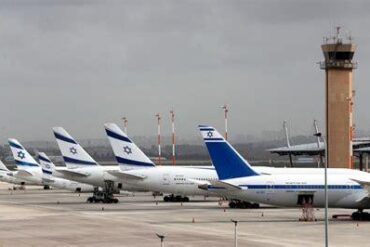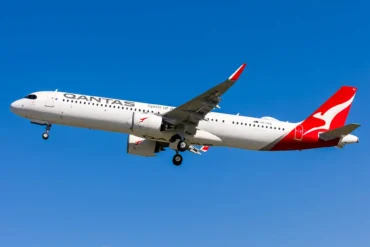
As the world steadily recovers from the aftermath of the COVID-19 pandemic, encouraging news has emerged for travellers and airlines alike. According to data released on June 27, 2025, by the International Air Transport Association (IATA) — the global airline trade association recognized by civil aviation authorities and governments — global air travel demand rose by 5.2% in May 2025 compared to the same period last year. The significant boost was largely driven by robust growth in the Asia-Pacific and Middle East regions, both of which have played a central role in reviving international aviation. The rebound is not just a statistic; it reflects millions of people reconnecting with family, exploring new cultures, and reigniting global business ties. From bustling airports in Tokyo and Bangkok to transit hubs in Dubai and Doha, the pulse of international travel is strengthening.
Strong International Passenger Traffic Driving the Recovery
As per IATA’s May 2025 traffic results, the surge is primarily attributed to international passenger demand, which rose by 14.6% year-on-year. The Asia-Pacific region witnessed the highest growth at 27.0%, followed by the Middle East at 9.7%. These numbers indicate a strong recovery trajectory in long-haul and regional international travel. Domestic air travel, however, remained relatively flat, with a decline of 4.8% in total revenue passenger kilometers (RPKs), a key metric used by IATA to measure air travel demand. This domestic downturn was particularly influenced by a sharp 26.6% decline in China’s domestic traffic, stemming from temporary regulatory or economic challenges.
Asia-Pacific Powers Ahead: The Travel Renaissance
Airlines in the Asia-Pacific region, including countries like Japan, South Korea, India, and Australia, experienced the largest rebound. According to IATA, this region is benefiting from a combination of strong outbound travel demand and improved intra-Asia connectivity. Japan’s tourism agency reported increased international arrivals and outbound movements, a sign of renewed confidence among travelers. The region’s growth also reflects recent liberalization of air routes and strategic investments in aviation infrastructure. The opening of new international routes and improved visa facilitation in countries like Thailand and Malaysia further contributed to the upswing.

Middle East Emerges as Key Global Transit Hub
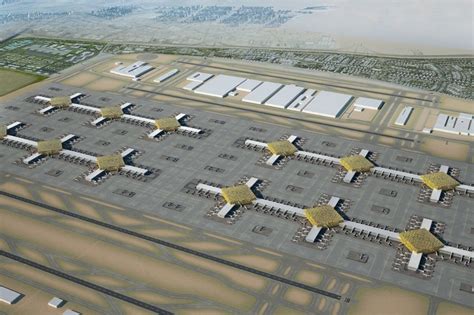
The Middle East, particularly the Gulf states of the UAE and Qatar, continues to establish itself as a strategic global transit corridor, connecting Europe, Africa, and Asia. Airlines such as Emirates, Qatar Airways, and Etihad have significantly contributed to international travel growth, aided by fleet expansion and seamless connectivity through hub airports like Dubai International Airport (DXB) and Hamad International Airport (DOH). The General Civil Aviation Authority (GCAA) of the UAE recently highlighted that UAE carriers handled a record number of international passengers in the first half of 2025, underscoring the region’s growing prominence in post-pandemic aviation.
Global Airlines Operating Near Pre-Pandemic Levels
As per IATA Director General Willie Walsh’s official statement, “May was another month of strong passenger demand growth. Airlines are aligning capacity with demand and consumers are traveling in ever greater numbers.” Global air carriers collectively reported a load factor of 83.4%, reflecting a healthy balance between demand and supply. The recovery is broad-based, with North America, Europe, and Africa also contributing to international travel growth, though at slightly more moderate rates compared to Asia-Pacific and the Middle East.
What This Means for Travelers and Airlines
The continued resurgence in global air travel is a positive indicator for economies reliant on tourism, international business, and global trade. The uptick in demand also encourages airlines to restore more routes, improve services, and consider fleet modernization to meet sustainability goals set by various governments and global aviation bodies. Governments in regions leading the recovery, such as Australia’s Department of Infrastructure and Transport, India’s Ministry of Civil Aviation, and the Qatar Civil Aviation Authority, are focusing on strategic policy reforms, airport expansion, and digital travel facilitation to ensure sustained growth.
Looking Ahead
With summer travel in full swing and the Paris 2024 Olympic Games approaching, experts expect continued upward momentum through mid-2025. IATA projects that global passenger traffic could reach 99% of pre-pandemic levels by the end of the year, a remarkable feat considering the industry’s unprecedented challenges just a few years ago. Still, the industry faces ongoing headwinds such as high fuel prices, geopolitical tensions, and environmental concerns. IATA continues to advocate for sustainable aviation fuel (SAF) investments and international regulatory cooperation to ensure long-term viability.
A Reconnected World in the Making
From the crowded terminals of Singapore Changi to the busy tarmacs of Abu Dhabi, the renewed buzz in international air travel brings with it stories of reunions, adventures, and opportunities. The 5% global rise in demand this May is more than a number— it is a testament to the resilience of travelers and the aviation industry. As the Asia-Pacific and Middle East take flight at the forefront of global connectivity, the skies ahead look increasingly open, promising a world that is once again within reach for all.