Air Force One, the highly modified Boeing VC-25A used to transport the President of the United States, is set to make a brief stop at RAF Mildenhall in Suffolk, United Kingdom, as part of a larger journey to the Middle East. This visit, scheduled for late tonight, will see the iconic aircraft touch down in the UK for a rapid refueling stop before continuing its flight to Saudi Arabia, where a series of state visits await.
The Flight Path of a Presidential Aircraft
The journey, originating from Joint Base Andrews in Maryland, will cover a significant portion of the North Atlantic, culminating in a late-night landing at RAF Mildenhall at approximately 23:45 local time. After just an hour on the ground, the aircraft will depart at 00:45 on May 13th, heading toward King Khalid International Airport in Riyadh, Saudi Arabia. This rapid turnaround reflects the precise scheduling and security considerations that surround every Air Force One flight.
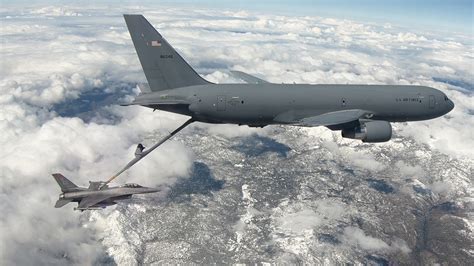
This stopover marks the first leg of a multi-nation tour that will also take the U.S. President to Qatar and the United Arab Emirates. According to sources, the President’s arrival in Riyadh is expected at 09:45 local time, where a series of diplomatic engagements will begin immediately upon arrival. This quick transit through Mildenhall underscores the logistical complexities involved in presidential travel, particularly when moving across multiple time zones and continents.
Why RAF Mildenhall?
The choice of RAF Mildenhall for this brief stop is not arbitrary. The base has long-standing ties to the United States, serving as a critical hub for U.S. military operations in Europe. With over 9,000 American military personnel stationed at Mildenhall and its nearby counterpart, RAF Lakenheath, the facility represents a crucial node in the transatlantic defense infrastructure. This close relationship dates back to the 1940s, reflecting decades of military cooperation and strategic alignment.
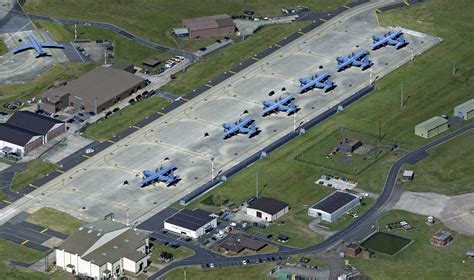
In addition to its strategic location, the base is well-equipped to handle the specific security and logistical needs of a high-profile aircraft like Air Force One. Its long runways, extensive refueling capabilities, and high-security perimeter make it an ideal choice for a rapid, secure refueling stop.
Airspace Restrictions and Security Precautions
In anticipation of the arrival, British authorities have issued a series of temporary flight restrictions around the base. According to the Air Navigation (Restriction of Flying) (Royal Air Force Mildenhall) Regulations 2025, these restrictions are designed to ensure the safety and security of the presidential entourage during its brief stay in UK airspace. These measures reflect the high-stakes nature of presidential travel, where airspace security is paramount to preventing potential threats.
This is not the first time such measures have been implemented at RAF Mildenhall. The base has a history of accommodating high-profile U.S. aircraft, including previous presidential visits and military operations. Former U.S. President Joe Biden made a similar stop at the base en route to the G7 Summit in 2021, while Donald Trump himself last visited the site in 2019 during a trip to Vietnam.
A Legacy of Strategic Cooperation
RAF Mildenhall’s role in U.S. military and diplomatic strategy goes far beyond serving as a refueling station. The base is home to a variety of critical U.S. Air Force units, including those responsible for intelligence gathering, aerial refueling, and special operations support. This long-standing partnership is a testament to the enduring military and diplomatic ties between the United States and the United Kingdom, forged through decades of shared strategic interests.
The Aircraft Behind the Call Sign
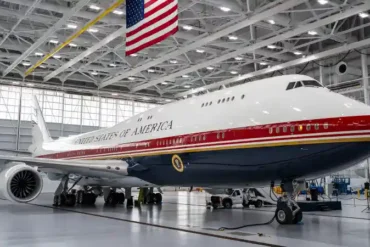
Air Force One is not a specific plane but rather a callsign used whenever the U.S. President is aboard an Air Force aircraft. In this case, the aircraft being used is a highly modified Boeing VC-25A, itself a derivative of the iconic Boeing 747-200. This quadjet is equipped with advanced communications systems, missile defense capabilities, and extensive onboard workspaces, allowing the President to maintain full command over national and international affairs while in the air.
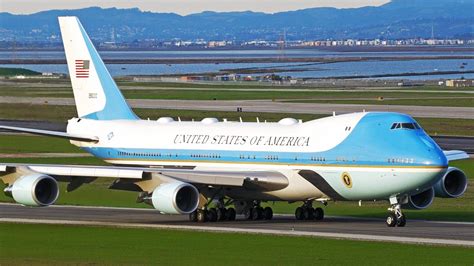
Interestingly, reports have emerged suggesting that the U.S. may soon acquire a new presidential aircraft, with the Qatari Royal Family potentially offering a Boeing 747-8 as a temporary replacement amid ongoing delays in the production of the next-generation VC-25B. This potential acquisition reflects the ever-evolving nature of presidential travel, where reliability, security, and global reach remain paramount considerations.
Conclusion
As the President’s tour through the Middle East begins, RAF Mildenhall will play a brief yet critical role in supporting this complex diplomatic mission. Its choice as a refueling point underscores the enduring military and political bonds between the United States and the United Kingdom, highlighting the base’s strategic importance in both peacetime and crisis.
With the eyes of the world on this high-profile journey, the brief stop at RAF Mildenhall will serve as a reminder of the intricate planning, precise timing, and international collaboration required to support modern statecraft and global diplomacy.