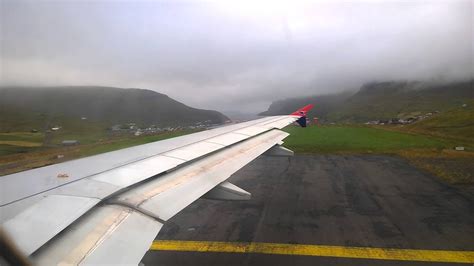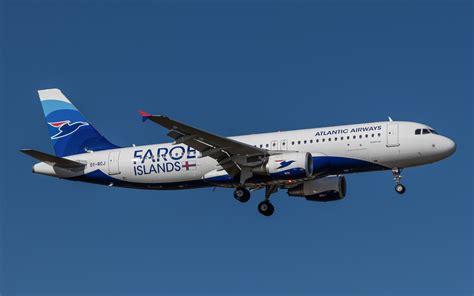
The dream of a direct aerial bridge connecting the rugged, mystical landscapes of the Faroe Islands with the bustling energy of the United States captured the imagination of many travellers. Atlantic Airways, the national airline of this North Atlantic archipelago, embarked on an ambitious venture to establish such a route, promising unprecedented access to one of Europe’s most enchanting and relatively untouched destinations. This initiative was met with considerable excitement, particularly from North American travellers eager to explore the dramatic cliffs, unique culture, and serene beauty of the Faroes without the customary layovers in continental Europe. However, this transatlantic aspiration proved to be a fleeting chapter in Atlantic Airways’ history, a tantalizing glimpse of what could have been, before operational and market realities led to its swift curtailment, leaving many to wonder about the complexities and challenges that grounded this promising connection.
The Allure of the Remote: Atlantic Airways’ Ambitious Leap Across the Pond
The Faroe Islands, a self-governing archipelago, part of the Kingdom of Denmark, are a cluster of 18 volcanic islands situated northwest of Scotland and halfway between Iceland and Norway in the North Atlantic Ocean. Known for their dramatic landscapes, grass-roofed houses, abundant birdlife including puffins, and a deeply rooted Norse heritage, they represent a unique and increasingly sought-after travel experience. For years, reaching this remote paradise from North America typically involved connecting flights through mainland European hubs like Copenhagen, Paris, or Reykjavik. The announcement of a direct service by Atlantic Airways, the Faroese flag carrier, to the United States was therefore a significant development, promising to slash travel times and simplify logistics for a growing number of interested American and Canadian tourists. The airline, operating primarily with a modest fleet tailored for European connections, viewed this as a bold step, potentially opening up a lucrative new market and further boosting the Faroese tourism industry. The excitement was palpable, as adventurers and cultural explorers envisioned a more straightforward path to the Faroes’ untamed beauty.
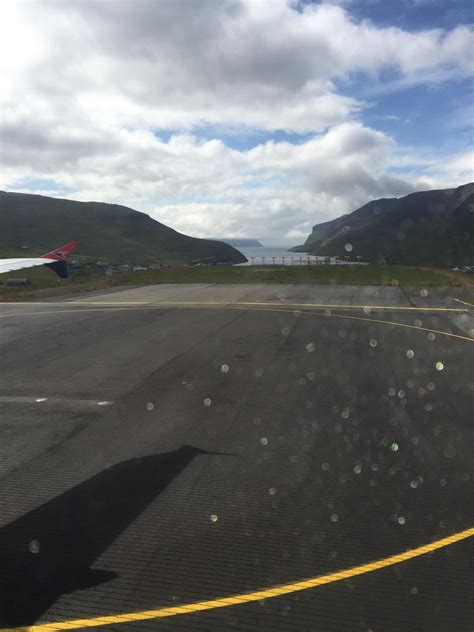
This transatlantic venture was not merely about adding another destination to a route map; it was a statement of intent, a testament to the growing global appeal of the Faroe Islands. It represented an opportunity to directly tap into the affluent North American travel market, which has shown a keen interest in unique, nature-focused, and less crowded destinations. The prospect of flying directly from the New York area to Vágar Airport (FAE), the sole airport in the Faroe Islands, was a game-changer for many. It promised to transform a potentially arduous multi-leg journey into a manageable single flight, making the Faroes accessible for shorter trips and appealing to a broader demographic of travellers who might have been deterred by complex itineraries. The anticipation built around this route underscored the unique selling proposition of the Faroe Islands: a European destination offering an experience vastly different from the continent’s bustling capitals, a haven of tranquility and raw natural splendour.
A Fleeting Dream: The Rise and Rapid Fall of Direct US-Faroe Islands Flights
The direct Atlantic Airways flights to the US were centered on a route connecting Vágar Airport (FAE) with New York Stewart International Airport (SWF), located in Orange County, New York, about 60 miles north of Manhattan. The service was, from its inception, characterized by an extremely limited operational window. Reports indicated that the flights were intended to operate seasonally, with some initial operations taking place, followed by discussions of very short, specific periods, such as a window between September 3 and September 18, 2024. However, even these limited plans were ultimately shelved. The national news broadcaster in the Faroe Islands confirmed that the route was being discontinued, with the airline deciding to refocus its resources. Evidence from traveller discussions and airline observers suggests the service was incredibly brief, perhaps operating for as little as “four whole weeks of ops across two years,” indicating a sporadic and experimental presence rather than a sustained scheduled service. This short lifespan, from hopeful launch to quiet discontinuation, left many potential passengers disappointed and searching for answers regarding the abrupt end to what seemed like a promising connection.
The decision to terminate the US route was a significant blow to those who had eagerly anticipated using the service. For American travellers, particularly those on the East Coast, the direct flight offered a tantalizingly simple way to access a destination that often felt worlds away. The convenience of a single flight, avoiding the time and potential stress of transiting through busy European hubs, was a major draw. The news of its cancellation, therefore, came as a considerable disappointment, particularly for those who had already begun planning trips or were hoping to visit the Faroe Islands in the near future. The airline’s website, often the primary source of information for travellers, reportedly offered little clarity during the period of uncertainty, further fueling speculation and frustration among those keen to understand the status and future of the Faroe Islands to New York connection. The brevity of the operation suggests that the challenges encountered were substantial and perhaps became apparent very quickly after the initial flights commenced.
Unpacking the Turbulence: Why Did the Atlantic Airways US Route Fail to Take Off?
The discontinuation of Atlantic Airways’ US service was not due to a single isolated issue but rather a confluence of strategic, operational, and market-related factors. Understanding these elements is key to appreciating the complexities of launching and sustaining a niche transatlantic route for a smaller airline.
The Crucial Factor: Insufficient Demand and Shifting Priorities
The most cited reason for the route’s cancellation was a lack of sufficient support and passenger demand to make it viable. While the Faroe Islands are a captivating destination, the overall passenger volume required to consistently fill a transatlantic flight, even a seasonal one, is substantial. Atlantic Airways, with its primary focus on connecting the Faroe Islands to European hubs like Copenhagen, Paris, and London, found that the resources allocated to the US route might be better utilized elsewhere. The airline reportedly decided to strengthen its London route, a market with proven demand and more frequent connectivity options. This strategic pivot suggests that the American market, despite its potential, did not deliver the immediate returns or demonstrate the robust, sustained demand necessary to justify the continued allocation of limited aircraft and resources. The decision likely involved a careful analysis of load factors, revenue per passenger, and the overall contribution of the US route to the airline’s bottom line, compared to the more predictable and established European services.
Logistical Hurdles: The Perils of a Limited Schedule and High Opportunity Costs
The operational schedule for the US flights presented significant challenges. The route was reportedly operated only once a week, often mid-week. This frequency is problematic for several reasons. For American tourists, who often plan holidays within standard calendar weeks (Saturday to Saturday or Sunday to Sunday), a mid-week departure or arrival can be inconvenient, potentially requiring more vacation days for the same length of stay. Furthermore, a once-weekly service offers little flexibility if travel plans need to change. Most travellers book round trips, and if the Atlantic Airways flight timing didn’t work for one leg of the journey, passengers faced the prospect of booking a one-way ticket on another airline, which can be prohibitively expensive compared to a round-trip fare. This limited schedule inherently restricted the pool of potential passengers who could realistically opt for the service.
Moreover, for an airline with a small fleet like Atlantic Airways, dedicating an aircraft to a long-haul route to New York incurs a very high opportunity cost. An Airbus A320neo, the type often used by Atlantic Airways, would be occupied for nearly 24 hours for a single round trip to New York, including flight time, turnaround, and ground time. During that same period, the aircraft could potentially operate multiple shorter round-trip flights to various European destinations, generating more consistent revenue and serving a higher volume of passengers. The revenue generated by the New York flight would therefore need to be exceptionally high to compensate for this opportunity cost. Scheduling the flight mid-week, while potentially an attempt to minimize disruption to peak weekend European schedules, might have inadvertently further dampened demand from the leisure-focused US market. This delicate balance between maximizing aircraft utilization and aligning with market demand proved difficult to strike for the US service.
The Achilles’ Heel: New York Stewart (SWF) and the Disconnect with the Target Market
Perhaps one of the most significant contributing factors to the route’s struggles was the choice of New York Stewart International Airport (SWF) as the US gateway. While SWF offers certain advantages, such as less congestion than major New York City airports, it presents considerable drawbacks for a route targeting premium leisure travellers or those seeking seamless access to New York City. SWF is located approximately 60 miles north of Manhattan, and crucially, it lacks robust, direct public transportation links to the city center or other major transport hubs. Reaching Manhattan from SWF typically involves a lengthy and potentially expensive car ride (estimated at $200+ for a hired car one-way) or a bus service organized by the airport, which adds extra hours to the journey due to buffer times and multiple stops. This geographical and logistical disconnect is a major deterrent for international travellers, especially those unfamiliar with the region.
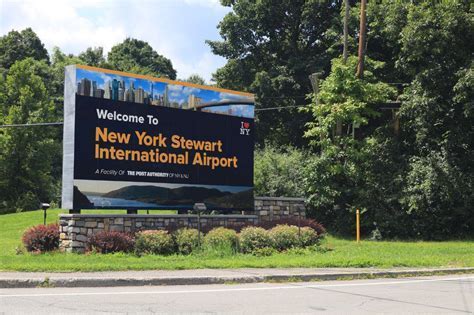
Furthermore, SWF primarily caters to ultra-low-cost carriers like PLAY (from Iceland) and domestic budget airlines focusing on destinations like Florida. There is virtually no established premium cabin traffic originating from or connecting through SWF. The Faroe Islands, while offering incredible natural beauty, are not typically marketed as a “budget” destination; indeed, the cost of travel and accommodation can be relatively high. This creates a fundamental mismatch between the passenger profile typically using SWF and the target demographic for Faroe Islands tourism. The argument was strongly made by observers that the route might have had a better chance of success if it had operated from a major, more accessible airport like John F. Kennedy International Airport (JFK) or Newark Liberty International Airport (EWR). These airports, while slot-restricted and more expensive to operate from, offer vast connectivity, attract a wider range of passenger types including premium travellers, and are well-integrated into the New York metropolitan area’s transportation network. The inability of the Port Authority of New York & New Jersey (which controls JFK, EWR, LGA, and SWF) to potentially broker a more favorable arrangement or find slots at a primary airport was seen by some as a missed opportunity, especially considering that airlines sometimes operate “slot-squatting” flights to retain valuable airport slots, and that usage waivers had been in place post-COVID.
Navigating the Storm: Debating Weather, Population, and Profitability
Other factors often discussed in relation to Faroese aviation include the islands’ notoriously unpredictable weather and small resident population. While the Faroe Islands do experience challenging weather conditions that can affect flight operations – a common characteristic of North Atlantic islands – it was argued that this was not a primary reason for the US route’s cancellation. Atlantic Airways has extensive experience operating in these conditions, and its other routes, particularly to nearby European countries, continue to function. Iceland, for example, experiences similarly variable weather but has a thriving tourism industry heavily reliant on air travel. Therefore, while weather can cause occasional disruptions, it’s unlikely to have been the decisive factor for the US route specifically.
The small population of the Faroe Islands (around 53,000) was also raised as a concern. However, proponents of the route countered that the primary target market for these flights was inbound tourism from the US, not outbound traffic from the Faroes. The Faroe Islands have seen a significant upward trend in tourism in recent years, with visitor numbers reaching between 110,000 and 130,000 annually pre-pandemic and recovering since. For a country of its size, this represents a substantial revenue stream and indicates a strong international interest. The debate then shifted to whether the route could ever have been profitable purely on commercial terms, or if it should have been viewed as a strategic investment by the Faroese government to further stimulate this valuable tourism sector. Some argued that the venture was doomed from the start due to the small catchment areas of both FAE and SWF for such a specialized, long-haul service. Others believed that the “damage” from a few weeks of operation was minimal and that the long-term tourism benefits, had the route been established from a more suitable US airport, could have outweighed initial operational losses. The core of this debate lies in the differing perspectives on airline economics versus national tourism strategy.
Voices from the Brief Journey: Passenger Perspectives on the FAE-SWF Route
Despite its short operational life and ultimate cancellation, the Atlantic Airways FAE-SWF route did create some cherished memories for those fortunate enough to experience it. Testimonials from passengers who flew the route highlight the incredible beauty of the Faroe Islands and the convenience, for some, of the direct connection. One traveller, who lived relatively close to SWF (about 90 minutes away), found the route “so worth it” and lauded the convenience. Another passenger, returning from FAE to SWF, described the Faroe Islands as “probably the most beautiful country I have ever visited,” underscoring the powerful appeal of the destination itself. These positive experiences, though limited in number due to the route’s brevity, serve as a poignant reminder of what the service aimed to achieve: connecting people to extraordinary places. They also emphasize that for a specific segment of travellers, particularly those located conveniently to SWF or prioritizing a direct flight above all else, the route held genuine appeal. The disappointment expressed by many upon its cancellation – “Well damn, it’s barely been a year since they began those flights. I was really hoping to go that route next time” – reflects a missed opportunity for a wider audience to discover the Faroes with similar ease.

Charting a New Course: Atlantic Airways’ European Focus and Future Transatlantic Hopes
With the discontinuation of the New York Stewart route, Atlantic Airways has clearly signaled a strategic refocus on its core European network. These routes, connecting Vágar with key cities like Copenhagen, Billund, Aalborg, Reykjavik, Oslo, Paris, Edinburgh, and London, represent the bedrock of the airline’s operations. They provide essential connectivity for Faroese residents and serve as the primary conduits for international tourists arriving from or transiting through Europe. Strengthening these established markets, particularly high-frequency routes like those to Denmark and the recently emphasized London service, offers greater stability and more predictable returns compared to the high-risk, high-reward nature of a fledgling long-haul service to a secondary US airport. This conservative approach aligns with the operational realities of a smaller national carrier needing to optimize its limited fleet and resources efficiently.
Does this mean the dream of direct US-Faroe Islands flights is permanently grounded? Not necessarily, but any future attempts would likely require a significantly different strategy. The lessons learned from the SWF experiment are invaluable. A future transatlantic venture would almost certainly need to target a major US East Coast hub with strong international connectivity and a proven demand for premium leisure travel – airports like Boston Logan (BOS), JFK, or Newark (EWR) are often cited. Securing slots and managing the higher operational costs at such airports would be a major hurdle, potentially requiring partnerships, code-shares, or even government backing with a clear long-term tourism development strategy. Furthermore, a more robust marketing campaign specifically targeting the North American market, highlighting the unique appeal of the Faroe Islands and the ease of direct access, would be essential. For now, however, Atlantic Airways appears committed to consolidating its European presence, building resilience, and serving its primary markets effectively.
The Lingering Question: Could Direct US-Faroe Islands Flights Ever Be Viable?
The saga of Atlantic Airways’ flights to the US serves as a compelling case study in the challenges of pioneering new air routes, especially for smaller airlines targeting niche destinations. The ambition was laudable, and the destination undeniably captivating. However, the combination of a challenging airport choice in the US, a restrictive flight schedule, the high opportunity costs for a limited fleet, and potentially insufficient initial market penetration proved insurmountable in the short term. The failure of the SWF route does not necessarily mean that all direct US-Faroe Islands connections are doomed to fail. It does, however, underscore the critical importance of meticulous market research, strategic airport selection, and a realistic assessment of operational capabilities versus market demand.
For direct flights to succeed in the future, several conditions would likely need to be met. A stronger, sustained marketing push in North America would be paramount, building broader awareness and desire for the Faroe Islands as a primary destination. Partnering with larger airlines for feeder traffic and code-sharing agreements could help improve load factors and de-risk the venture. Most importantly, access to a more strategically advantageous US airport, one that aligns better with the target traveller profile and offers superior onward connectivity or direct access to a major metropolitan area, would be crucial. While the Faroese government might see strategic value in subsidizing such a route for its tourism benefits, the long-term goal would be commercial sustainability. The allure of the Faroe Islands remains strong, and the desire for direct access from North America persists. Perhaps one day, under different circumstances and with a revised strategy, the dream of a robust, direct aerial link across the Atlantic to this enchanting archipelago will once again take flight, learning from the valuable, albeit costly, lessons of the past.