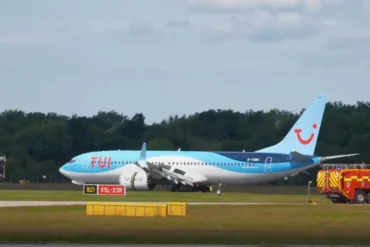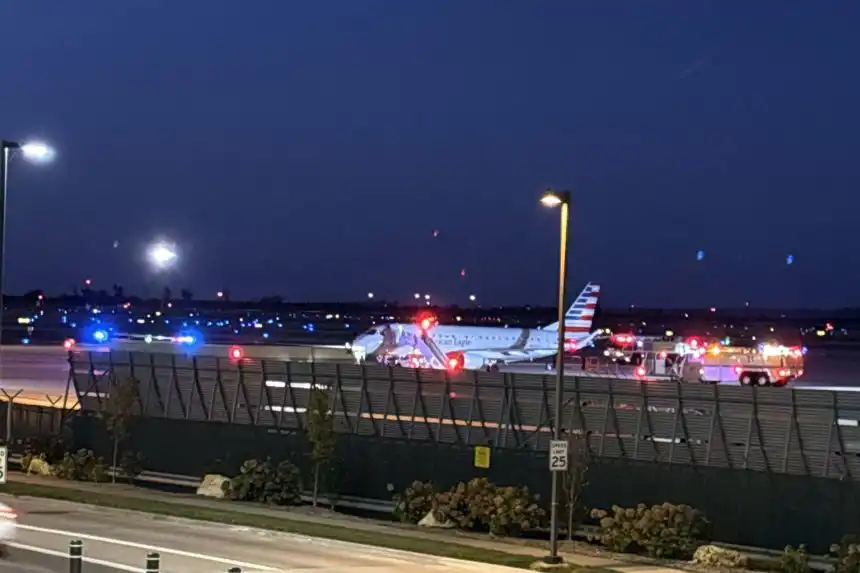
On the evening of November 5, 2025, what began as a routine flight from Omaha’s Eppley Airfield quickly escalated into a dramatic event that underscores how even the smallest communication lapse in aviation can trigger large-scale emergency responses. A SkyWest Airlines-operated American Airlines flight, scheduled for Los Angeles, was forced to make an emergency landing just 18 minutes after takeoff—not due to mechanical failure or passenger behavior, but because of mysterious banging on the cockpit door.
Banging at 30,000 Feet: What Happened on Flight 5624
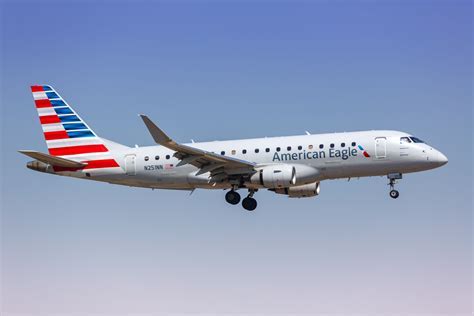
The aircraft involved was an Embraer ERJ 175, a commonly used regional jet with a solid safety track record. The flight had just departed from Omaha at 6:41 p.m., climbing steadily into its ascent when the pilots heard repeated knocks—loud and urgent—on the locked cockpit door.
In an atmosphere defined by tight security protocols and ever-vigilant alertness, especially post-9/11, the noise alone was enough to alarm the flight crew. But the concern intensified because the pilots couldn’t hear anything from the cabin crew over the intercom—only static. In aviation, a breakdown in cockpit-cabin communication is a serious issue. With no verbal confirmation and an unknown individual trying to access the cockpit, the pilots were left with a single viable course of action: initiate emergency landing procedures.
A Chain Reaction Triggered by Silence
What initially seemed like a possible security threat was, in fact, the result of a simple human oversight. The intercom system had been left on inadvertently, flooding the cockpit with static noise and preventing the pilots from hearing the flight attendants. On the other side of the cockpit door, cabin crew members, unable to get through via intercom, did what protocol dictated—they banged on the door to alert the flight crew to an issue. Ironically, this very act amplified the situation, giving rise to suspicions of a cockpit breach attempt.
Passengers were mostly unaware of the unfolding crisis, though some noticed unusual in-flight movements. Henry Gruver, a passenger onboard, later told CNN, “All of a sudden, we started banking around the city of Omaha. And, you know, you’re tilting the wings and everything. My wife noticed that the stewardess was kind of banging on the cockpit door, like, OK, what’s going on?”
The emergency landing disrupted more than just travel schedules. Gruver and his family missed a connecting flight to Japan, and many other travelers faced cascading delays. But in retrospect, the incident demonstrated that safety protocol still takes priority over convenience.
A Flight Through Post-9/11 Security Measures
To understand why such a small error resulted in an emergency landing, we need to look back at how air travel security changed after 9/11. The Federal Aviation Administration (FAA), along with global aviation bodies, introduced strict cockpit security policies aimed at protecting the flight deck from unauthorized access. One such regulation is FAA §121.584, which governs when and how cockpit doors may be opened.
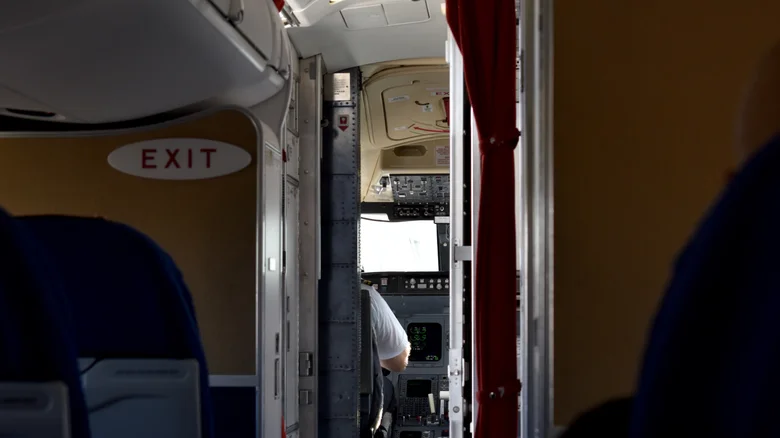
From the moment a plane starts taxiing until it reaches the gate at its destination, the cockpit door is supposed to remain secure and closed. If it must be opened, it can only be done once the crew has confirmed—through audio and visual means—that it is safe to do so. In most cases, this includes using peepholes or onboard cameras. The Embraer ERJ 175, the model used in this flight, is among aircraft listed by the FAA as being equipped with peepholes for cockpit door monitoring.
Why Didn’t Visual Clues Help?
The biggest unanswered question from this event remains: Why didn’t the pilots use visual verification tools to assess the situation? According to FAA documentation, peepholes are standard on the aircraft type. If operational, these should have allowed the pilots to confirm that the person banging on the door was a flight attendant. However, it’s unclear whether the peephole was used, obstructed, or overlooked.
While the intercom failure could justify initial confusion, standard cockpit protocols involve multiple layers of redundancy—audio confirmation, visual inspection, and sometimes even codeword usage among crew. That all of these failed or were not effectively used points to a procedural shortfall that may result in policy reviews for both SkyWest Airlines and possibly American Airlines’ broader safety training.
SkyWest’s Statement and Industry Reactions
SkyWest Airlines released a statement explaining that the emergency landing was done “out of an abundance of caution.” While this language is typical in the aviation industry, it often masks underlying tensions between erring on the side of safety and maintaining operational efficiency.
The incident has already prompted discussion among aviation safety analysts, many of whom argue that such occurrences highlight the need for fail-safe communication protocols between the cockpit and cabin. While radio and intercom systems are reliable, they’re not infallible—and crews need thorough training to handle malfunctions without immediately assuming worst-case scenarios.
Passenger Impact and Crisis Communication
Perhaps one of the most overlooked aspects of in-flight emergencies is the impact on passengers, both immediate and psychological. The 4-hour and 20-minute delay that followed was not just inconvenient; it also left passengers shaken. Emergency landings, even when not due to mechanical faults or threats, instill anxiety among travelers, particularly in a heightened age of global security concerns.
This is where airline communication strategies come into play. Passengers like Henry Gruver felt the lack of real-time information heightened their sense of unease. In modern aviation, where most aircraft are equipped with Wi-Fi and real-time alerts, the expectation is that passengers are kept informed. Airlines failing in this regard risk not only poor customer satisfaction but reputational damage.
Learning from Near-Misses: The Importance of Simulation Drills
While this incident didn’t escalate into a full-blown emergency, it serves as a critical reminder of the importance of simulation training. Pilots and flight attendants regularly undergo drills for cockpit intrusion scenarios, but often these exercises focus on external threats, not internal communication breakdowns.
By incorporating scenarios involving systemic malfunctions—such as faulty intercoms—into training programs, airlines can prepare crews for more nuanced emergencies. This could include:
- Non-verbal communication signals between cockpit and cabin.
- Visual verification techniques under restricted visibility.
- Checklists for cross-checking intercom status before takeoff.
Could Technology Have Prevented This?
Given how the crisis originated from a communication failure, it begs the question: could advanced technology have prevented the situation altogether? Some experts argue that AI-driven cabin monitoring systems, capable of alerting pilots to non-verbal signals or even detecting abnormal crew behavior, might reduce reliance on a single communication channel.
Furthermore, smart cockpit systems can potentially diagnose communication issues in real time, prompting alert messages or offering alternate channels. Although current aircraft are equipped with redundancy systems, there’s still room for technological integration that bridges human error gaps.
Post-Incident Review: What Happens Next?
In the aftermath of such events, several layers of investigation typically follow. These include:
- An internal review by SkyWest and American Airlines.
- A report to the FAA, detailing why communication failed.
- Recommendations for additional crew training or equipment checks.
- Possible software or procedural updates for communication systems.
Though no formal disciplinary action has been announced, aviation insiders suggest that review findings could result in updated cockpit protocols, particularly relating to pre-flight equipment checks and visual confirmation practices.
Conclusion: A Wake-Up Call at 30,000 Feet
What could have remained a simple flight turned into a case study in aviation caution. While no lives were at risk, and the situation was resolved without physical harm, the implications are far-reaching. The emergency landing of a SkyWest-operated American Airlines flight in Omaha was more than a miscommunication—it was a reminder that in aviation, every detail matters.
From adherence to post-9/11 cockpit security protocols, to failures in intercom functionality, to the question of why visual verification wasn’t employed, this incident reflects both the strengths and weaknesses of current airline safety standards. It also emphasizes the importance of ongoing training, clear communication strategies, and system redundancies in ensuring air travel remains the safest form of transportation.
As passengers boarded the rescheduled flight over four hours later, most unaware of the deeper regulatory discussions unfolding behind the scenes, one fact was crystal clear: safety, no matter how disruptive, always takes precedence.