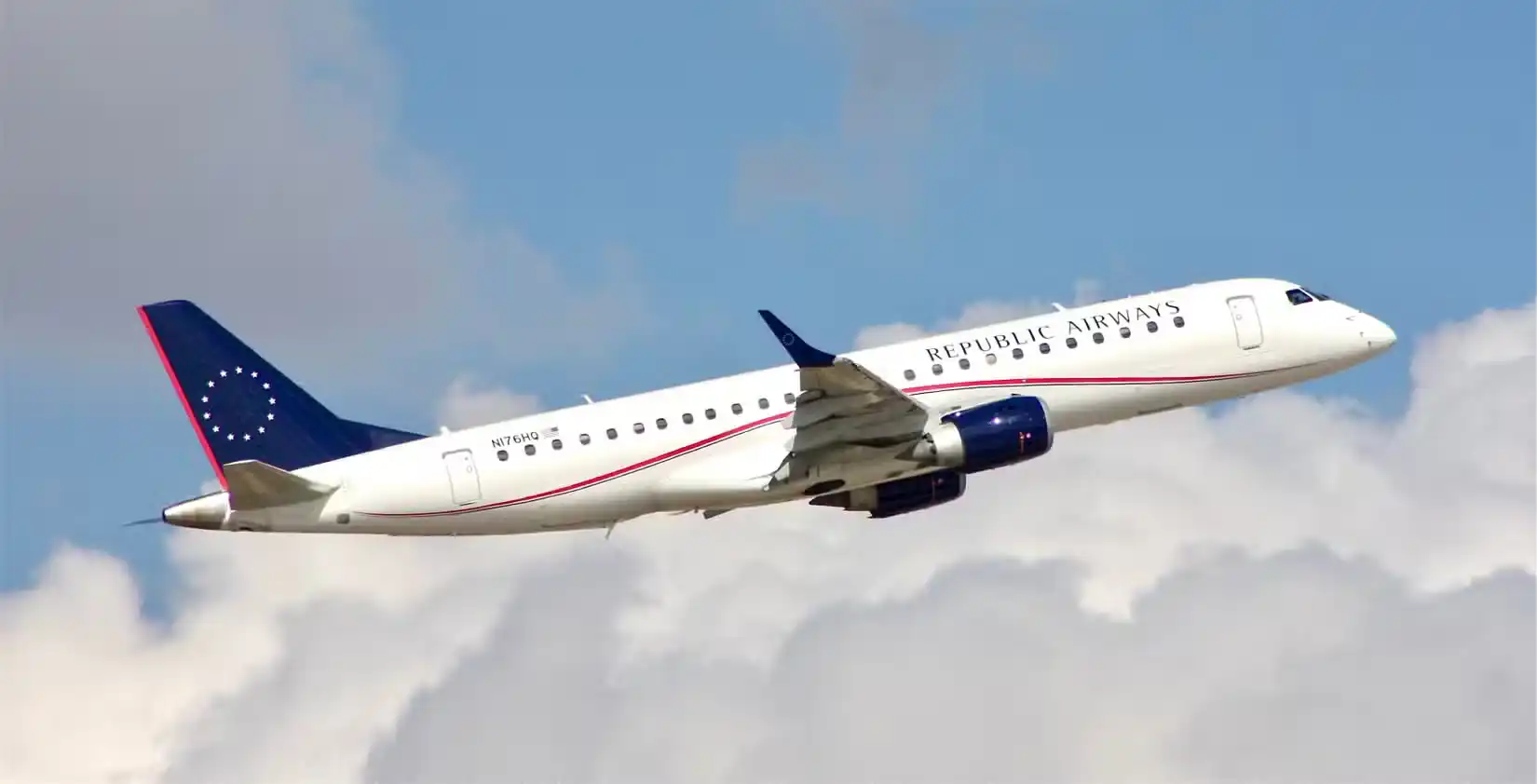
The merger between Republic Airways and Mesa Airlines, announced on November 25, marks one of the most significant restructurings in modern regional aviation. The integration instantly elevates Republic to the position of the world’s largest Embraer E-Jet operator, commanding a formidable fleet of 310 Embraer 170/175 aircraft. These jets now support an impressive 1,300 daily departures, dramatically reshaping the operational landscape of regional air service in North America.
The merger forms a new super-regional powerhouse—one that blends decades of aviation culture from two of the most respected regional carriers in the United States. Republic brings its legacy dating back to 1974, while Mesa contributes its own heritage from 1980, combining more than 8,000 aviation professionals under one strategic framework aimed at long-term scalability and enduring financial strength.
The combined carrier continues operating in parallel during the consolidation period, but the strategic direction is clear: growth, stability, and a sharpened focus on delivering safe, clean, and reliable air travel. With its expanded scale and singular commitment to Embraer E-Jets, Republic now stands at the center of regional aviation evolution.
The New Republic Airways: A Network Built for Expansion
The newly enlarged Republic network spans more than 100 destinations across the United States, Canada, Mexico, and the Caribbean. This reach cements the airline as the second-largest regional carrier in the U.S., trailing only SkyWest Airlines. Its strengthened position creates a more formidable presence for airline partners including United Airlines, Delta Air Lines, and American Airlines.
Republic’s network is deeply rooted in the major East Coast and Midwest hubs of its partner carriers. Mesa’s former network layers in a strong United Airlines presence in Houston and Washington Dulles, creating a seamless and highly complementary route structure.
Key Operational Hubs: The 12-Base System Driving Efficiency
Republic’s redesigned footprint is anchored by an efficient 12-base system that supports flight operations, crew scheduling, and maintenance oversight. The bases include:
- Republic Bases: Boston (BOS), Newark (EWR), New York–LaGuardia (LGA), Philadelphia (PHL), Pittsburgh (PIT), Washington National (DCA), Chicago O’Hare (ORD), Columbus (CMH), Indianapolis (IND), Louisville (SDF).
- Mesa Bases: Houston Intercontinental (IAH), Washington Dulles (IAD).
This dual-network architecture strengthens Republic’s operational reliability, allowing it to efficiently serve congested Northeastern airports while expanding into high-demand Central and Southern markets.

Embraer E-Jets: The Backbone of Republic’s Competitive Edge
Republic’s total commitment to the Embraer 170/175 family gives the airline a consistent product advantage. These aircraft are widely praised for superior passenger comfort, offering wider cabins and larger windows than the Bombardier CRJ series—still used heavily by SkyWest.
Passengers regularly comment on the E175’s roomier feel, smoother ride, and quieter cabin ambiance. This comfort edge enhances partner-airline brand perception while improving Republic’s own service quality metrics.
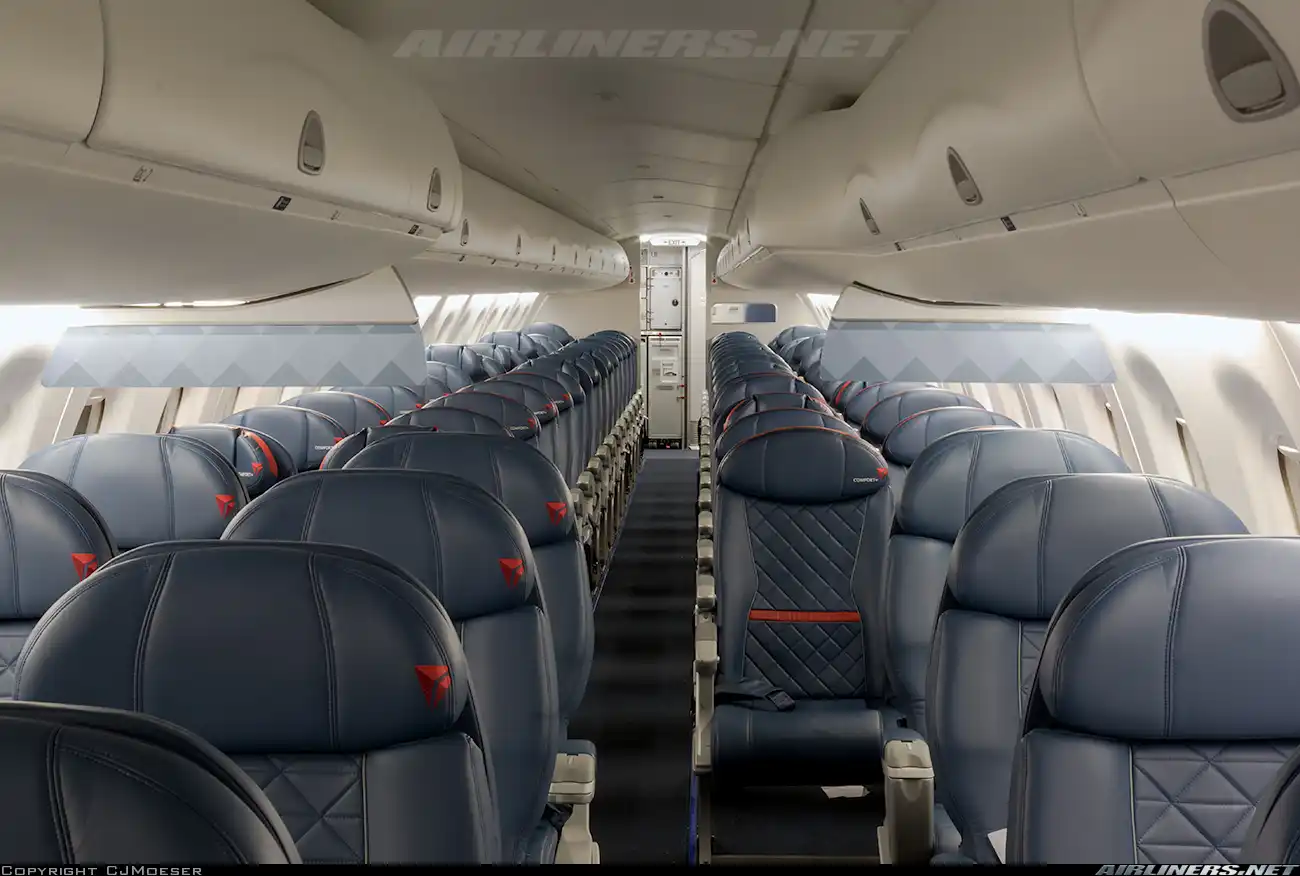
For partners like United, Delta, and American, the E175 has become the preferred platform for regional business travel. For Republic, the aircraft delivers fuel efficiency, reliability, and a scalable operating model.
SkyWest vs. Republic: A New Two-Titan Era in Regional Aviation
While SkyWest Airlines remains the largest regional airline in the U.S. with a fleet of 500+ aircraft and partnerships with all four major carriers, the Republic-Mesa merger draws a firm line between the two dominant forces.
SkyWest continues to focus heavily on the Western and Central United States, operating large numbers of Bombardier CRJs. Republic, meanwhile, emerges as the definitive E-Jet specialist in the Eastern half of the country. This geographic and fleet-philosophy divide creates an intriguing competitive landscape: SkyWest’s diversity versus Republic’s consistency and specialization.
Republic’s new scale offers a stronger financial base, greater network flexibility, and a deeper well of operational expertise—an essential trio for long-term competitiveness.
A Strategic Platform for Future Growth
The merger builds a foundation that positions Republic for sustained expansion. The unified workforce, stronger capital structure, and optimized network allow the airline to operate with greater autonomy and a sharper strategic focus. For investors, the airline now trades under NASDAQ: RJET, signaling a new era of corporate visibility and accountability.
Republic’s future trajectory will be shaped by its ability to continue modernizing operations, investing in training pipelines, and deepening relationships with major partners. With the world’s largest Embraer E-Jet fleet, the airline possesses a unique strategic asset that will anchor its competitive advantage for years.
The merger represents more than corporate restructuring—it signals a redefinition of the regional airline sector and creates a blueprint for how specialized operators can thrive in a rapidly evolving aviation market.