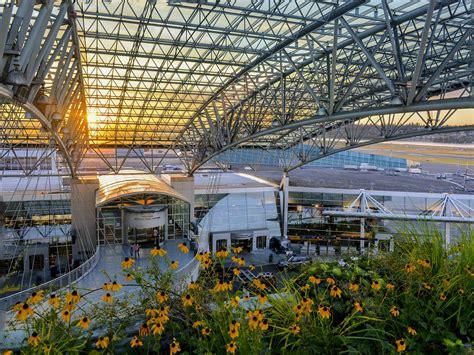
Now, Portland International Airport (PDX) has officially outpaced its competitors, including Long Beach Airport (LGB), Rhode Island T.F. Green Airport (PVD), Salt Lake City International Airport (SLC), Dallas/Fort Worth International Airport (DFW), LaGuardia Airport (LGA), and Ronald Reagan Washington National Airport (DCA), to emerge as the best airport in the United States. This significant achievement is more than just a ranking; it marks a transformative shift in how travelers experience air travel in America.
The competition among airports has heated up, igniting a vibrant race for supremacy where passenger experience takes center stage. As travelers navigate the skies, they are increasingly drawn to airports that offer more than mere functionality. PDX has successfully created an environment that feels less like an airport and more like a welcoming sanctuary. With its stunning timber architecture, an array of local culinary delights, and a commitment to sustainability, Portland International Airport has redefined what it means to travel in comfort and style.
In recent rankings published by The Washington Post, Portland’s charm and efficiency have resonated with both travelers and industry experts alike. The airport’s design philosophy embraces the essence of the Pacific Northwest, showcasing natural wood beams, live trees, and expansive windows that invite in natural light. Travelers can enjoy a cup of freshly brewed coffee while observing planes taxiing on the runway, creating a serene ambiance that stands in stark contrast to the chaotic experiences often associated with air travel.
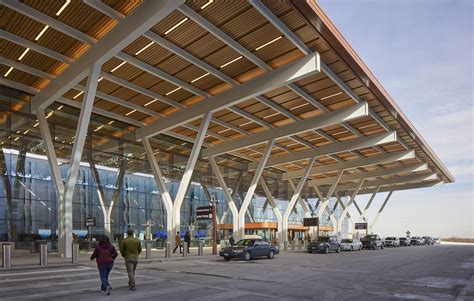
Beyond aesthetics, PDX boasts a remarkable track record for on-time performance and intuitive signage, making it easy for passengers to navigate its spacious terminals. The food scene at Portland International is a love letter to Oregon’s culinary heritage, featuring local favorites that celebrate the region’s rich agricultural bounty. Travelers have dubbed PDX as “America’s favorite airport,” and it’s not hard to see why.
The Rise of Smaller Airports
While Portland leads the charge, smaller airports are also gaining recognition for their unique offerings. Long Beach Airport, for instance, has secured its position as a close second in the rankings. With its palm-lined courtyards and art deco charm, LGB provides a tranquil alternative to the hustle and bustle of larger airports like LAX. It’s a testament to how smaller regional airports can create memorable experiences that rival their larger counterparts.
Seattle’s Paine Field (PAE) is another noteworthy mention, redefining what travelers can expect from regional airports. Offering upscale amenities and fewer crowds, PAE captures the spirit of the Pacific Northwest, earning its place among the top ten airports in national rankings. Other regional contenders like Rhode Island’s T.F. Green, Albuquerque Sunport, and Indianapolis International have also garnered accolades for their efficiency and local character, proving that size doesn’t always dictate quality.
Mega Hubs Embrace Change
Meanwhile, the mega-hubs that handle millions of passengers annually are not resting on their laurels. Minneapolis-Saint Paul International Airport (MSP) consistently ranks high in satisfaction scores thanks to its punctual departures and vibrant local art installations. Detroit Metropolitan Wayne County Airport (DTW) and Phoenix Sky Harbor (PHX) are also investing heavily in terminal upgrades, enhancing passenger services, and reimagining the travel experience.
However, these larger airports face the ongoing challenge of balancing the demands of massive crowds while maintaining a personal touch. Their success hinges on creating environments that prioritize comfort and efficiency, allowing travelers to navigate their journeys with ease.
LaGuardia’s Remarkable Transformation
Perhaps one of the most dramatic turnaround stories is that of LaGuardia Airport (LGA). Once infamous for its outdated facilities and chaotic atmosphere, LGA has undergone a monumental $8 billion renovation, transforming it into a modern travel hub that gleams with natural light and state-of-the-art amenities. In 2025, LaGuardia clinched the Skytrax Award for Best Regional U.S. Airport and achieved a coveted five-star terminal rating, marking a significant shift in public perception.
Gone are the days of dread for travelers connecting through LGA. Now, they find themselves captivated by waterfall installations, sleek shopping zones, and reduced wait times. LaGuardia’s revival exemplifies how a well-executed transformation can reshape an airport’s reputation and significantly impact tourism in the surrounding area.
The Passenger Experience Revolution
Airports are no longer merely transit points; they have evolved into destinations that enhance the overall travel experience. Today’s travelers demand far more than just quick security lines—they seek locally sourced food options, sustainable designs, and tech-driven conveniences. For instance, Denver International Airport (DEN) is expanding its terminal space to accommodate record numbers of passengers while ensuring that the traveler experience remains a top priority.
Similarly, Salt Lake City International (SLC) has reimagined its terminal, drawing inspiration from the natural beauty of its surrounding canyons, creating an architectural marvel that resonates with travelers. Yet, even amidst grandeur, the best airports understand the importance of practicality, providing intuitive layouts, clear signage, and ample seating at gates to ensure a seamless journey.
The Strategic Importance of Regional Airports
As the landscape of air travel shifts, regional airports are enjoying newfound relevance. Cities such as Indianapolis, Albuquerque, and Providence are benefiting from a post-pandemic trend where travelers prefer less crowded hubs over the chaos of mega-airports. Airlines are responding to this demand by reallocating more flights to these regional airports, leading to smoother travel experiences and increased economic impact for their respective communities.
Airports like Indianapolis International (IND) consistently rank highly among medium-sized airports in J.D. Power surveys, showcasing that a pleasant journey often begins and ends outside the country’s largest cities. The ability of regional airports to provide friendly service and efficient operations has become a key factor in travelers’ decisions.
The Future: Tech, Sustainability, and Innovations
Looking ahead, technology and sustainability are paramount in shaping the future of American airports. Portland International stands out with its innovative mass timber roof, showcasing its commitment to sustainable design. Minneapolis-Saint Paul employs real-time passenger flow data to manage crowds effectively, while airports like Dallas-Fort Worth (DFW) and Denver (DEN) are investing in biometrics to streamline security and boarding processes.
Moreover, environmental concerns are no longer optional; they are essential. Many leading airports have set ambitious goals to achieve net-zero carbon emissions by 2030 or sooner, recognizing that passengers increasingly prioritize eco-friendly credentials when choosing airlines and travel hubs.
What This Means for Travelers
For travelers navigating this evolving landscape, several key takeaways emerge from these rankings. First, bigger isn’t always better; regional airports often provide quicker security checks, friendlier service, and fewer delays. Second, travelers should plan for experiences beyond just transit—airports are becoming destinations in their own right, showcasing art exhibits and farm-to-table dining options.
Additionally, sustainability is no longer a niche concern but a central element of the best airports’ identities. Finally, leveraging technology through apps and real-time updates can empower travelers to navigate even the busiest hubs with confidence. Understanding which airports excel in 2025 allows travelers to plan smoother and less stressful journeys, especially during peak travel seasons.
Conclusion: America’s Airports Soar High
In a world where travel disruptions frequently make headlines, it is invigorating to witness so many U.S. airports exceeding expectations. From the stunning wooden beams of Portland to LaGuardia’s sparkling new terminals, these hubs remind us that the journey itself can be an integral part of the adventure. Whether jetting off to Tokyo, connecting through Minneapolis, or enjoying a quiet coffee in Long Beach, America’s airports in 2025 are proving they are well-prepared for the future. One thing is certain: passengers have never had it so good—and the best is yet to come.