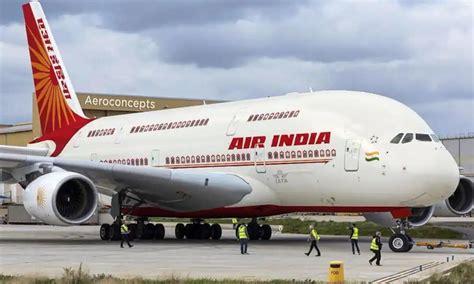
Air India is rapidly transforming its operations in Northeast India by ending its full-service flights from Imphal while strengthening affordable and cost-efficient travel options through its low-cost subsidiary, AI Express. This strategic shift reflects the airline’s commitment to optimizing regional connectivity, making air travel more accessible and budget-friendly for passengers across the region without compromising on essential service frequency. Effective June 15, Air India has formally withdrawn its full-service flight operations from Imphal International Airport. However, travelers in the region won’t be left entirely disconnected, as AI Express — the airline’s low-cost arm — will continue to serve the northeastern airport. This decision, according to officials from the Airports Authority of India (AAI), stems from a broader strategic plan that has been in the works for some time. This development signals a notable change in Air India’s operational focus, particularly in a region where the airline has traditionally held a solid and long-standing presence. While the mainline carrier has ceased its flights, the continuation of services by AI Express signals a reorientation toward more cost-effective and efficiency-driven operations rather than a complete withdrawal from the market.
A Pre-Planned Strategy with Broader Goals
AAI officials emphasized that this was not an abrupt or reactive measure. Instead, the exit from Imphal by Air India’s full-service division is part of a long-term restructuring strategy. In recent years, Air India, now part of the Tata Group, has been reworking its domestic and international route maps, aiming to streamline services, reduce overlaps, and sharpen its focus on profitability and resource optimization. AI Express, which focuses on delivering budget-friendly travel options, has been gradually taking on a more prominent role, especially on short- and medium-haul routes. The shift at Imphal reflects this transition, as AI Express is better positioned to cater to price-sensitive travelers in the region while continuing to provide essential air connectivity.
Imphal Airport’s Role in Regional Aviation
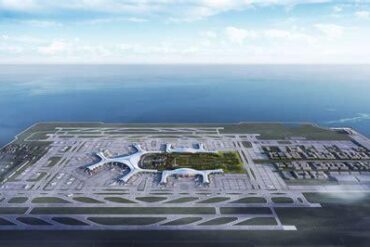
Imphal International Airport serves as a critical hub for India’s northeastern states, facilitating both domestic and limited international travel. For decades, Air India played an important role in linking Imphal to major Indian cities such as Delhi, Kolkata, and Guwahati, offering travelers access to the national air network. Its presence was more than just operational; it was also symbolic of the integration of the Northeast with the rest of the country. The transition to AI Express is expected to bring about changes in service levels, baggage policies, and in-flight offerings, as passengers move from a full-service model to a low-cost one. However, authorities suggest that frequency and connectivity will remain largely intact, minimizing disruption for regular travelers.
A Somber Coincidence
This strategic shift comes during a particularly somber week for the airline. On June 12, the aviation community solemnly reflected on a somber moment in Air India’s past — the devastating crash of Flight AI 171, which was en route to London. The aircraft had taken off from Ahmedabad airport but crashed shortly after, resulting in the death of all 241 people onboard. While the airline has yet to issue a fresh public statement about either the Imphal service change or the anniversary of the 1985 disaster, industry observers note that both events highlight very different aspects of Air India’s past and future — one reflecting its enduring legacy, and the other pointing to the evolution of its strategy under new ownership.
Community Impact and Future Expectations
The end of Air India’s full-service operations at Imphal has evoked mixed reactions from the local community. For many, the airline wasn’t just a mode of transportation — it was part of the region’s aviation identity. Business travelers, students, and government officials who relied on its services may now need to adjust to the new normal with AI Express, which operates under a different service model. However, aviation experts argue that the continued presence of AI Express ensures that connectivity will not suffer. The low-cost carrier has steadily built a reputation for reliability and competitive pricing, which may actually make air travel more accessible to a broader demographic in Manipur and neighboring states. Moreover, there are hints that other airlines may step in to fill any perceived service gaps. Regional airlines and private carriers have shown increasing interest in operating in the Northeast, encouraged by government incentives under India’s UDAN scheme — a policy initiative designed to promote regional air connectivity by making flying affordable and widespread.
Strategic Realignment under Tata Group
Since being acquired by the Tata Group, Air India has entered a phase of aggressive restructuring and modernization. This includes fleet upgrades, tech enhancements, brand reimagining, and a careful evaluation of route profitability. The Imphal decision aligns with this broader narrative of transformation — one where legacy operations are evaluated for their future-fit potential. AI Express itself is expected to undergo a merger with AirAsia India, creating a more unified and agile low-cost carrier under the Tata aviation portfolio. This merged entity could offer more route flexibility, better aircraft utilization, and enhanced passenger experience over time. Air India is reshaping its Northeast operations by ending full-service flights in Imphal and expanding affordable, cost-efficient travel through AI Express to enhance regional connectivity.
Looking Ahead
For now, passengers in Imphal will still be able to fly, albeit under a different airline brand and model. As AI Express continues its operations from the region, travelers can expect affordable fare options and essential connectivity, even as the services differ from those previously provided by the full-service Air India. The development underscores a broader trend in India’s aviation industry — a pivot from traditional models toward more dynamic, cost-effective strategies that respond to shifting market needs. While nostalgia for Air India’s full-service legacy in Imphal will remain, the future may offer even more accessible and consistent travel for the region’s growing population of fliers.