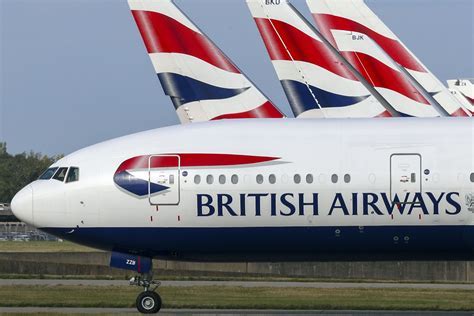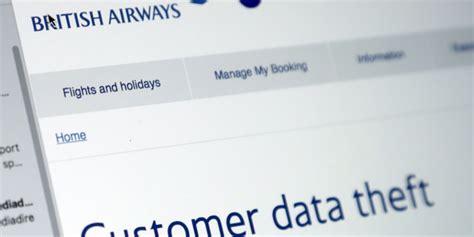
In the summer of 2018, British Airways—one of the world’s most recognized airline brands—suffered a massive data breach that exposed the sensitive personal and financial data of nearly 400,000 customers. What followed was not only a severe blow to the airline’s cybersecurity credibility, but also a landmark moment in UK data protection enforcement under the General Data Protection Regulation (GDPR).
The breach wasn’t the result of an advanced persistent threat or a high-level zero-day exploit. Instead, it was an avoidable failure rooted in weak access controls, poor password hygiene, and negligent data storage practices—issues that reflect systemic lapses in cybersecurity governance.
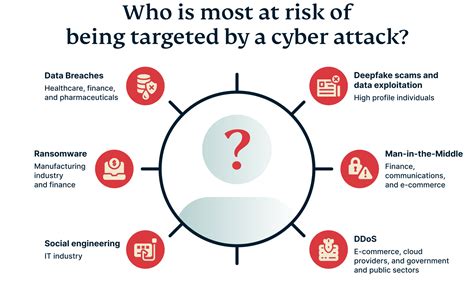
How the Attack Unfolded: Third-Party Vulnerability and Privilege Escalation
The entry point of the attack was alarmingly simple. On June 22, 2018, a malicious actor gained access to the British Airways network through login credentials obtained from an employee of Swissport, a third-party cargo handling service. The absence of multi-factor authentication (MFA) on the compromised account provided an unguarded gateway.
Once inside, the attacker was initially confined to a Citrix environment, but managed to escape these virtual constraints through means still undisclosed. This allowed them to explore the wider corporate network. Disturbingly, the attacker stumbled upon a plaintext administrator password stored directly on a server. Using this, they elevated their privileges and gained administrative access to systems that should have been heavily safeguarded.
Data Storage Failures: Plaintext Card Details Left Exposed
One of the most shocking revelations was British Airways’ practice of storing payment card information in plaintext—including CVV codes, which violates basic PCI DSS (Payment Card Industry Data Security Standards). This logging was never intended for live environments; it was a relic of a testing feature that had been erroneously left active since December 2015.
By July 26, 2018, the attacker had discovered text files containing payment details for BA redemption transactions. These logs were only meant to exist for 95 days, but that was long enough for the attacker to capture critical data from roughly 108,000 payment cards. Despite mitigation from the limited retention period, the sheer volume of exposed data spoke to a long-standing failure in data governance.
Client-Side Compromise: The Modernizr Misstep and Fake Domains
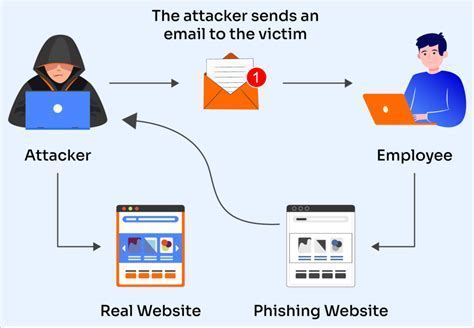
Beyond server-side vulnerabilities, the attackers capitalized on outdated front-end code. British Airways’ website was running a 2012 version of the JavaScript library Modernizr, known to have vulnerabilities. The attacker exploited this outdated script to inject malicious code that redirected users to a lookalike domain—’baways.com’—under their control.
During the payment process, unsuspecting users entered their data into what appeared to be the official British Airways page. In reality, it was a cleverly disguised phishing trap. This client-side skimming operation, also known as a Magecart-style attack, enabled the attacker to collect full payment details, including names, email addresses, physical addresses, credit card numbers, expiration dates, and security codes.
Timeline of Discovery and Public Disclosure
The breach wasn’t detected internally. On September 5, 2018, a third party flagged British Airways about the malicious script embedded in their payment system. Within 90 minutes, the company removed the malicious code and began crisis response procedures.
By September 6, BA alerted both the Information Commissioner’s Office (ICO) and the estimated 500,000 impacted customers. The next day, it officially disclosed that credit card details of around 380,000 customers had been compromised. The company admitted that 77,000 customers had their full payment information stolen, while another 108,000 had personal data exposed, though this did not include CVV codes.
The consequences rippled across the financial sector. NatWest reported a spike in customer support inquiries, while American Express reassured users that suspicious activity would be flagged and customers would not be liable for fraudulent charges.
Regulatory Fallout: ICO Investigation and Record-Breaking Fine
The breach was one of the first high-profile cases investigated under the EU GDPR, implemented just months earlier. In 2019, the ICO initially proposed a historic fine of £183.39 million, equal to 1.5% of British Airways’ 2017 turnover. However, this was later reduced to £20 million in October 2020, taking into account the financial strain imposed on the airline by the COVID-19 pandemic.
The ICO’s findings were scathing. The investigation concluded that British Airways had “failed to put appropriate security measures in place to prevent such an attack.” It emphasized that basic cybersecurity protocols, such as encrypting sensitive data and securing administrative access, had been either absent or poorly executed.
Legal Aftermath: The Largest Data Breach Claim in UK History
In 2021, law firm Pogust and Goodhead spearheaded a mass class-action lawsuit on behalf of affected customers. Branded as “the largest group-action personal data claim in UK history”, the case signaled growing public intolerance for corporate negligence in the handling of sensitive information.
Although British Airways settled the case out of court, the legal pressure reinforced a shift in accountability, placing real consequences on organizations that fail to uphold digital security obligations. While the settlement amount was undisclosed, the case underscored the increasingly litigious environment surrounding data privacy in the UK and beyond.
Preventable Failure: What British Airways Should Have Done Differently
The BA breach highlights several painfully avoidable security missteps:
- Multi-Factor Authentication (MFA) should have been mandatory, especially for third-party access.
- Administrator credentials should never be stored in plaintext—let alone on a production server.
- Payment card data, particularly CVVs, should never be logged or stored without robust encryption.
- Outdated software components like Modernizr must be audited and updated regularly.
- Network segmentation should have restricted attacker movement post-compromise.
Had these basic controls been in place, it’s highly probable the breach could have been thwarted at several stages.
Reputation and Industry Impact
The breach dealt a lasting blow to British Airways’ brand reputation. Trust—a cornerstone of the airline industry—was eroded for millions. It also sent a chilling message to other global carriers, many of whom share similar operational complexities and third-party dependencies.
More broadly, the incident served as a case study for enterprise IT departments across industries, reinforcing the importance of continuous vulnerability assessments, employee training, and real-time monitoring.
Conclusion: A Stark Reminder of Cybersecurity Accountability
The British Airways data breach wasn’t a sophisticated cyber onslaught. It was a confluence of human error, outdated infrastructure, and insufficient oversight. In an era where data is currency, the breach serves as a powerful reminder that cybersecurity is not optional—it is a strategic imperative.
The ICO’s unprecedented fine and the subsequent legal backlash marked a turning point in UK data protection enforcement. Organizations—especially those handling massive volumes of sensitive data—must ensure that cybersecurity is embedded into every layer of their digital architecture, or risk facing both financial and reputational ruin.