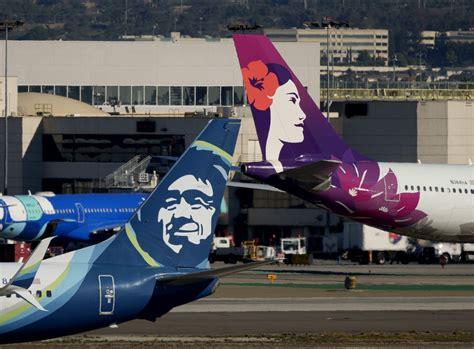
The aviation world has been rocked once again as Alaska Airlines joins the growing list of carriers — including Spirit, Air India, Hawaiian Airlines, and Ryanair — that have been targeted by recent bomb threats, triggering full-scale emergency responses and causing widespread disruption. This latest incident, which unfolded at Seattle-Tacoma International Airport (SEA) on June 14, 2025, underscores the heightened vulnerabilities facing commercial aviation and the urgent need for enhanced security protocols.
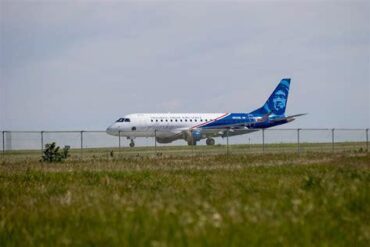
As the Alaska Airlines aircraft taxied for departure on a seemingly routine Saturday afternoon, a sudden bomb threat issued by a passenger to the cabin crew turned the day into a nightmare. The crew immediately alerted authorities, and the aircraft was swiftly isolated on the tarmac as emergency vehicles, flashing their lights against the overcast Seattle sky, surrounded the plane.
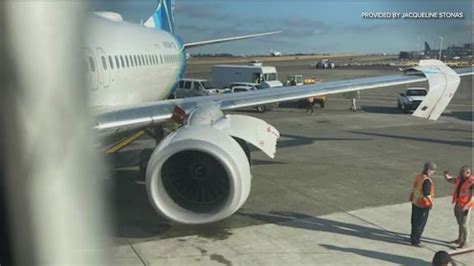
Within moments, two runways were closed, grounding incoming and outgoing flights and sending ripple effects across domestic and international operations. Passengers onboard the affected flight were evacuated and subjected to secondary screening as bomb-sniffing dogs and specialized security teams swept the aircraft. The airport’s operations came to a near standstill, with six flights canceled, others diverted to alternate airports, and countless delays that extended well into the night.
A Chain Reaction Across the Airport
The bomb threat’s impact extended far beyond the isolated aircraft. The closure of critical runways at SEA led to cascading delays, missed connections, and logistical challenges that rippled through the terminal and beyond. Families were separated as connecting flights departed without them. Hotels in the vicinity of the airport saw a surge in emergency bookings as stranded passengers sought last-minute accommodations. Meanwhile, airlines struggled to rebook affected travelers, juggling crew duty hours, aircraft positioning, and scarce gate space.
The Response: Precision and Protocols
The Port of Seattle Police, working alongside the Transportation Security Administration (TSA) and Federal Aviation Administration (FAA), executed a rapid, coordinated response. The suspect was removed from the aircraft without resistance, but the threat’s seriousness mandated a full security sweep. Authorities combed every inch of the plane, while passengers underwent detailed screening for any trace of explosives. The aircraft was pulled from service indefinitely, pending extensive checks under federal security guidelines.
Security experts emphasize that threats issued during active aircraft movement — particularly during taxiing or takeoff — are treated with the utmost gravity. Such incidents trigger the most stringent emergency protocols, as the window for response is perilously short and the potential for catastrophe is high. Even when threats later prove unfounded, the cost in terms of disruption and passenger anxiety is immense.
Airline and Industry Reaction
Alaska Airlines issued a statement reaffirming that passenger and crew safety remains its highest priority. The airline acknowledged that while disruptions are deeply regrettable, they are a necessary price for ensuring no threat is overlooked. Industry observers predict that this event, alongside recent threats faced by Spirit, Air India, Hawaiian, and Ryanair, will accelerate reviews of current security measures.
Insiders suggest that enhanced crew training, refined emergency protocols, and investments in artificial intelligence-based behavior detection technologies at airports are likely outcomes. Unions representing flight attendants and pilots are also expected to advocate for stronger protections and clearer guidelines on managing in-flight threats.
A Stark Reminder for Travelers
For the thousands impacted by the Seattle incident, the day served as a powerful reminder of aviation’s ever-present vulnerabilities. Passengers watched as what began as a normal flight turned into a full-blown emergency, with flashing lights, halted runways, and long lines at customer service desks. The shockwaves of the incident stretched across the country as delays mounted and operations struggled to recover.
Experts warn that as passenger volumes surge post-pandemic, the potential for disruptive incidents grows. The combination of higher traveler numbers, global tensions, and evolving security threats demands continuous vigilance from both airlines and passengers alike.
What Comes Next: A Changing Security Landscape
Authorities, including the FAA and TSA, are expected to conduct a comprehensive review of the Seattle bomb threat response. This review will likely examine everything from the initial reporting of the threat to the final resumption of normal operations. The goal: to identify gaps, improve communication protocols, and ensure faster, more effective responses in the future.
Meanwhile, the individual behind the threat could face federal charges related to making false threats, endangering an aircraft, or violating national security laws. Investigations remain ongoing, with officials declining to release further details about the suspect or their motives at this stage.
For airlines, the Seattle incident is a wake-up call — and an opportunity. The event highlights the critical importance of robust security measures, rapid coordination across agencies, and transparent communication with the traveling public. It also underscores the delicate balance airlines must strike between operational efficiency and uncompromising safety standards.
Conclusion: A Call for Vigilance
The Alaska Airlines bomb threat is more than a single incident — it’s a vivid illustration of how fragile aviation security can be in the face of determined disruption. It’s also a call to action for the entire industry: to adapt, innovate, and stay ahead of emerging threats.
As travelers return to the skies in record numbers, the need for patience, awareness, and preparedness has never been greater. The skies have reopened, but the shockwaves from Seattle serve as a lasting reminder that safety will always come first, no matter the cost in delays or inconvenience.