Alaska, long celebrated for its icy landscapes and refreshing summers, has now joined a growing list of U.S. regions under official heat advisories. Alongside Juneau, El Paso, Albuquerque, Phoenix, and Las Vegas, the state finds itself confronting a climate event that is reshaping travel across North America. This historic heatwave, gripping regions from the Arctic fringe to the heart of the desert southwest, is already causing ripple effects across industries that rely on stable summer weather.
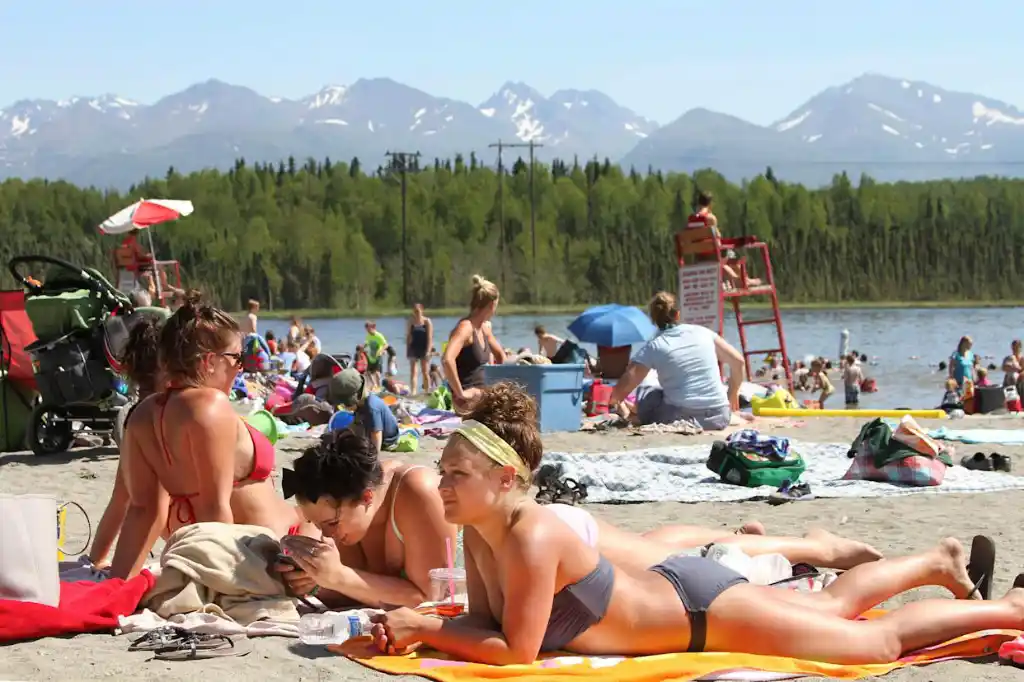
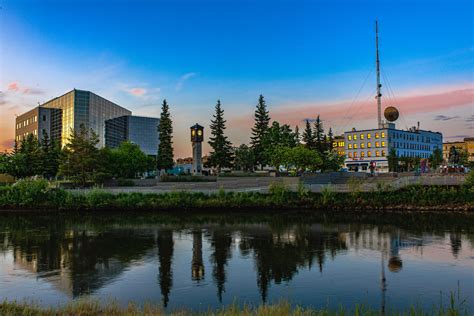
Travelers hoping for cool Alaskan breezes are instead facing record-breaking warmth. Fairbanks is at the epicenter, with temperatures climbing to nearly 89°F (32°C)—a stark contrast to its typical June climate. For the first time, the National Weather Service has issued an official heat advisory for this region. The implications for tourists, airlines, hotels, and local businesses are profound, signaling a shift in how Alaska—and the nation—must prepare for summer travel in a warming world.
The Shock of Heat in a Traditionally Cool Climate
Alaska’s entrance into the list of heat-advisory zones is not just symbolic. It highlights a new reality for destinations that once promised respite from the sun’s intensity. Juneau, another Alaskan city, is also under advisory, after experiencing uncharacteristically high temperatures earlier this month. These developments have surprised experts and travelers alike, with many questioning the readiness of infrastructure built for cold, not heat.
Impact on Air Travel and Cruise Operations
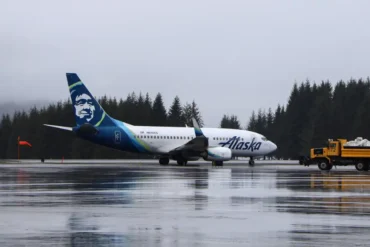
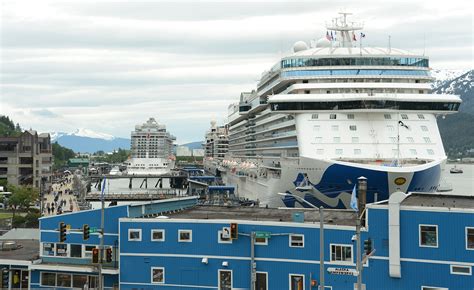
Airports such as Fairbanks International and regional hubs in Juneau are adjusting operations to deal with passenger discomfort and potential delays. Airlines are coordinating hydration efforts, shaded waiting areas, and modified boarding protocols to ensure safety. Cruise ships, a mainstay of Alaskan tourism, are reviewing shore excursion itineraries to avoid exposing passengers to peak heat during port stops. These changes, while necessary, are straining schedules and creating added logistical hurdles for travelers.
Hotels and Lodging Struggle to Adapt
One of the most immediate challenges is accommodation. Many Alaskan hotels, inns, and lodges were built to retain heat, not shed it. The absence of air conditioning in most buildings is creating uncomfortable, even hazardous, conditions, especially for elderly guests and those with health conditions. Adding to this is the growing wildfire smoke problem, which forces guests to keep windows closed, trapping heat indoors. Lodging providers are now rushing to secure portable cooling units and install emergency ventilation measures, hoping to avoid guest dissatisfaction and cancellations during what should be peak season.
The Southwest: Battling Familiar Yet Intensified Heat
Meanwhile, cities like Phoenix, Las Vegas, El Paso, and Albuquerque are enduring searing temperatures that, while not new, are arriving earlier and with greater intensity than in previous years. 110°F+ forecasts are triggering emergency cooling stations, adjusted outdoor event schedules, and public advisories urging residents and visitors to avoid strenuous activities during daylight hours. For cities that have long dealt with extreme heat, this summer’s conditions are still stretching resources thin, as the number of heat-related incidents rises.
Tourism Boards and Travel Agencies Rethink Messaging
Across affected cities, tourism boards are pivoting their messaging strategies. In Alaska, the pitch of an “Arctic escape” is now tempered with advice about heat preparedness, hydration, and flexible itineraries. Agencies are reshaping tour plans to focus on early-morning hikes, indoor attractions, and wildlife viewing during cooler periods of the day. Down south, desert destinations are emphasizing nighttime activities and indoor cultural events to help visitors stay safe without sacrificing experience.
Wildfires: The Shadow Threat Behind the Heat
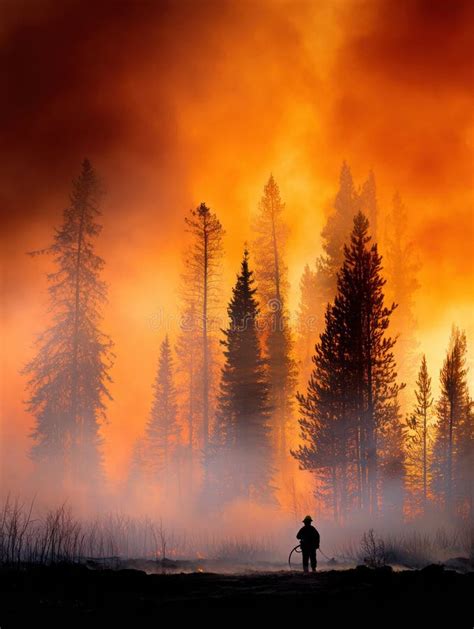
As if the heat alone were not enough, wildfire risk looms large. In Alaska, a state unaccustomed to prolonged high temperatures, the combination of heat and dry conditions is creating a perfect storm for fire outbreaks. Already, visibility-reducing smoke has become a feature of recent summers in Fairbanks, and 2025 looks set to follow the trend. The consequences for tourism are dire: closed trails, canceled excursions, and diminished scenic views threaten the very experiences that draw visitors north.
A Wake-Up Call for Infrastructure and Policy
This year’s unprecedented advisories are sparking discussions about the future of tourism infrastructure in Alaska and beyond. Authorities are re-evaluating building codes, emergency response plans, and visitor education initiatives. In many ways, this shift represents a policy evolution rather than climate panic. By labeling heat risks clearly, officials hope to reduce confusion and improve public safety without deterring tourism outright.
Airlines, national parks, and private tour operators are also developing real-time alert systems, mobile app updates, and on-the-ground resources to help visitors navigate this new landscape. Collaboration between meteorologists, public health officials, and the travel industry is at an all-time high, as they work to ensure that adventure remains possible—just safer and smarter.
The Road Ahead: A New Alaska, A New Summer Norm
For many, this heatwave is more than just an anomaly; it is a harbinger of changing summer patterns. Alaska’s first heat advisory is a clear signal that no destination, no matter how cool its reputation, is immune to evolving climate impacts. For travelers, the lesson is equally stark: pack not just for the cold, but for the unexpected warmth that could greet you in the land of midnight sun. With flexibility, preparation, and awareness, Alaska and its southern counterparts remain rewarding destinations—but ones that now demand greater respect for the elements.