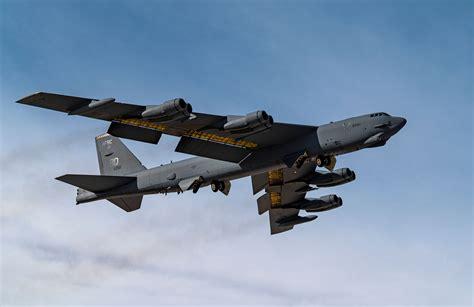
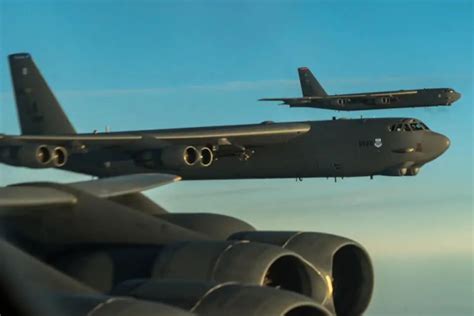
In November 2025, the United States Air Force initiated a significant show of strategic force by deploying Boeing B-52 Stratofortress bombers to Morón Air Base in southern Spain. These aircraft, renowned for their immense payload, range, and longevity, are no strangers to international missions, yet their presence in Spain carries a complex tapestry of symbolism, strategic intent, and historical resonance.
This deployment is part of Bomber Task Force Europe 26-1, an initiative aimed at enhancing interoperability, tactical cohesion, and rapid response readiness among NATO allies and regional partners, including Sweden, Finland, and Lithuania. Though the B-52 bombers are officially based only in the continental United States, rotational deployments like this one allow U.S. aircrews to train against simulated threats, refine operational tactics, and strengthen multilateral cooperation in sensitive geopolitical regions.
Enhancing Readiness Along NATO’s Eastern Flank
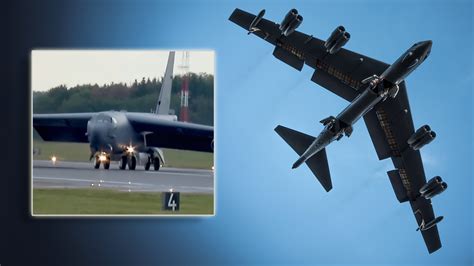
While the aircraft are stationed in Spain’s Andalusian heartland, their strategic gaze is firmly cast across Europe’s Eastern Flank and the High North, areas increasingly exposed to tensions, particularly with the Russian Federation. By operating alongside NATO and European forces, the U.S. ensures it can project power rapidly and decisively, reinforcing a credible deterrent against any emerging threat in the region. The integration of these bombers into multinational training environments prepares all involved for real-world conflict scenarios.
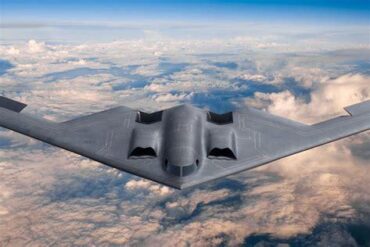
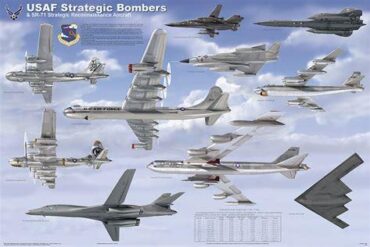
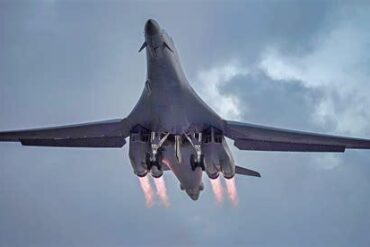
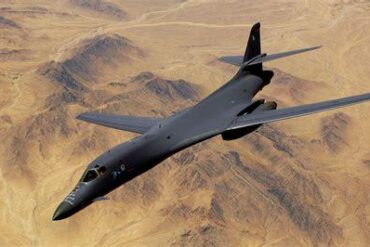
These deployments are not novel. B-52s, B-1 Lancers, and B-2 Spirits are regularly cycled across global theaters, sometimes to reassure allies and often to send calibrated warnings to adversaries. In early 2025, for example, B-2 bombers were deployed to Diego Garcia—a strategic base in the Indian Ocean—as a warning to Iran, a move echoed by a simultaneous B-52 presence. Later that year, U.S. bombers conducted missions near Russia, Belarus, and off the Venezuelan coast, reinforcing America’s global reach and intent.
Morón Air Base: A Crucial NATO Launchpad
Located about 35 miles southeast of Seville, Morón Air Base is a critical U.S. and Spanish installation within the NATO structure. Though it is jointly operated, only the Spanish flag flies there. Morón functions as a transit and logistics hub for U.S. forces moving between the United States, Europe, and the Middle East, serving as a staging ground for tanker fleets and other air assets. The base’s vast infrastructure—including an extended runway and refueling facilities—makes it an ideal anchor for operations spanning continents.
The base is home to the 496th Air Base Squadron, which operates under the 65th Air Base Group and supports U.S. Air Forces Africa and Europe missions. With excellent weather conditions, advanced maintenance capabilities, and strategic proximity to key global theaters, Morón is indispensable for ensuring mission readiness and strategic flexibility.
The Evolution of the B-52: From Blunt Force to Strategic Archer
Originally built between 1952 and 1962, the B-52 was conceived as a strategic heavy bomber designed to fly into enemy territory and drop unguided bombs—a reflection of Cold War combat doctrines. However, by the end of the Vietnam War, it became evident that such direct engagements resulted in unsustainable losses. As a result, the bomber’s role has dramatically evolved.
Today, the B-52 is a stand-off weapons platform, capable of launching long-range cruise missiles and precision-guided munitions from safe distances, avoiding contested airspace altogether. Its tail guns have been removed, and it now functions as a powerful delivery system, often compared to an archer firing volleys from afar rather than a boxer in close combat.
This strategic transformation is why the B-52 remains relevant while newer aircraft like the B-1 Lancer and even the stealthy B-2 Spirit are slated for retirement in the coming decades. With the B-21 Raider—the next-generation stealth bomber—expected to complement the B-52 in the 2030s and beyond, the U.S. Air Force envisions a dual capability: stealth precision and overwhelming payload.
A Nuclear Shadow Over Spanish Soil
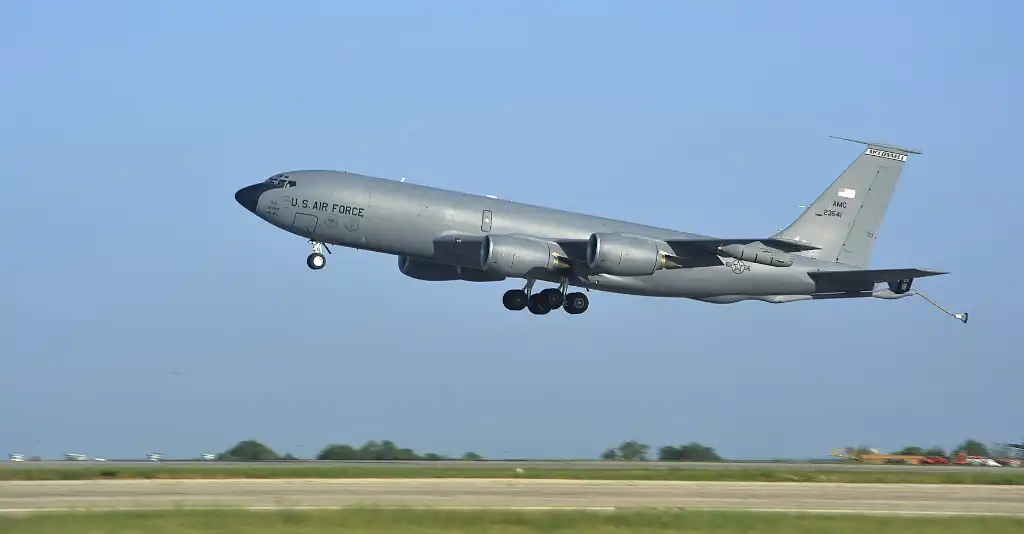
Spain’s history with the B-52 is marred by one of the most serious nuclear incidents in U.S. military history. In 1966, a B-52G bomber carrying four hydrogen bombs collided midair with a KC-135 tanker over Palomares, a village in southern Spain. Three of the bombs crashed onto Spanish soil, contaminating the area with plutonium, while the fourth disappeared into the Mediterranean Sea. It took 80 days for U.S. recovery teams to locate and retrieve it.
This incident, although rarely spoken of today, left a lingering memory in Spanish-American relations. Known as the Palomares incident, it transformed how the world viewed nuclear safety and air-based strategic operations. Fortunately, today’s deployments do not involve nuclear payloads, but the memory of that catastrophe endures in historical records and local memory.
Power Projection in a Posture of Deterrence
With 72 B-52s still active and expected to serve into the 2050s, these aircraft are receiving Rolls-Royce engine upgrades and evolving into the B-52J variant. Their global deployment remains a cornerstone of U.S. strategic doctrine, leveraging both deterrent presence and operational readiness. These bombers are regularly seen at strategic outposts like Andersen Air Force Base in Guam, bases in Australia, South Korea, and across NATO’s network.
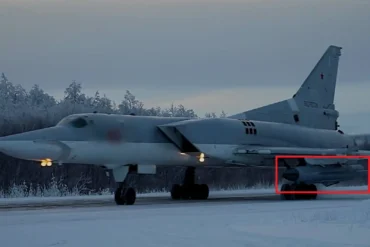
Unlike Russia’s bomber fleet—which was severely reduced during Operation Spiderweb and remains hamstrung by a limited tanker fleet—the U.S. maintains a robust aerial refueling capability, allowing sustained global operations. Where Russia operates largely within the confines of its regional influence, the B-52 embodies America’s capacity for global reach and persistent presence.
Conclusion: An Old Warrior in a New Strategic Landscape
The deployment of B-52 bombers to Spain is neither unprecedented nor unexpected. It reflects the United States’ enduring strategy of training with allies, enhancing interoperability, and projecting power where needed most. As geopolitical tensions persist, especially in Europe’s east and across the Indo-Pacific, the presence of these strategic bombers acts as both a shield and a signal—to friends and foes alike.
The B-52 may no longer soar into hostile airspace as it once did, but in its new role as a long-range, high-capacity stand-off platform, it remains a linchpin in America’s global military architecture—steadfast, adaptable, and unrelenting in its mission to deter, defend, and dominate.