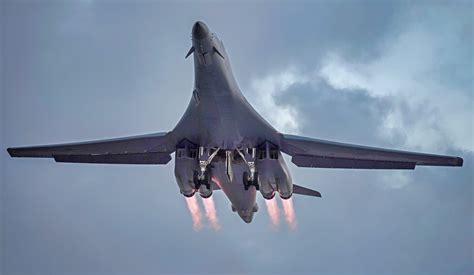
The United States Air Force is entering a dramatic new phase in strategic airpower doctrine as some of its oldest combat aircraft receive an unexpected extension of life amid the widening Iran conflict and Washington’s historic US$1.5 trillion defense budget. Aircraft once scheduled for retirement are now being restored, modernized, and redeployed as the Pentagon confronts the reality that next-generation systems alone cannot sustain global military pressure.
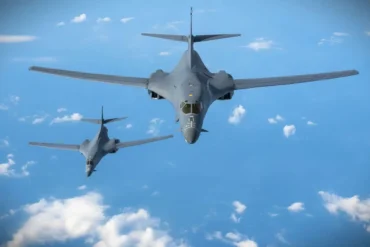
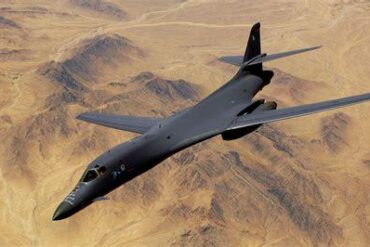
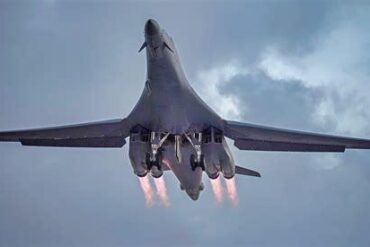
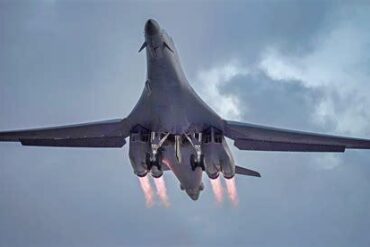
At the center of this reversal is the Rockwell B-1B Lancer, a Cold War-era supersonic bomber that the Air Force had already begun phasing out. Instead of disappearing into history, the aircraft is now returning from the desert boneyard to active operational status. The move represents far more than nostalgia. It reveals how urgently the United States still depends on legacy bombers capable of delivering massive payloads across long distances in high-intensity conflicts.
The decision arrives during escalating military operations linked to Iran and after combat deployments that reportedly demonstrated the continuing effectiveness of America’s older bomber fleets. Alongside the B-1B, the stealthy B-2 Spirit, the iconic A-10 Warthog, and even aging F-15C/D fighters are all receiving renewed institutional support after earlier retirement plans were quietly abandoned.
The Air Force may be preparing for the future with the stealth-focused B-21 Raider, but current realities are forcing military planners to rediscover the brutal utility of aircraft built decades ago for sustained strategic warfare.
B-1B Lancer Returns From The ‘Boneyard’ To Combat Duty
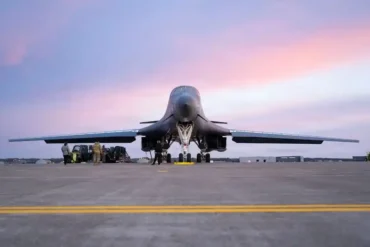
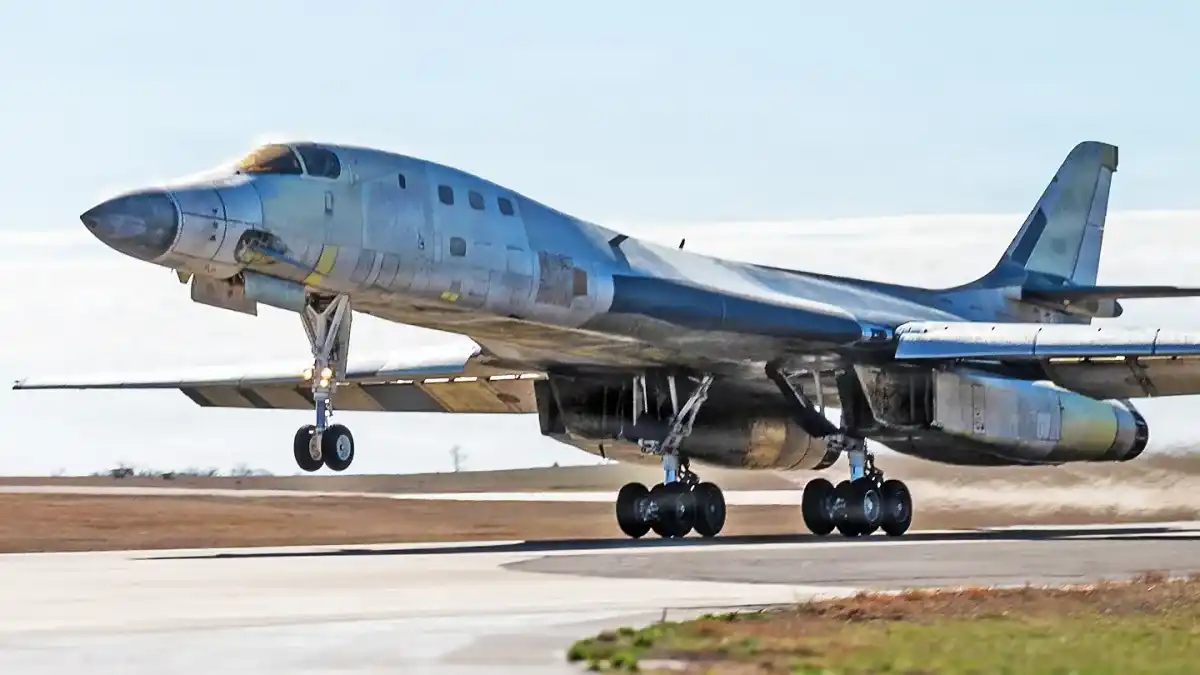
In one of the most symbolic aviation developments of 2026, the USAF confirmed that a retired B-1B Lancer bomber has officially returned to operational service after nearly two years of intensive restoration work. The aircraft, serial number 86-0115, had been sitting in storage at Davis-Monthan Air Force Base in Arizona, home to the famous aircraft “boneyard.”
The bomber was originally retired in 2021 as part of a force reduction initiative intended to shrink the B-1 fleet from 62 aircraft to 45. At the time, Pentagon planners believed maintaining fewer bombers would improve readiness while freeing resources for the incoming B-21 Raider stealth bomber program.
Instead, worsening global instability and delays in modernization programs have changed the equation entirely.
The restored aircraft was preserved under “Type 2000” storage conditions, a classification specifically designed for aircraft that may eventually return to service. Unlike permanently retired aircraft that are stripped for parts, Type 2000 airframes are carefully maintained to allow future regeneration during wartime or strategic emergencies.
That contingency has now become reality.
More than 200 Air Force personnel and civilian specialists reportedly worked extended shifts to return the bomber to combat-capable condition. The process involved replacing over 500 components, conducting structural repairs, validating flight systems, and performing multiple functional check flights before the aircraft was finally cleared for operational use.
After restoration, the bomber rejoined the fleet at Dyess Air Force Base with a striking new identity: “Apocalypse.” The aircraft’s fresh nose art and combat-ready status now symbolize a broader shift within the Air Force toward preserving older platforms rather than retiring them prematurely.
Why The USAF Suddenly Needs Older Bombers Again
The revival of the B-1B is not happening in isolation. It reflects growing Pentagon concern that the United States may not have enough long-range strike capacity for future conflicts involving multiple theaters simultaneously.
The B-1B remains one of the most formidable conventional bombers ever built. Capable of carrying enormous payloads while flying at supersonic speeds, the aircraft still offers capabilities that newer systems cannot fully replicate at scale.
Originally designed during the Cold War, the B-1 program began in the 1970s as a replacement for the aging B-52 Stratofortress. The initial B-1A prototypes emphasized high speed and low-altitude penetration against Soviet defenses. The Reagan administration later revived and refined the program into the B-1B variant, which entered operational service during the 1980s.
Despite decades of service, the aircraft remains highly valuable because of its unmatched ability to rapidly deliver large quantities of precision-guided munitions over intercontinental distances.
Military analysts believe the recent Iran conflict exposed the continued relevance of such bombers. During operations reportedly connected to “Operation Epic Fury,” both the B-1B and B-2 fleets demonstrated sustained operational effectiveness in high-tempo missions.
Those combat deployments appear to have altered strategic thinking inside the Pentagon.
Instead of treating legacy bombers as temporary stopgaps before the arrival of the B-21 Raider, Air Force leadership increasingly views them as indispensable assets that must remain operational deep into the 2030s.
Hypersonic Weapons Could Give The B-1B A New Mission
The Air Force’s renewed interest in the B-1B extends beyond conventional bombing missions. The aircraft is also emerging as a possible launch platform for future hypersonic and air-launched ballistic weapons.
Earlier this year, imagery surfaced showing a B-1B carrying the AGM-183 ARRW hypersonic missile, a weapon designed to strike targets at extreme speeds while evading enemy defenses. Although the ARRW program has faced developmental turbulence, the Air Force continues exploring advanced long-range strike systems that could reshape aerial warfare.
The B-1B’s large internal payload capacity makes it uniquely suitable for carrying oversized hypersonic weapons that smaller fighters cannot accommodate efficiently.
The Air Force is reportedly pursuing both an upgraded ARRW system and a separate air-launched ballistic missile initiative. If those programs mature successfully, the B-1B could evolve from a conventional Cold War bomber into a critical launch platform for next-generation strategic weapons.
That transformation would dramatically extend the aircraft’s relevance in an era increasingly dominated by hypersonic competition between the United States, China, and Russia.
Congress has already reinforced the bomber’s importance by mandating that the Air Force maintain at least 45 operational B-1B aircraft. Budget documents for fiscal year 2027 further allocated approximately US$342 million for sustaining and modernizing the fleet over the next five years.
Rather than fading into obsolescence, the B-1B is quietly becoming one of the most adaptable strike aircraft in America’s arsenal.
B-2 Spirit Stealth Bombers Also Receive Unexpected Lifeline
The B-1B is not the only aging bomber avoiding retirement.
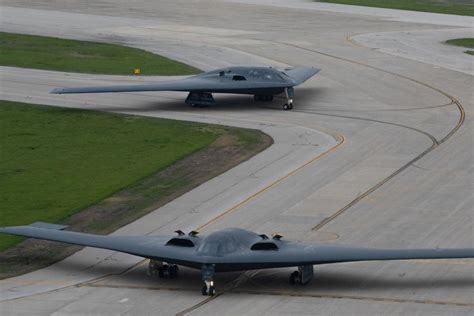
The stealth-focused B-2 Spirit fleet is also receiving significant investment despite earlier expectations that the aircraft would gradually disappear once the B-21 Raider entered service.
According to recent budget allocations, the Pentagon plans to spend roughly US$1.35 billion over the next five years maintaining the B-2 fleet. Officials from Air Force Global Strike Command have emphasized that the stealth bomber will continue operating as long as strategic requirements demand it.
This represents a major doctrinal shift.
For years, defense planners envisioned the B-21 Raider replacing both the B-1B and B-2 fleets as part of a streamlined next-generation bomber force. However, operational realities are forcing the Air Force to maintain multiple overlapping fleets simultaneously.
The reason is simple: the United States faces escalating strategic demands across Europe, the Middle East, and the Indo-Pacific at the same time.
Maintaining only a small stealth bomber fleet may no longer provide sufficient operational flexibility. By keeping the B-2 active alongside the B-21, the Air Force preserves additional stealth strike capacity while avoiding dangerous capability gaps during the transition period.
The B-2 remains especially valuable because of its ability to penetrate heavily defended airspace and conduct long-range precision strikes against hardened targets. In scenarios involving Iran or near-peer competitors, those capabilities remain critically important.
A-10 Warthog Refuses To Die As Retirement Plans Collapse
Perhaps no aircraft better symbolizes the Air Force’s retirement struggles than the legendary A-10 Thunderbolt II, better known as the Warthog.
For years, Pentagon leadership repeatedly attempted to retire the close-air-support aircraft, arguing that newer fighters and drones could eventually assume its mission. Yet battlefield realities and political resistance consistently delayed those plans.
Now, amid expanding military commitments and rising defense budgets, several A-10 squadrons that were previously marked for elimination will remain operational.
The aircraft’s survival highlights a recurring problem in modern military planning: replacing proven combat platforms often proves far harder than expected.
Despite its age and relatively slow speed, the A-10 remains devastatingly effective in close-air-support operations thanks to its survivability, heavy armor, and iconic GAU-8 Avenger cannon. Troops on the ground continue valuing the aircraft’s ability to loiter over battlefields for extended periods while delivering precise firepower against enemy forces.
Its continued survival mirrors the broader trend now visible across the Air Force: proven legacy systems still matter enormously in modern warfare.
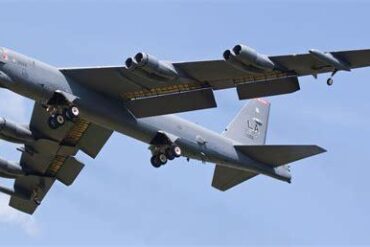
B-52 Stratofortress Heads Toward A Century Of Service
While the B-1B and B-2 dominate current headlines, the most astonishing longevity story belongs to the B-52 Stratofortress.
The Air Force currently operates 76 B-52H bombers, and officials now expect the aircraft to remain in service until at least the 2050s or 2060s. That timeline would push the bomber’s operational lifespan close to — or even beyond — 100 years.
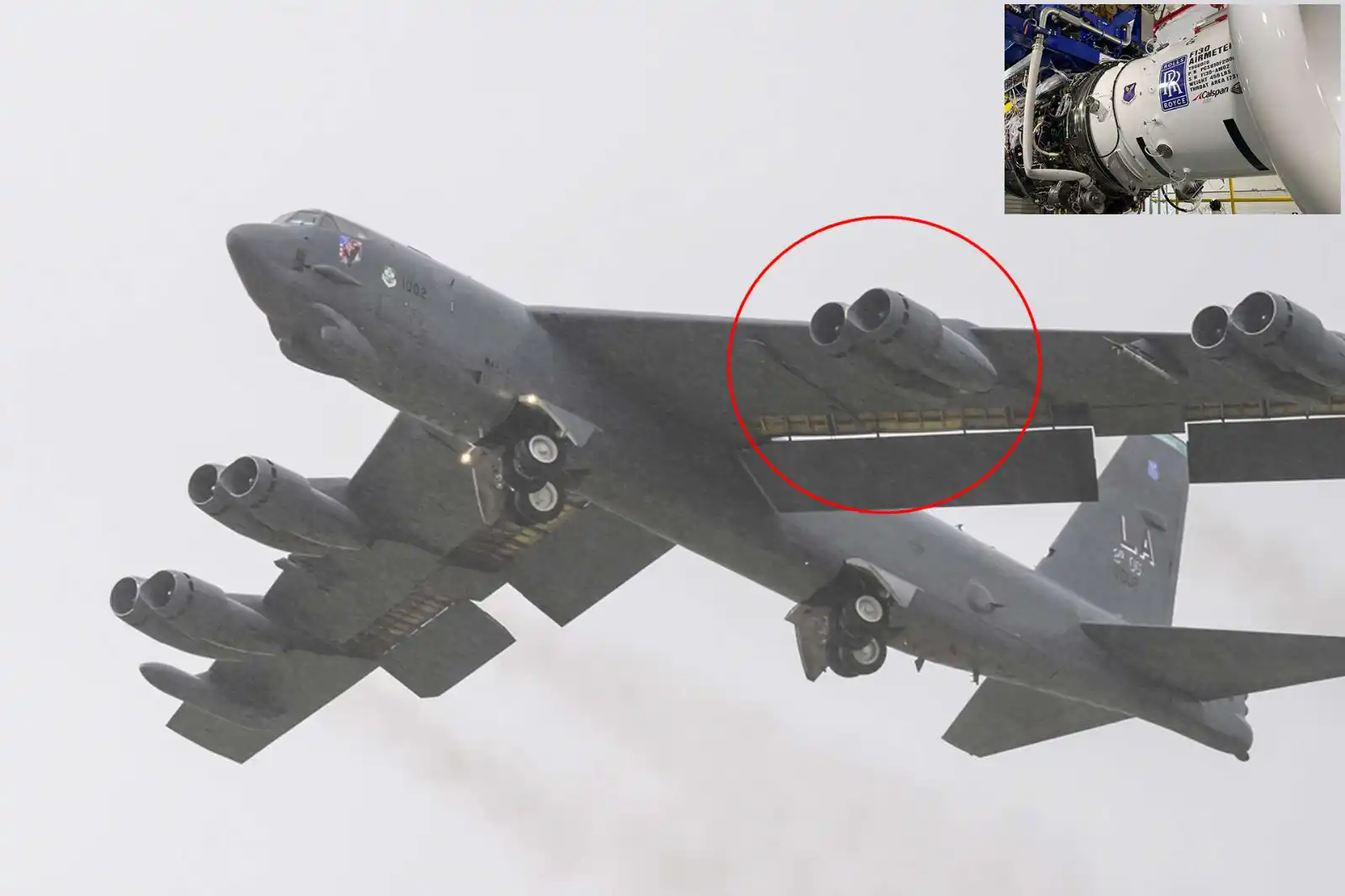
To make that possible, the USAF is undertaking the massive Commercial Engine Replacement Program (CERP), which will transform existing B-52Hs into the upgraded B-52J configuration.
The modernization effort centers on replacing the bomber’s aging engines with new Rolls-Royce F130 powerplants. The upgrades will improve fuel efficiency, reduce maintenance demands, and significantly expand the aircraft’s operational viability for future decades.
Air Force officials recently confirmed that the first B-52 designated for engine replacement will soon arrive at Boeing’s San Antonio facility for modification work before extensive testing begins at Edwards Air Force Base in California.
The modernization program also introduces upgraded electrical systems and power generation capabilities intended to support future weapons, sensors, and digital warfare technologies.
Remarkably, the B-52 first entered service in 1955.
That means the bomber may ultimately outlive multiple generations of stealth aircraft, including some systems that were originally intended to replace it.
America’s Bomber Future Still Depends On Cold War Aircraft
The Air Force’s sudden embrace of legacy aircraft reveals a deeper truth about modern warfare: despite revolutionary advances in stealth, drones, artificial intelligence, and hypersonic weapons, the United States still lacks reliable replacements for many of its Cold War-era bombers.
The B-21 Raider may eventually transform strategic aviation, but production timelines, budget pressures, and operational demands mean older aircraft cannot disappear anytime soon.
Instead, the Pentagon is now building a hybrid force structure in which next-generation stealth systems coexist alongside aircraft designed decades earlier.
The Iran conflict appears to have accelerated this realization dramatically.
Rather than replacing older bombers outright, the Air Force is effectively creating overlapping layers of strategic strike capability. The B-1B delivers payload capacity and speed. The B-2 offers stealth penetration. The B-52 provides endurance and versatility. The B-21 introduces advanced survivability and network-centric warfare capabilities.
Together, they form a strategic bomber ecosystem that reflects both technological ambition and operational necessity.
Ironically, as autonomous drones and sixth-generation fighters dominate defense headlines, America’s military is simultaneously rediscovering the enduring value of massive manned bombers designed during the Cold War.
Far from disappearing, these aging aircraft are proving they still have unfinished business in the skies above modern battlefields.