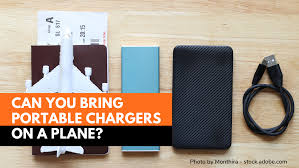
Are portable chargers allowed on planes? This question frequently arises among modern travelers who rely heavily on electronic devices for navigation, communication, entertainment, and productivity. As flight security standards become more stringent and battery technology more advanced, understanding TSA and FAA regulations surrounding portable power banks is critical.
Understanding the Core Regulation: Carry-On vs. Checked Baggage
The Transportation Security Administration (TSA) and the Federal Aviation Administration (FAA) jointly regulate air travel safety standards in the United States. One of their strictest rules involves lithium-ion batteries, the core component of almost all portable chargers.
According to the official TSA website, power banks and portable chargers must be packed exclusively in carry-on luggage. They are strictly prohibited in checked baggage. This rule applies regardless of brand, size, or type.
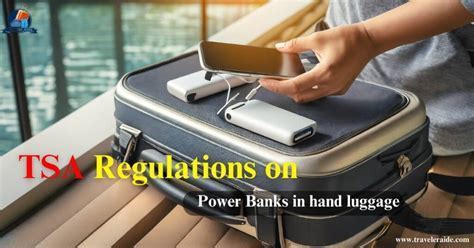
The reason is tied to the thermal runaway risk posed by lithium-ion batteries. In rare cases, battery cells can overheat, ignite, or explode. Inside the aircraft cabin, flight crews can access and handle emergencies immediately. However, in the cargo hold, such events would go undetected until it’s too late.
FAA Guidelines on Watt-Hour Ratings
The FAA provides detailed watt-hour (Wh) limitations that determine the kind of power banks travelers can carry onboard:
- Under 100Wh: Allowed in carry-on luggage without airline approval.
- 101Wh to 160Wh: Allowed with airline approval; limited to two devices per passenger.
- Above 160Wh: Prohibited on commercial flights.
Most commercially available portable chargers fall under 100Wh, making them safe for carry-on transport. However, if your charger exceeds this range—common in high-capacity laptop power banks or drone batteries—you must notify the airline and obtain prior authorization.
How to Calculate Watt-Hours (Wh)
Watt-hours = (mAh × Voltage) ÷ 1000
Example: A 20,000mAh charger at 3.7V = (20000 × 3.7) ÷ 1000 = 74Wh
This value is well within the unrestricted threshold. However, high-end models with built-in AC outlets or multiple ports often carry ratings above 100Wh, so checking the label is essential.
What the TSA Says at the Security Checkpoint
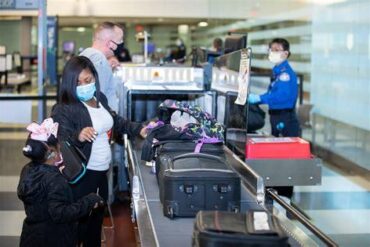
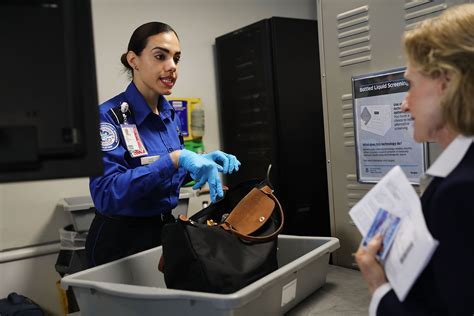
At airport checkpoints, TSA officers have the final authority. While power banks are generally allowed in carry-on luggage, officers can prohibit any item if they believe it poses a risk. It’s crucial to remove your portable charger from your bag and place it in a separate bin during X-ray screening—similar to laptops and tablets. This helps avoid delays and unnecessary secondary screening.
Devices that look like disguised weapons (e.g., chargers shaped like grenades or guns) or are damaged, bloated, or leaking may be confiscated or denied boarding.
International Rules and Airline-Specific Policies
While TSA and FAA rules apply within the U.S., airlines and international airports may impose stricter or slightly different policies. For example:
- British Airways requires battery ratings to be clearly marked.
- Singapore Airlines only allows power banks under 100Wh, regardless of prior approval.
- Lufthansa mandates approval for any battery-powered device exceeding 100Wh.
Passengers must also comply with IATA (International Air Transport Association) guidelines, which are widely adopted globally. Always check both departure and destination airport regulations, as well as airline-specific restrictions before traveling.
Safe Traveling with Power Banks: Best Practices
We recommend the following best practices to ensure a smooth experience:
- Always pack your power bank in your carry-on; never in checked luggage.
- Check the watt-hour rating of your charger. If it’s above 100Wh, contact your airline in advance.
- Label your charger clearly with its capacity to avoid TSA confusion.
- Avoid using damaged or visibly swollen chargers, which may be flagged as hazardous.
- Don’t attempt to charge your device during takeoff or landing unless the crew announces it’s safe.
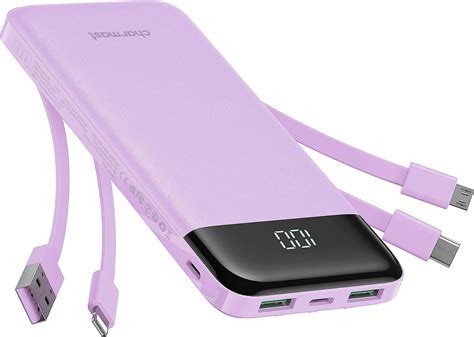
Also, refrain from using power banks in ways that might be considered suspicious—such as connecting multiple devices simultaneously or using obscure brands without certifications. Stick with UL-certified, FCC-approved, or CE-marked devices to avoid regulatory scrutiny.
How Airline Crews Handle Battery Incidents
Flight crews are trained to handle lithium-ion battery fires using specialized procedures and containment bags. In 2019 alone, the FAA recorded over 300 battery-related incidents in flight or at the gate. A burning charger emits toxic fumes and poses a serious safety hazard if not handled quickly.
As a result, flight attendants may intervene if a device starts overheating. It’s not uncommon for crew members to confiscate malfunctioning chargers mid-flight. Therefore, if you sense unusual heat, swelling, or smoke, alert the cabin crew immediately.
Portable Chargers That Are Airline-Compliant
Most mainstream power banks from trusted brands are airline-approved by default. These include:
- Anker PowerCore (under 100Wh)
- RAVPower PD Pioneer
- Mophie Powerstation
- Zendure SuperMini
- Aukey Basix Pro Wireless
Always verify the product’s specifications on the manufacturer’s website or packaging before packing. Devices with pass-through charging, wireless pads, and solar panels are generally allowed, as long as the Wh limit is respected.
The Rise of Smart Power Banks and Travel Integration
Modern portable chargers offer smart integrations, such as Bluetooth tracking, digital readouts, built-in wireless pads, and multi-port fast charging. However, complexity can sometimes raise flags at security checkpoints.
To avoid misunderstandings:
- Stick to minimalist designs without confusing buttons or blinking LEDs.
- Avoid chargers disguised as novelty items, such as soda cans or children’s toys.
- Ensure clear labeling of battery specs and brand identification.
If possible, choose TSA PreCheck or Global Entry programs for expedited security screening. Travelers with these clearances report fewer secondary checks and smoother experiences when traveling with electronics.
Legal and Insurance Considerations
Carrying a battery pack in violation of airline or TSA rules may void your travel insurance in case of an incident. Some policies explicitly exclude coverage for contraband or restricted goods. If your power bank catches fire and damages property or causes delays, you could be held liable.
We strongly recommend:
- Reading your airline’s policy before flying.
- Informing your insurer if you’re traveling with high-capacity electronics.
- Keeping purchase receipts and certifications handy in case of disputes.
Portable Power: Essential but Regulated
Portable chargers have become essential tools for business travelers, content creators, and digital nomads. Yet, as powerful as they are, these devices sit at the intersection of consumer electronics and aviation security. It’s crucial to treat them not just as gadgets, but as regulated equipment.
The key is awareness. Know your device’s specs, understand the limits, and comply with international aviation safety standards. By doing so, you avoid delays, protect yourself legally, and help maintain safe skies for all.
Frequently Asked Questions (FAQ)
Can I use my portable charger during the flight?
Yes, you may use your portable charger during cruising altitude, but avoid usage during takeoff and landing unless otherwise instructed. Always follow crew announcements regarding electronic device usage.
What happens if I accidentally pack my power bank in checked luggage?
If detected, your luggage may be delayed, opened, or pulled from the flight. Some airports have screening systems that automatically alert staff. You could also be fined or miss your flight depending on the airline’s policy.
Are wireless power banks treated the same way as wired ones?
Yes. The presence of wireless functionality does not exempt a power bank from watt-hour regulations or safety inspections. All power banks—wired or wireless—must comply with the same carry-on requirements.