Air travel, while seemingly simple from a passenger’s viewpoint, involves a sophisticated orchestration of engineering marvels, among which cabin pressurization plays a pivotal role. Understanding the maximum pressure allowed on planes is crucial for ensuring structural integrity, passenger comfort, and overall safety. In this article, we explore the depth of this subject with detailed insights into regulations, engineering constraints, and operational realities.
Understanding Cabin Pressure Basics
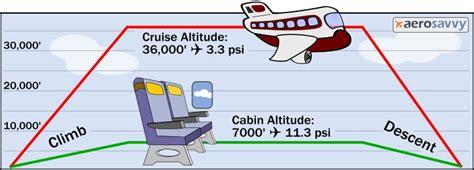
The standard atmospheric pressure at sea level is approximately 14.7 psi (pounds per square inch), or 101,325 Pascals. Aircraft cabins, however, do not maintain this exact pressure at cruising altitudes. Instead, they sustain a lower equivalent pressure to balance passenger comfort against aircraft structural limitations.
At cruising altitudes ranging from 33,000 to 38,000 feet, the outside air pressure drops significantly to around 3.0–3.8 psi. Consequently, aircraft cabins are pressurized to simulate conditions at an altitude of about 6,000 to 8,000 feet, maintaining an internal pressure of approximately 10.9 to 11.8 psi.
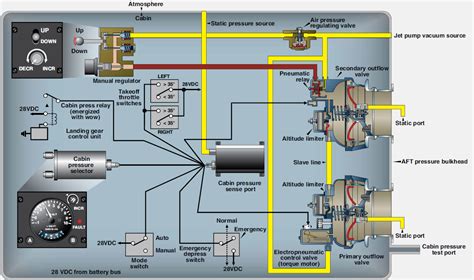
Maximum Cabin Pressure Differential Limits
In aviation terminology, the pressure differential (often abbreviated as “psid”) measures the difference between the cabin’s internal pressure and the external atmospheric pressure. Most commercial airliners are designed to handle a maximum differential pressure of 8.0 to 8.5 psid.
For example:
- Boeing 737: Maximum differential pressure ~ 8.65 psid
- Airbus A320: Maximum differential pressure ~ 8.4 psid
- Boeing 787 Dreamliner: Up to 9.4 psid, thanks to its advanced composite fuselage
These maximum limits ensure that while the inside of the aircraft remains comfortably pressurized, the structural stress on the fuselage remains within safe margins.
Advanced Aircraft: Pushing the Limits
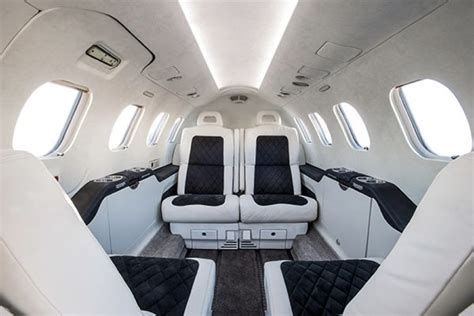
Newer aircraft models are engineered to tolerate higher differentials. The Swearingen SJ30, for instance, is notable for supporting a 12 psi differential, allowing it to maintain a sea-level cabin pressure even at 41,000 feet. This significant advancement dramatically enhances passenger comfort, reducing fatigue and hypoxia risks.
Engineering Challenges and Trade-offs
Increasing cabin pressure to more closely replicate sea-level conditions poses serious engineering challenges:
- Structural Weight: Stronger fuselages require heavier materials, which can drastically impact fuel efficiency and operational costs.
- Material Fatigue: Higher differentials accelerate the fatigue cycle of the aircraft’s skin, reducing its service life and requiring more frequent maintenance.
- Cost Implications: Heavier, reinforced designs lead to increased manufacturing costs, which may not be economically viable for all airlines.
Aircraft manufacturers thus have to carefully balance passenger comfort against aircraft longevity and operating economics.
Emergency Scenarios: When Pressure Fails
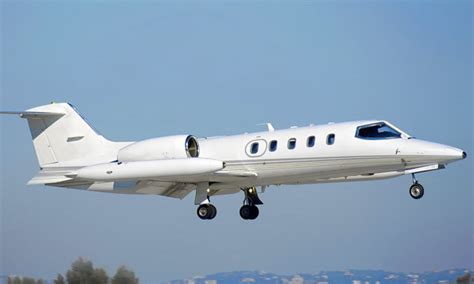
The catastrophic event involving Payne Stewart’s Learjet 35 tragically highlighted the dangers of cabin pressure loss. At cruising altitudes near 36,500 feet, the external pressure would be roughly 3 psi. Failure to maintain the internal cabin pressure, leading to a loss of consciousness due to hypoxia within seconds, resulted in the loss of all onboard. This event underscores the critical importance of effective cabin pressurization and monitoring systems.
FAA Regulations on Cabin Pressure
The Federal Aviation Administration (FAA) sets strict standards regarding aircraft pressurization:
- 14 CFR Part 25.841 mandates that under normal operating conditions, the cabin altitude must not exceed 8,000 feet when at cruising altitudes.
- The design must be able to withstand probable failures without catastrophic decompression.
- Emergency oxygen systems must be available if cabin pressure drops significantly.
Additionally, FAA guidelines ensure that passengers are never exposed to unsafe oxygen levels or pressure drops, providing mandatory oxygen masks for use during emergency descents.
Military Aircraft: Higher Thresholds
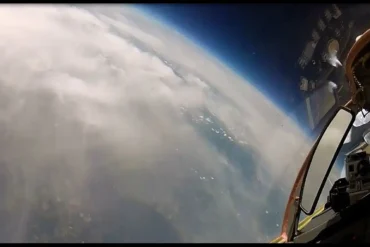
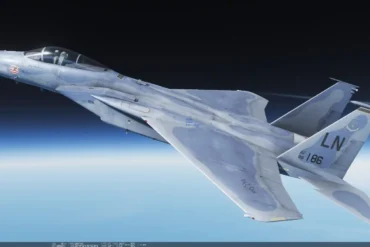
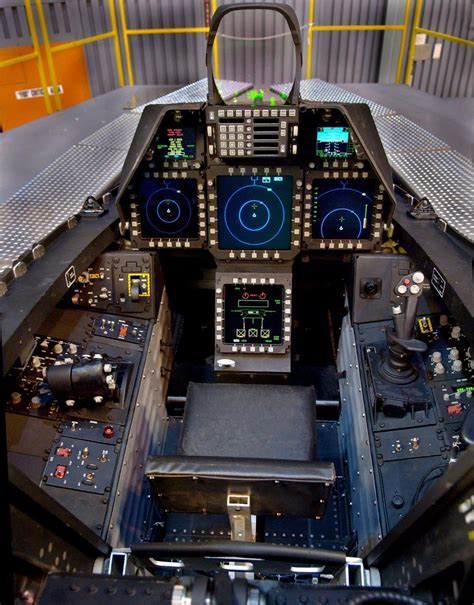
Military jets, such as the F-22 Raptor and F-35 Lightning II, operate at much higher altitudes where external pressures can be even lower. While exact figures for military aircraft are classified, it is understood that their cabins also maintain manageable pressures, though they may accept lower cabin pressures than commercial aircraft to prioritize weight savings and combat performance.
The Role of Modern Materials in Pressure Management
The use of composite materials, such as carbon fiber reinforced polymers (CFRP), has revolutionized the ability to maintain higher pressure differentials without a corresponding weight penalty. The Boeing 787 and Airbus A350 extensively use composites, allowing greater cabin humidification and slightly higher pressures for enhanced passenger comfort.
This transition from traditional aluminum alloys to composites results in aircraft that are not only lighter but also resistant to corrosion and fatigue—two major concerns in high-pressure cycling.
Future Trends in Cabin Pressurization
Looking ahead, aviation experts anticipate:
- Further increases in cabin pressure standards to enhance passenger well-being.
- Advanced oxygen systems capable of dynamically adjusting to minor pressure changes.
- Improved structural designs using nanomaterials, offering even better strength-to-weight ratios.
Manufacturers like Boeing and Airbus are investing heavily in research to design future cabins that feel more natural, humidified, and atmospheric, closer to conditions at lower altitudes.
Summary: Balancing Pressure, Comfort, and Safety
Cabin pressure in commercial aircraft is a carefully engineered compromise. While the maximum pressure inside an aircraft cabin rarely approaches sea-level standards, advances in aircraft design now allow significantly better pressurization levels than in previous decades. Maintaining a safe pressure differential, generally between 8.0 and 9.5 psid, protects the aircraft structure while ensuring passenger comfort and safety.
Ultimately, every decision regarding cabin pressurization reflects a broader engineering philosophy: to create a flying environment that feels as natural as possible, while respecting the harsh realities of high-altitude flight. As materials and technologies advance, we can expect even more passenger-friendly cabins in the skies of tomorrow.