Understanding Beast Mode in Combat Aviation
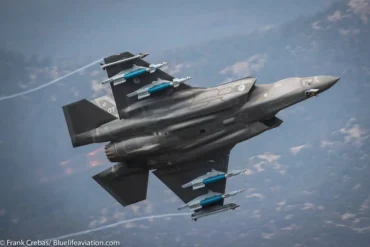
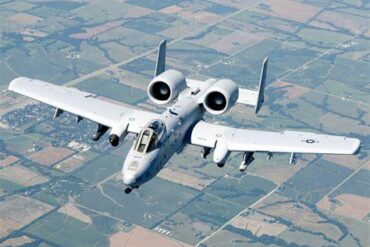
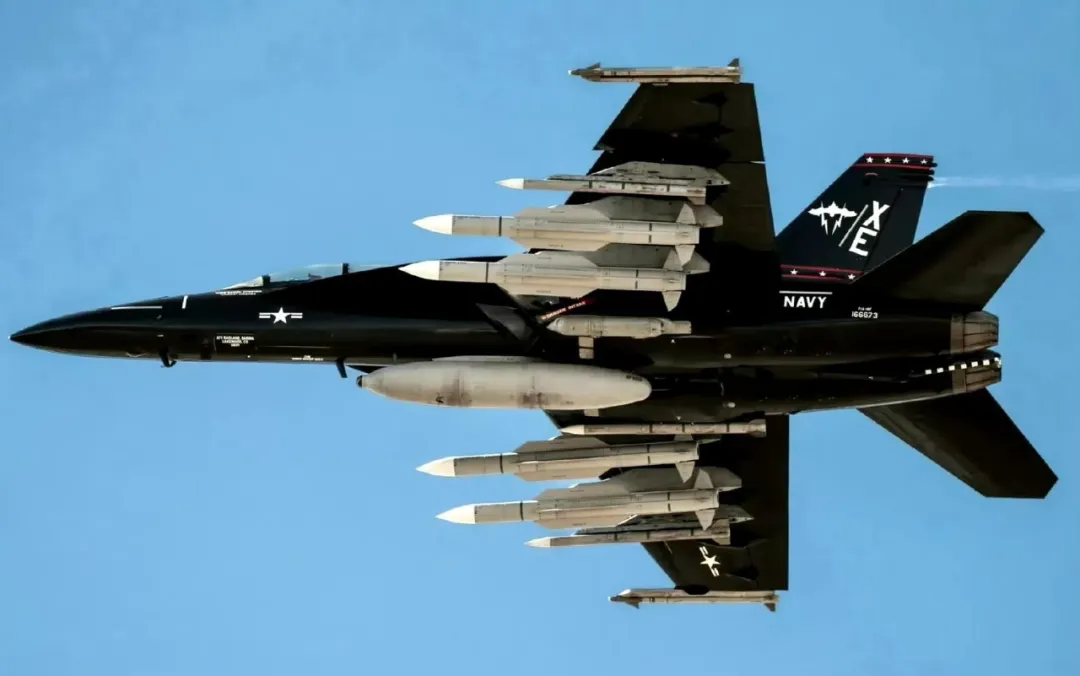
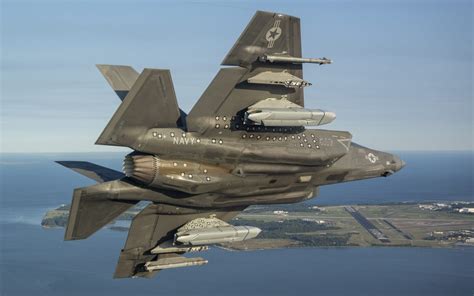
The term “Beast Mode” refers to a combat configuration where a fighter jet is equipped with the maximum possible external weaponry, maximizing its offensive capability at the cost of stealth and maneuverability. While not an official military designation, the concept gained prominence when Lockheed Martin introduced it for the F-35 in 2017. However, the idea of enhanced firepower predates this, with Boeing showcasing an F-15C/D carrying 16 air-to-air missiles in 2015.
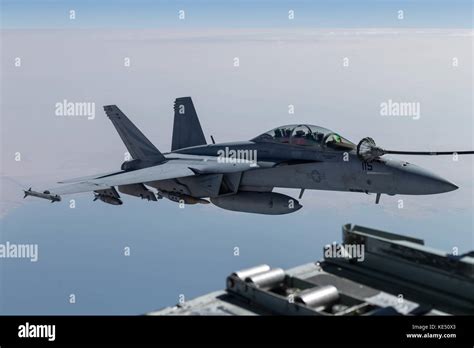
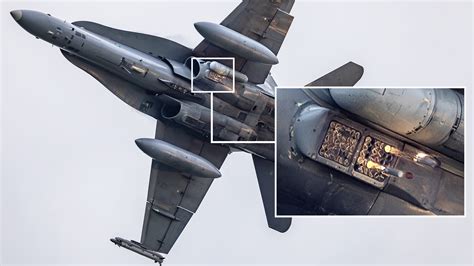
The F/A-18 Hornet, a multi-role, carrier-capable fighter, is naturally suited for Beast Mode, offering high payload capacity and operational flexibility.
F/A-18 and Beast Mode Compatibility
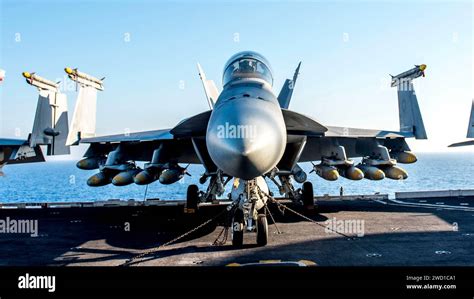
The F/A-18 Hornet and its advanced version, the F/A-18E/F Super Hornet, are twin-engine, carrier-based multirole fighters developed by McDonnell Douglas (now Boeing). Designed for flexibility, the aircraft can be adapted for both air superiority and strike missions, making it an excellent candidate for Beast Mode.
Weapon Loadout in Beast Mode
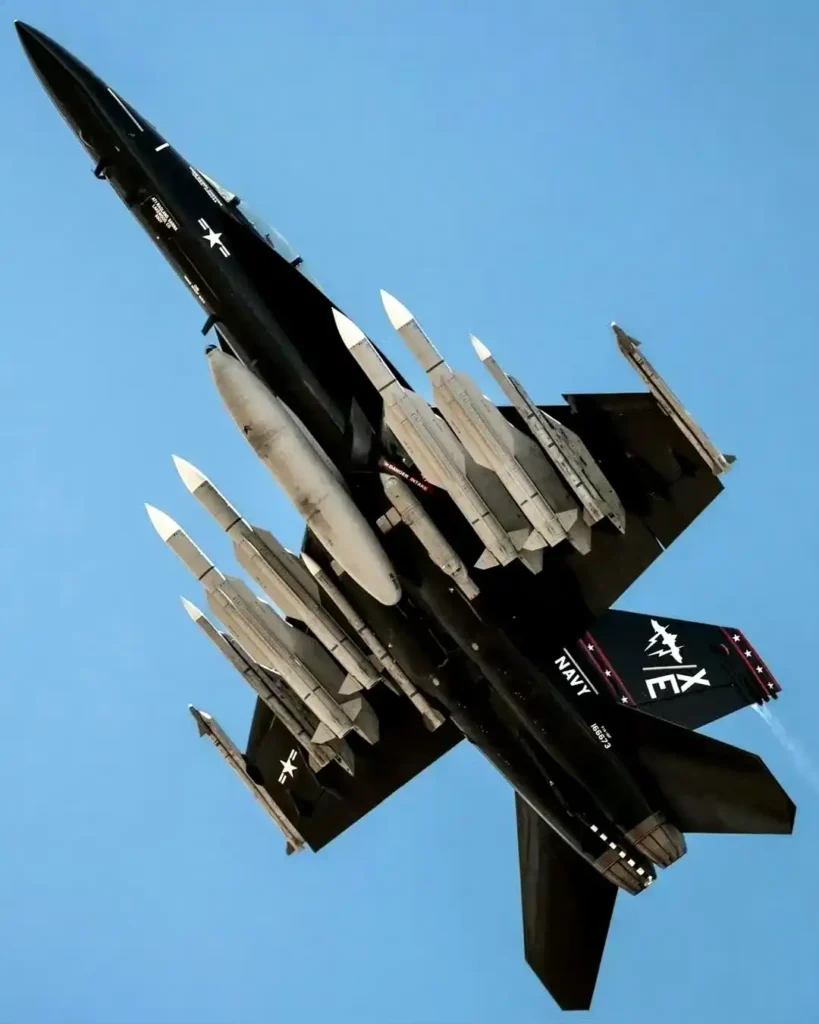
- Maximum Payload: The F/A-18 can carry up to 8 tons of external weaponry, including:
- Air-to-Air Missiles: AIM-120 AMRAAM, AIM-9X Sidewinder
- Air-to-Ground Munitions: JDAMs, AGM-154 JSOW, AGM-88 HARM
- Additional Fuel Tanks: For extended range
- Non-Stealth Advantage: Unlike stealth fighters, the F/A-18 does not need to limit its external loadout to maintain a low radar signature, allowing it to fully exploit Beast Mode for maximum firepower.
- Multirole Capability: The ability to carry a mix of air-to-air and air-to-ground weaponry makes the F/A-18 a versatile platform for high-intensity warfare.
Tactical Advantages and Limitations
Advantages of F/A-18 Beast Mode
- Superior Firepower: With an extensive payload, the F/A-18 can engage multiple targets simultaneously, ideal for saturation attacks.
- Operational Flexibility: It can perform both defensive and offensive roles, carrying a balanced mix of air-to-air and air-to-ground ordnance.
- Naval Deployment: Being carrier-capable, the Super Hornet can be deployed closer to conflict zones, reducing response time and enhancing mission effectiveness.
- Support Role in Stealth-Integrated Operations: After F-35s neutralize enemy defenses, the F/A-18 can execute follow-up strikes with full external weapon loads.
Limitations of Beast Mode
- Reduced Maneuverability: Increased drag and weight affect dogfighting and evasion capabilities.
- Shortened Combat Radius: Compared to a clean configuration, heavy external payloads can reduce range by 30-40%.
- High Radar Visibility: Unlike stealth aircraft, the F/A-18 in Beast Mode is highly detectable, necessitating electronic warfare or air superiority support.
Real-World Applications of Beast Mode
Phase-Based Combat Implementation
The U.S. Navy employs a phased approach to using Beast Mode:
- Initial Engagement: F-35s eliminate enemy air defense networks.
- Saturation Strikes: F/A-18s equipped in Beast Mode deliver massive follow-up strikes.
- Sustained Air Dominance: Multi-role operations continue to suppress enemy forces and maintain control.
Comparison With Other Aircraft
- F-35 Lightning II: Capable of Beast Mode, but sacrifices stealth when externally loaded.
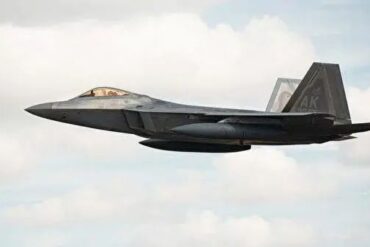
- F-15EX Eagle II: Greater payload capacity and range, better suited for sustained air dominance.
- F/A-18 Super Hornet: Best for carrier-based flexibility, balancing firepower and deployment speed.
Conclusion
The F/A-18 in Beast Mode delivers unparalleled firepower in non-stealth operations. Its high payload, versatility, and naval compatibility make it an essential asset for modern warfare. While it faces challenges in range and survivability, its integration with stealth aircraft and electronic warfare tactics ensures its effectiveness. In a post-stealth engagement environment, the F/A-18’s Beast Mode provides the necessary firepower saturation to complete high-intensity missions.
FAQ
1. What is the difference between F/A-18 and F-35 in Beast Mode?
The F/A-18 Super Hornet can carry a large external payload without stealth concerns, while the F-35 loses its stealth advantage when equipped with external weapons. The F/A-18 excels in follow-up high-intensity strikes, whereas the F-35 is better for first-wave precision attacks.
2. How does Beast Mode affect the F/A-18’s flight performance?
Heavy external loads reduce the F/A-18’s maneuverability and range. Increased drag affects fuel efficiency, and the aircraft becomes more visible to enemy radar, requiring escort support or electronic warfare countermeasures.
3. Can the F/A-18 operate independently in Beast Mode?
While the F/A-18 can function independently, Beast Mode is most effective when used in coordinated air operations with stealth fighters and support aircraft. This ensures survivability and optimal mission success.