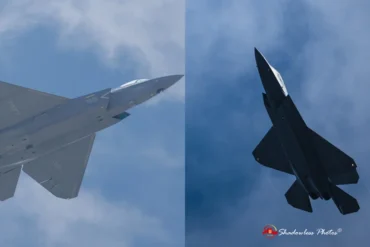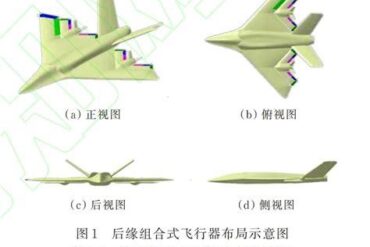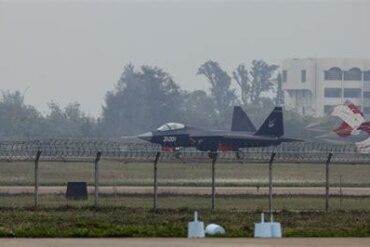
The Chengdu J-20 has long stood as a symbol of China’s aviation ambitions—a fifth-generation stealth fighter designed not only to rival American counterparts like the F-22 Raptor and F-35 Lightning II, but also to adapt dynamically to evolving battlefield requirements. One of the most intriguing developments in this platform is its so-called “Beast Mode”, a tactical configuration that sacrifices stealth to dramatically enhance firepower and mission endurance.
In this comprehensive analysis, we explore how the J-20’s beast mode operates, the design philosophy behind it, its tactical roles, and how it measures up against the aircraft it is often compared to.
What Is J-20 Beast Mode? Tactical Trade-offs in Modern Warfare
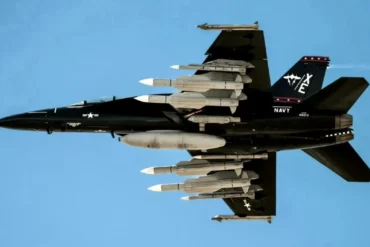
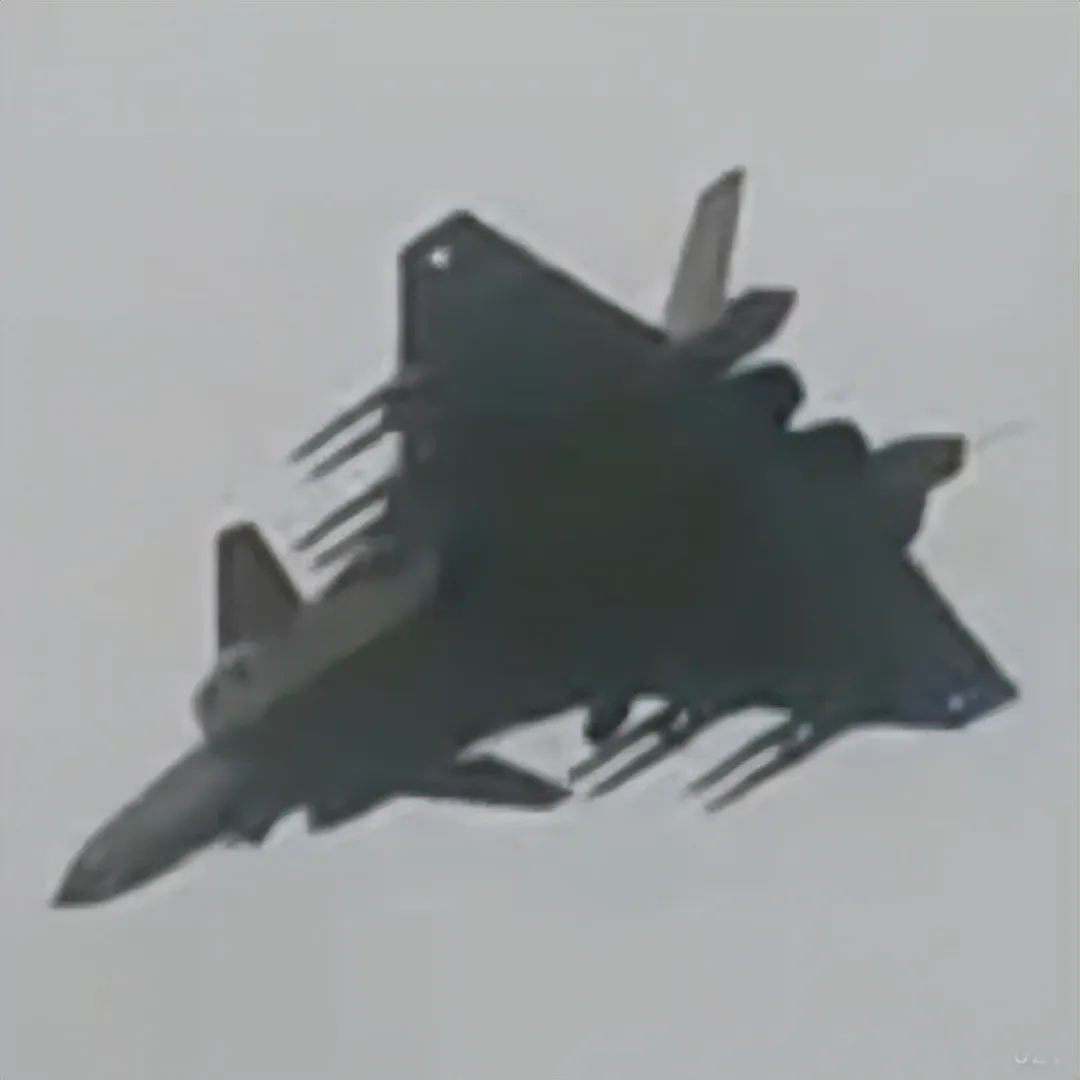
At its core, beast mode is a mission-specific configuration in which the J-20 mounts external weaponry and fuel tanks on underwing hardpoints. While this compromises its Radar Cross Section (RCS) and therefore its stealth, it significantly enhances payload capacity, enabling a greater number and variety of munitions to be deployed.
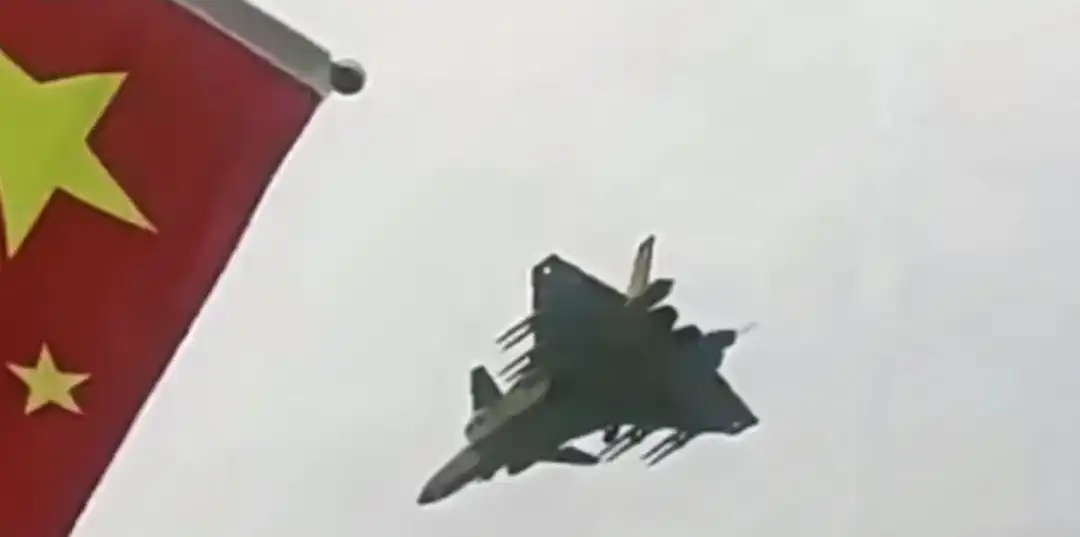
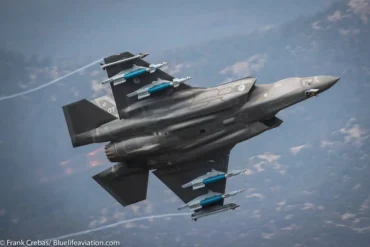
This concept was initially associated with the F-35, which similarly shifts from a stealth-focused “clean” mode with internally housed weapons to a high-capacity external loadout for conventional missions. The J-20 has now embraced this dual-role flexibility, adapting it to fit the Chinese Air Force’s operational doctrine.
In its stealth configuration, the J-20 typically carries:
- 4 x PL-15 Beyond-Visual-Range (BVR) missiles
- 2 x PL-10 Short-Range Infrared missiles
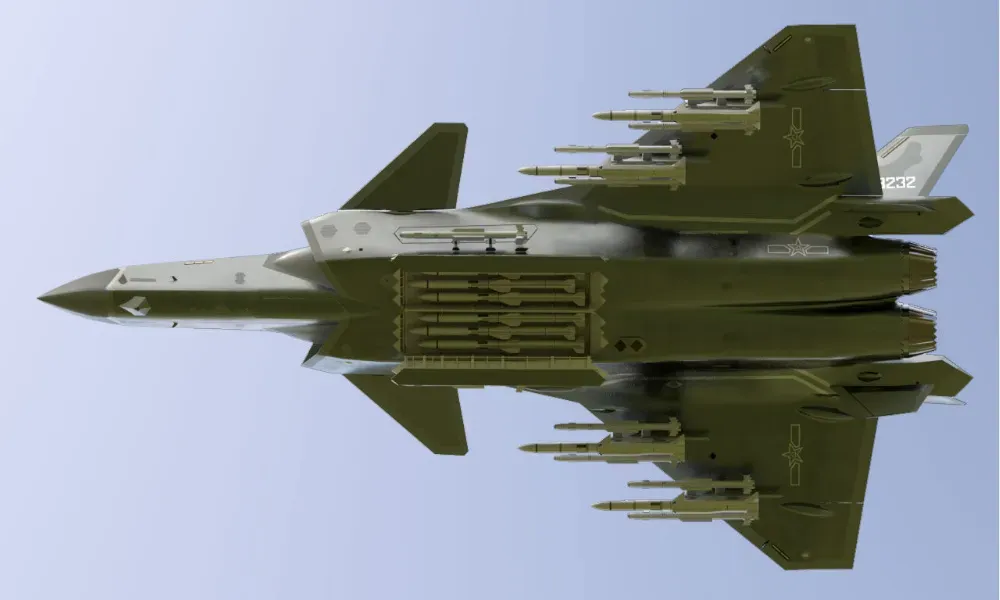
When reconfigured into beast mode, the aircraft can theoretically carry:
- Up to 8 additional external missiles (PL-15 or PL-17)
- Auxiliary fuel tanks for extended range
This results in a maximum payload of 14–16 air-to-air missiles, which places the J-20 ahead of the F-35’s beast mode loadout (14 missiles), and on par with or above the F-22 Raptor when it employs external hardpoints.
Design Engineering Behind Beast Mode: Sacrificing Stealth for Strength
Switching to beast mode involves a set of calculated trade-offs. The increase in firepower and range comes at the cost of low observability, as externally mounted weapons create radar-reflective surfaces that nullify some of the fighter’s stealth characteristics. However, the J-20 incorporates several mitigating technologies to minimize these drawbacks:
- Aerodynamic shaping: The aircraft’s distinctive canards, divergent chines, and delta wing design have been carefully sculpted with angled surfaces and serrated edges that scatter radar waves.
- Composite materials and radar-absorbent coatings are extensively applied across the airframe, helping reduce RCS even in semi-exposed configurations.
- Multi-role pylons capable of supporting over 2 tons each, allowing for heavy or fuel-intensive ordnance to be carried with a minimal number of attachments.
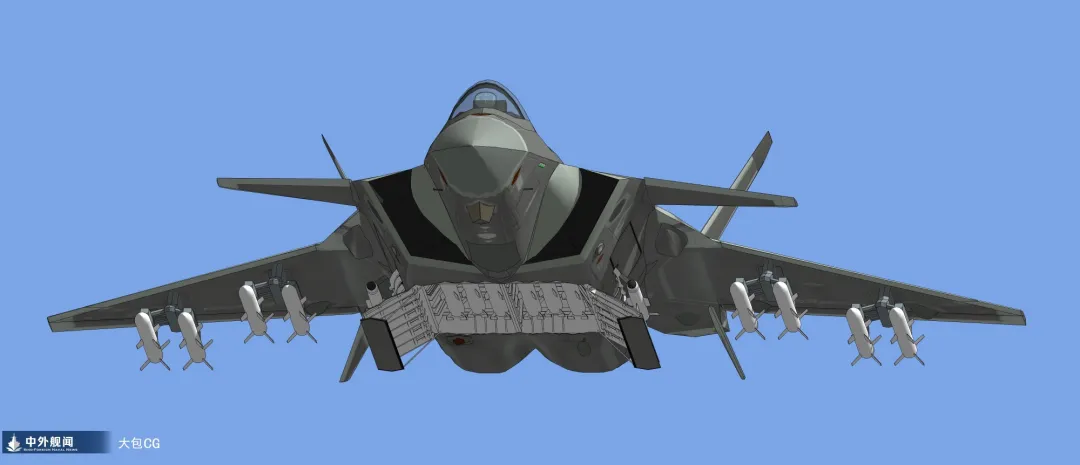
Such innovations allow the J-20 to transition between stealth and high-load roles more flexibly than earlier-generation fighters.
Tactical Applications: Scenarios Suited for Beast Mode
The J-20’s beast mode is not a default configuration—it is employed when the mission profile demands either overwhelming firepower or extended operational reach. Specific use cases include:
1. Air Superiority Against Legacy Threats
In environments where stealth is not the overriding concern, such as in engagements against third-generation fighters or aircraft without advanced detection systems, beast mode becomes highly advantageous. Armed with PL-17 long-range air-to-air missiles, the J-20 can engage targets well beyond visual range without entering the kill zone.
2. Force Multiplication via Distributed Roles
The J-20 can be employed in mixed formations, where stealth-configured units conduct forward reconnaissance and electronic warfare, while beast mode variants act as aerial weapons trucks delivering firepower from behind. This approach increases operational depth while maintaining survivability.
3. Ground Attack and Suppression Missions
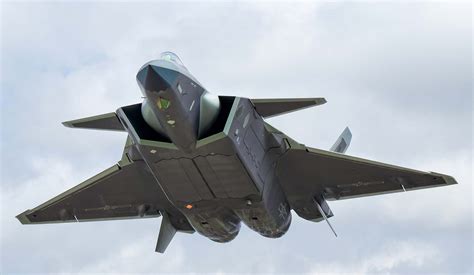
Though not traditionally used for ground strikes, the J-20’s increased loadout potential enables deployment of precision-guided munitions and stand-off weapons, useful for Suppression of Enemy Air Defenses (SEAD) and strike coordination.
4. Training and Performance Benchmarking
Beast mode configurations are also used in non-combat environments to test flight stability, fuel consumption rates, drag coefficients, and maneuverability metrics under full-load conditions.
Comparison with F-35 and F-22: Metrics That Matter
To contextualize the J-20’s capabilities, we examine how it compares to American fifth-gen aircraft:
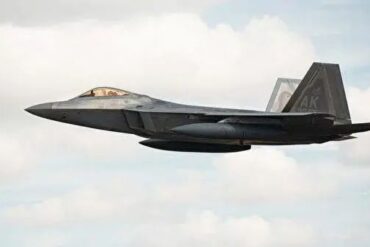
- Payload: With a theoretical maximum of 16 missiles, the J-20 exceeds the F-35’s 14 missiles and rivals the F-22, which can carry 12 missiles (8 internal, 4 external).
- Stealth: The F-22 remains superior in stealth due to its clean internal-only loadout. In beast mode, the J-20 and F-35 have similar RCS profiles, but both compromise significantly compared to their stealth modes.
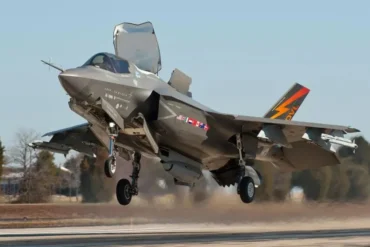
- Multirole flexibility: The F-35 is optimized for multirole operations with advanced sensor fusion and STOVL variants. The J-20, while not carrier-compatible, shows increasing adaptability across missions—from intercept to ground strike.
- Sensor Suite and Avionics: The F-22 and F-35 currently possess more advanced sensor fusion capabilities, but the J-20’s AESA radar, electro-optical targeting systems, and growing integration with AI-powered data fusion are closing the gap.
Operational Controversies: Strategic Risk vs Tactical Reward
Despite the clear advantages of the beast mode configuration, its use introduces critical vulnerabilities:
- Degraded Stealth: In beast mode, the J-20 becomes more detectable, exposing it to enemy radar systems, particularly from fifth-gen adversaries.
- Reduced Agility: The external payload impairs maneuverability and supercruise capabilities, vital in dogfight scenarios or high-speed intercepts.
- Doctrinal Clashes: There’s ongoing debate among strategists whether such roles should instead be executed by fourth-gen multirole fighters like the J-16, while keeping the J-20 focused on penetrative stealth and air dominance.
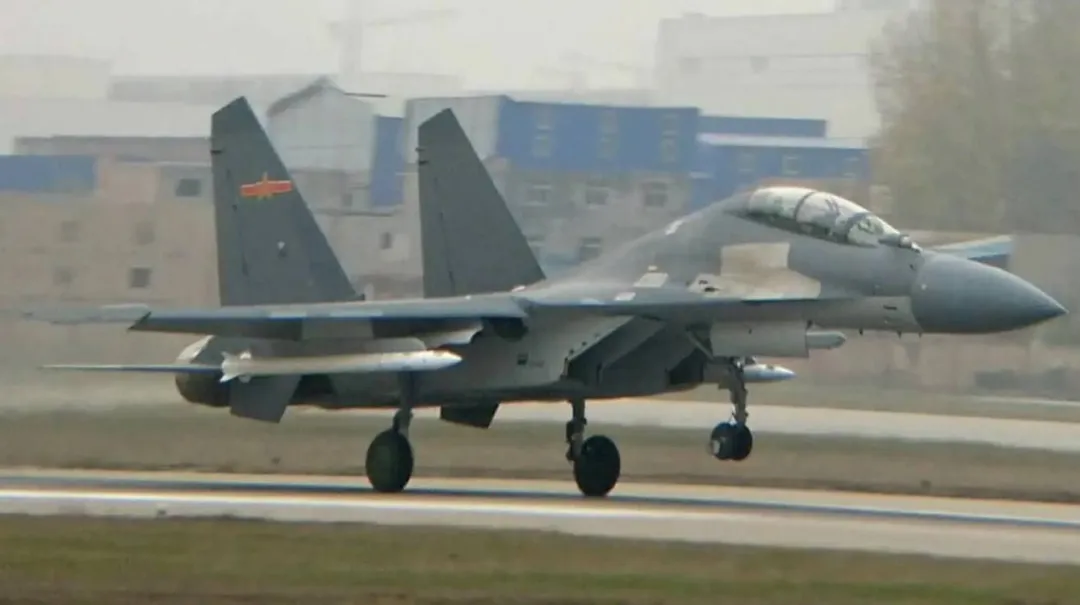
Nonetheless, these drawbacks are contextual, and beast mode is never meant to be a universal solution. Instead, it exemplifies a modular approach to air combat that aligns platform use with specific operational objectives.
Strategic Significance: China’s Evolving Airpower Doctrine
The J-20’s beast mode underscores a broader evolution in Chinese airpower doctrine, emphasizing versatility, long-range engagement, and network-centric warfare. In potential peer conflict scenarios, the ability to reconfigure aircraft quickly for offensive or support roles offers both tactical depth and logistical efficiency.
Further enhancements, such as the integration of folding-wing missiles, artificial intelligence flight optimization, and smart pylons, could improve beast mode’s viability. This would allow the J-20 to dynamically adapt even during missions, switching between stealth and full-load modes as the battlefield evolves.
Ultimately, the emergence of beast mode reflects not only technological ambition but a sophisticated understanding of modern air combat. As regional and global tensions shift, the flexibility to adapt aircraft to any given mission profile may become more valuable than pure stealth alone.