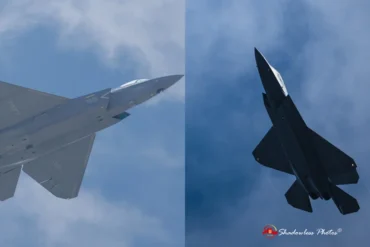
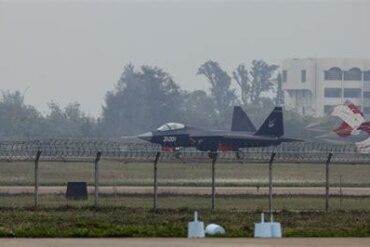
The Shenyang FC-31, also known as the “Gyrfalcon,” represents a pivotal advancement in China’s aerospace defense industry. Developed by the Shenyang Aircraft Corporation (SAC), the FC-31 is a twin-engine, single-seat, medium-weight stealth fighter jet designed to meet the growing demand for affordable yet sophisticated fifth-generation fighters. Its emergence not only underscores China’s ambition to challenge Western aerospace dominance but also provides a compelling alternative for nations unable to procure the U.S.-made F-35.
Development Background and Strategic Vision
The FC-31 made its first flight in October 2012, marking China as the second country globally to have two distinct stealth fighter prototypes—joining its larger counterpart, the Chengdu J-20. Initially developed using internal funding by Aviation Industry Corporation of China (AVIC), the FC-31 project aimed at fulfilling both domestic naval aviation requirements and penetrating lucrative export markets. Designed to bridge the gap between high-cost Western stealth jets and outdated fourth-generation models, the FC-31 targets clients in Asia, the Middle East, and regions restricted from acquiring Western fighters.
Advanced Stealth and Aerodynamic Design
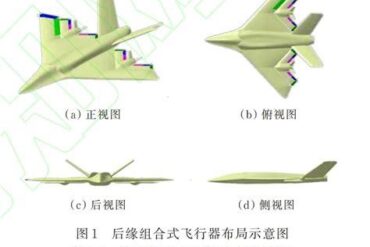
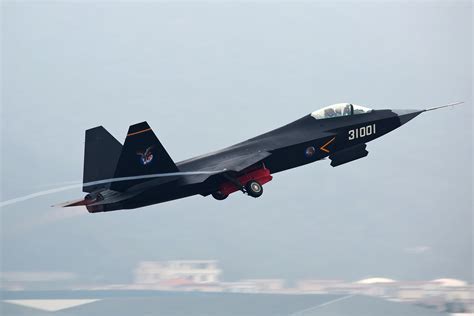
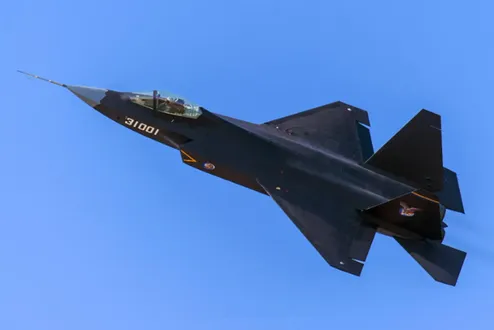
At the core of the FC-31’s innovation is its stealth-oriented airframe, engineered to minimize radar cross-section (RCS) through angular contours, sawtooth edges on weapons bays, and DSI (Divertless Supersonic Inlet) air intakes. This design philosophy enables the jet to absorb and deflect radar waves, reducing detectability during both air superiority and strike missions. Later iterations, such as the FC-31V2, have introduced refined tail angles and seamless fuselage blending, optimizing radar invisibility and aerodynamic efficiency.
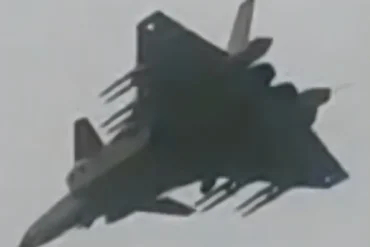
The airframe’s mid-sized structure allows it to carry weapons internally—crucial for maintaining stealth. Its weapons bay accommodates 4-6 medium-range missiles, while external hardpoints are available for additional ordnance if stealth is not a priority.
Propulsion Systems and Engine Development
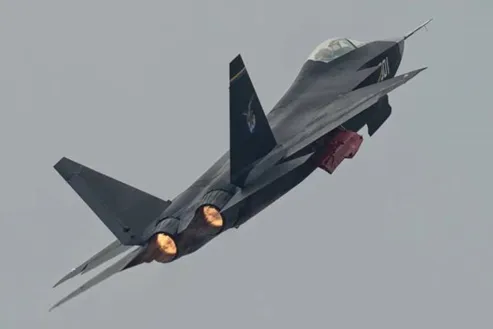
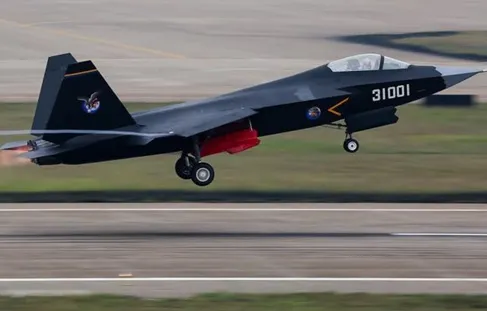
One of the FC-31’s early challenges was its reliance on Russian-made RD-93 engines, which, while reliable, were criticized for their black smoke emissions and inadequate thrust. The transition to China’s WS-13E engine, offering 87.2kN of thrust, marked a substantial improvement in performance and smoke reduction. Looking ahead, the upcoming WS-19 turbofan engine, expected to reach thrust levels close to 100kN, is pivotal for aligning the FC-31 with true fifth-generation performance benchmarks, rivaling the F-35’s Pratt & Whitney F135 engine.
Avionics, Sensors, and Weapons Suite
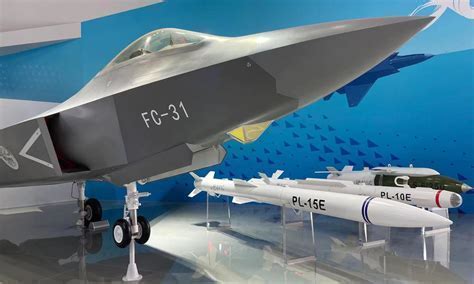
The FC-31 is equipped with a cutting-edge avionics suite featuring an Active Electronically Scanned Array (AESA) radar, an Electro-Optical Targeting System (EOTS), and advanced sensor fusion capabilities. These systems enable beyond-visual-range (BVR) combat, multi-target tracking, and precision ground strike capabilities. Its arsenal includes the PL-15 medium-to-long-range air-to-air missile, anti-ship missiles, and precision-guided bombs, providing multi-role flexibility across mission types.
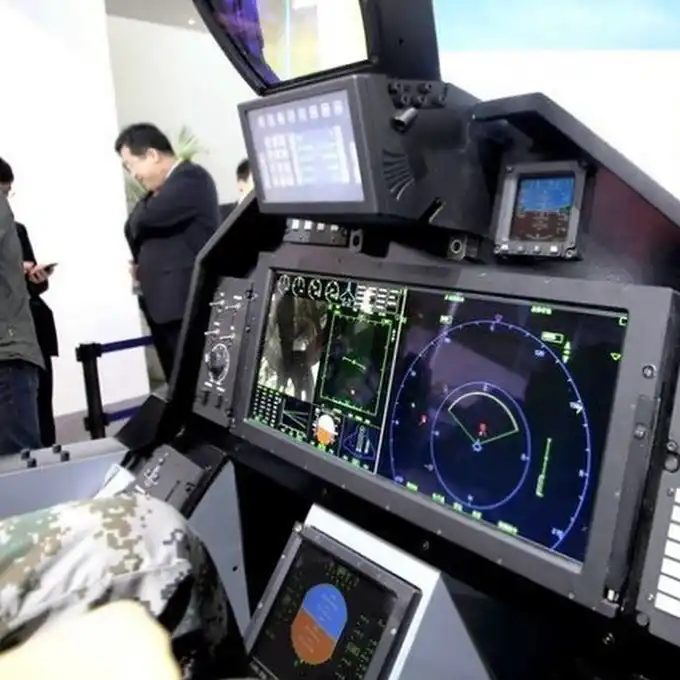
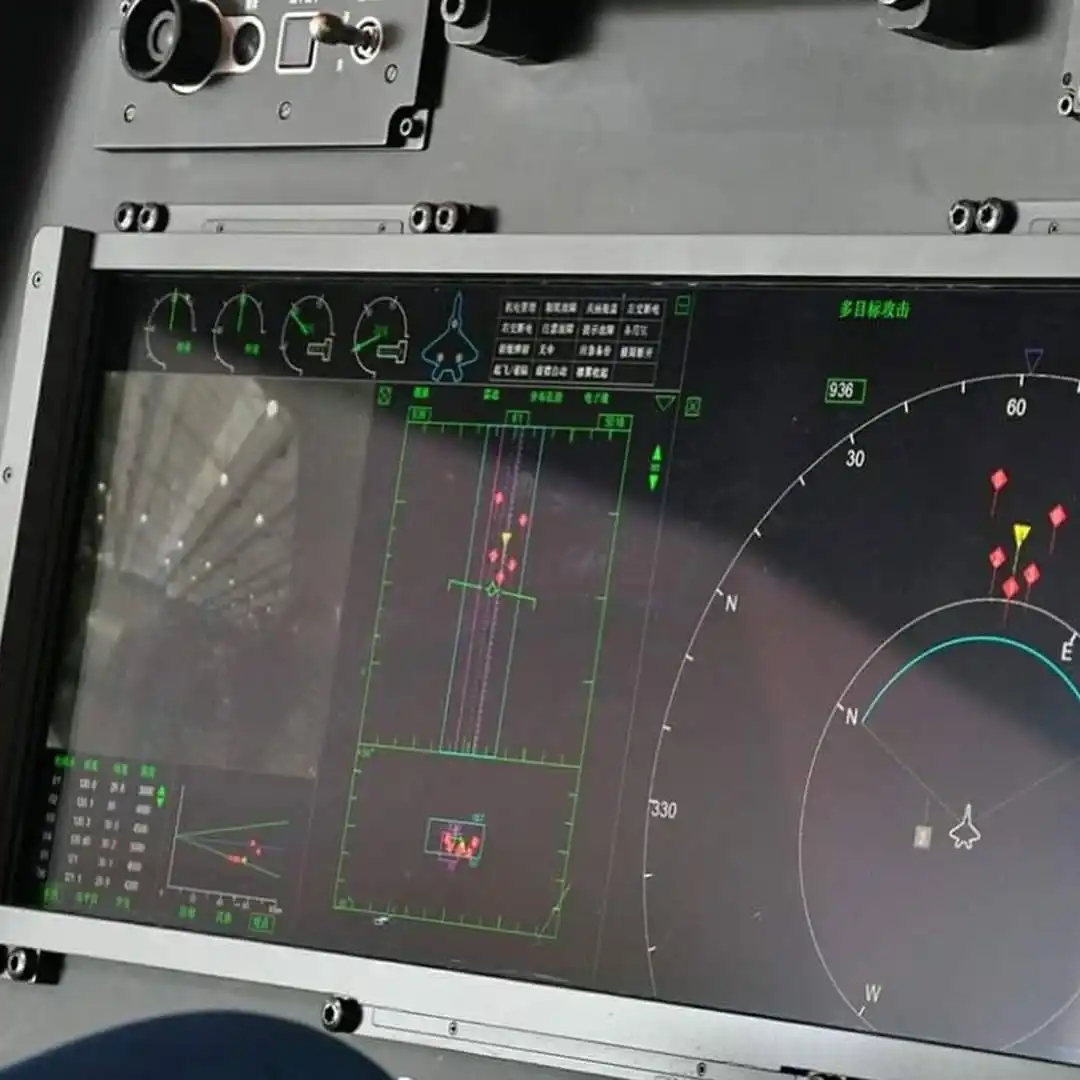
The cockpit, designed with pilot ergonomics in mind, integrates modern glass displays and hands-on-throttle-and-stick (HOTAS) controls, ensuring situational awareness and rapid responsiveness in high-stress combat scenarios.
Carrier Variant: The J-35 Transformation
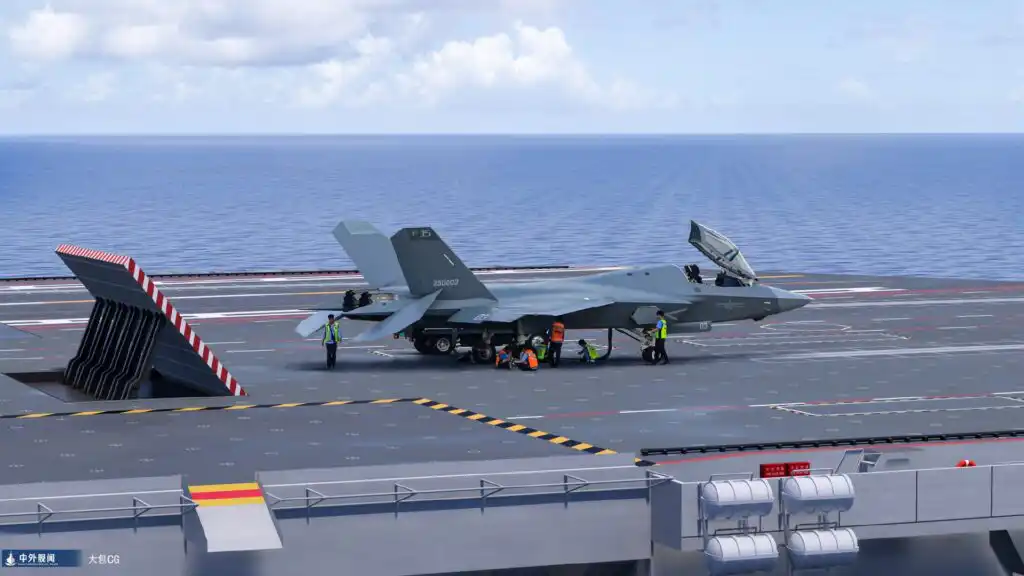
A notable evolution of the FC-31 is its carrier-based variant, the J-35, tailored for naval aviation. Modifications include reinforced airframe structures, folding wingtips for compact storage, corrosion-resistant coatings for maritime operations, and a front-mounted launch bar compatible with catapult-assisted takeoff systems (particularly those on China’s Fujian-class carriers). Enhanced landing gear and arrestor hooks enable robust carrier landing capability, solidifying the J-35’s role in strengthening China’s blue-water navy ambitions.
The integration of the J-35 alongside airborne early warning aircraft like the KJ-600 is projected to extend China’s carrier strike group capabilities, ensuring air superiority and expanded strike reach during maritime operations.
Export Potential and Competitive Edge
Positioned with an estimated unit cost of around $70 million, the FC-31 offers a cost-effective alternative to the F-35, which exceeds $100 million per unit. This affordability, combined with modular customizations—such as integration with non-Chinese weapon systems—positions the FC-31 favorably among nations constrained by defense budgets or political barriers to U.S. exports. Pakistan, along with potential clients in the Middle East and Central Asia, is often cited as a prospective buyer.
Challenges and Future Development
Despite its promise, the FC-31 faces hurdles, primarily the maturity of its indigenous WS-19 engine and the refinement of its mission systems to meet the full spectrum of fifth-generation standards. China’s continuous investment in stealth coatings, electronic warfare modules, and unmanned teaming capabilities (hinted at in the FC-31B concept) showcases a strategic commitment to evolve the platform into a multi-domain asset. Ongoing collaborations and iterative upgrades suggest a sustained push toward closing the gap with Western fighter technology.
Conclusion
The Shenyang FC-31 embodies China’s ambition to assert itself as a leader in fifth-generation fighter technology. By offering a blend of stealth, advanced avionics, and multi-role versatility at a competitive price point, the FC-31 stands poised to reshape the tactical and strategic balance within the global fighter jet market. Whether deployed as a core component of China’s naval air wings or exported to allies seeking modern combat solutions, the FC-31 marks a significant leap in both capability and geopolitical influence. As development continues and critical milestones like the WS-19 engine come to fruition, the FC-31’s trajectory will be closely watched by defense analysts and military planners worldwide.