The global aviation landscape is undergoing a significant transformation as American Airlines and a cadre of major carriers, including Oman Air, JetBlue, Delta, United Airlines, and TAP Air Portugal, deepen their strategic ties through expanded Oneworld alliance routes. This surge in global airline collaboration coincides with an escalating cybersecurity threat as flagged by a recent FBI cybersecurity alert, warning of sophisticated hacker groups actively targeting the aviation industry.
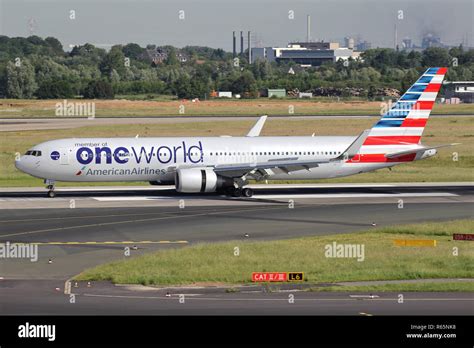
Oneworld Alliance Expansion Gains Momentum
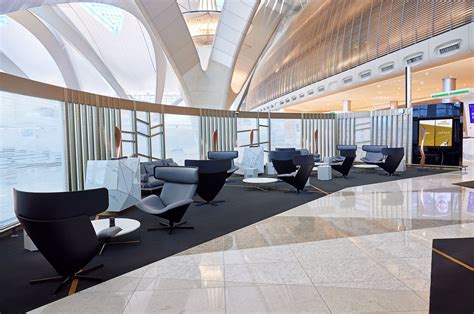
American Airlines’ move to bolster its presence within the Oneworld alliance underscores the strategic shift toward integrated global operations. Oman Air, the alliance’s newest and 15th member, significantly enhances Oneworld’s Middle Eastern footprint. With its addition, Oneworld now offers passengers seamless access to over 700 luxury lounges worldwide, priority services, and cross-carrier mileage redemption across 42 airports in 22 countries serviced by Oman Air.
The inclusion of Oman Air marks a pivotal advancement in Oneworld’s goal to deliver a unified and elite travel experience, particularly in underserved markets like the Gulf region. Oman Air’s entry is not only symbolic of regional expansion but also a tactical move for the alliance to rival Star Alliance and SkyTeam, which have stronger presences in Asia and the Middle East.
Strategic Realignment: JetBlue, Delta, and United Stake New Claims
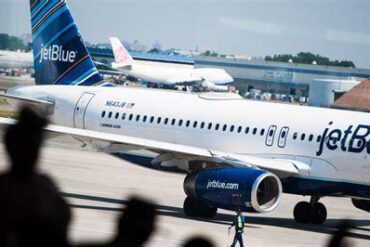
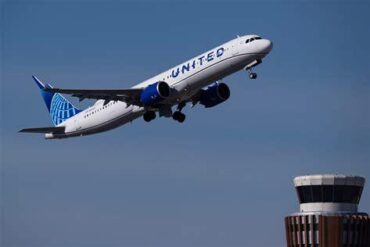
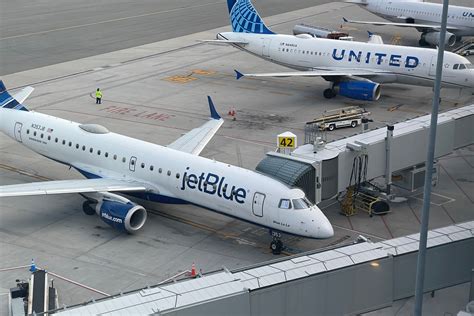
While American Airlines faced a legal roadblock with the U.S. Supreme Court denying its Northeast Alliance appeal with JetBlue, JetBlue has swiftly pivoted by signing a strategic agreement with United Airlines. This new pact includes loyalty program integration and slot sharing at New York JFK and Newark Liberty, opening the doors for United’s renewed operations at JFK for the first time since 2022.
This unexpected collaboration between longtime competitors—JetBlue and United—marks a stark realignment of traditional airline partnerships. For JetBlue, which had been trying to expand its influence through alliances, this new United pact is more than symbolic. It allows the airline to tap into United’s global network, especially valuable at congested and strategic airports.
Meanwhile, Delta Air Lines is extending its domestic reach through increased service from San Jose Mineta International Airport. Starting July 7, Delta will operate a new daily seasonal service to Detroit, complementing its routes to Atlanta, Seattle, and Los Angeles. This move reflects Delta’s continued effort to capitalize on business travel out of Silicon Valley, a region with growing tech-sector demand for air connectivity.
Cybersecurity Crisis Looms Over Airline Gains
These alliance and route expansions, however, are unfolding under a darkening shadow of cyber threats. The FBI’s July cybersecurity bulletin highlighted a wave of attacks against the airline industry. A group known as Scattered Spider, specializing in social engineering, has been exploiting vulnerabilities in multi-factor authentication systems by impersonating IT support staff to gain unauthorized access to internal airline networks.
Once inside, attackers have stolen sensitive passenger data and launched ransomware attacks, often disrupting critical systems. While the FBI stopped short of naming Scattered Spider as the sole group behind all attacks, the method of entry and tactics point to a common modus operandi.
Among the recent victims:
- WestJet (Canada) reported internal cyber issues impacting its mobile app.
- Hawaiian Airlines acknowledged IT system disruptions but maintained flight operations.
- Qantas revealed a breach involving six million passenger records through a third-party vendor.
In a particularly troubling incident, Delta Air Lines froze thousands of SkyMiles frequent flyer accounts—up to 68,000—after suspicious activity was discovered. Password resets and identity revalidations were enforced, with the airline asserting that the integrity of its loyalty database remains intact.
Starlink Revolutionizes In-Flight Connectivity
Amid the turbulence of cyber threats, in-flight Wi-Fi has taken a quantum leap forward. In its Q1 2025 report, Ookla named Starlink—Elon Musk’s satellite internet network—as the leader in airborne internet speed. Notably, Hawaiian Airlines and Qatar Airways, both equipped with Starlink, delivered download speeds of 161 Mbps and 120 Mbps, respectively.
U.S. carriers, including American Airlines, Spirit, and Delta, trailed significantly. However, United Airlines is in the process of retrofitting its fleet with Starlink systems, signaling a competitive edge in the future. Fast, reliable in-flight internet has become a premium differentiator, particularly among long-haul and business travelers.

Transpacific and Transatlantic Network Growth
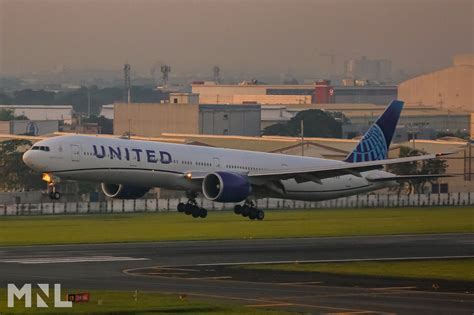
Airlines are also recalibrating their international footprints. United Airlines announced a new year-round transpacific route from San Francisco to Kaohsiung, Taiwan, launching July 11. The route features a Tokyo Narita stopover, extending United’s reach into southern Taiwan—a significant business and cultural hub.
This route not only bolsters United’s Asia-Pacific strategy, but also signals increased investment in secondary city markets often overlooked by larger intercontinental carriers. It will be serviced by a Boeing 737-800 between Tokyo and Kaohsiung, reflecting a nimble strategy that maximizes reach with smaller aircraft.
On the Atlantic side, TAP Air Portugal is maintaining its Los Angeles–Lisbon service through winter, albeit at reduced frequency—three times weekly. ITA Airways has also scaled back its LAX–Rome service to a single weekly flight starting January 2026. Meanwhile, Turkish Airlines and Air France have adjusted frequencies or suspended seasonal routes in response to shifting winter demand.
Latin American Market Disruptions and Realignments
In Latin America, market instability continues to affect operations. Azul Airlines, the Brazilian carrier that recently filed for Chapter 11 bankruptcy, has announced it will eliminate three routes from Fort Lauderdale—specifically to Manaus, Belo Horizonte, and Curacao. This marks a strategic withdrawal as the carrier attempts to restructure its network and finances amid intensifying competition and economic pressure in the region.
These cancellations are symptomatic of the volatile Latin American aviation market, where carriers are struggling to maintain profitability amidst currency fluctuations, rising fuel costs, and regulatory hurdles.
A New Global Order in the Skies
The convergence of expanded alliances, judicial decisions, cybersecurity threats, and technological advancements marks a defining chapter in global aviation. American Airlines’ integration with Oneworld members like Oman Air, and JetBlue’s shift toward cooperation with United, highlights the fluidity of modern airline strategy.
Yet, lurking behind these moves is a digital battlefield where passenger data and airline systems are under constant siege. The FBI’s warning should be a wake-up call for the industry: growth and innovation must be matched with cyber resilience.
As airlines redraw route maps, align new partnerships, and invest in passenger experience enhancements like high-speed Wi-Fi, the pressure to secure backend systems is greater than ever. Whether through strengthening alliances or firewall defenses, the aviation sector must navigate a future where geopolitics, technology, and security threats intersect more tightly than ever before.
Looking Ahead: Opportunities and Responsibilities
The post-pandemic era has created an unparalleled opportunity for airlines to reimagine connectivity, customer loyalty, and digital infrastructure. The expansion of Oneworld, led by strategic moves from American Airlines, Oman Air, and TAP Air Portugal, is emblematic of this transformative push.
At the same time, the industry’s vulnerability to cyberattacks demands an equally robust response. From multi-layered authentication protocols to AI-driven threat monitoring, airlines must prioritize security as a core operational function—not just a compliance issue.
As the skies grow busier and more interconnected, passengers will benefit from broader route maps and more integrated alliance perks. But they must also be confident that their data—and their journey—are protected from invisible threats lurking behind the firewall.