The Federal Aviation Administration (FAA) has officially lifted emergency airspace restrictions over the Caribbean, setting the stage for the rapid resumption of commercial air traffic in a region that saw significant disruption over the past 24 hours. The unprecedented closure—triggered by a high-stakes US military operation in Venezuela—had left thousands of travelers stranded across dozens of island airports and upended flight schedules for major US airlines.
Military Action Triggers Sudden Caribbean Airspace Lockdown
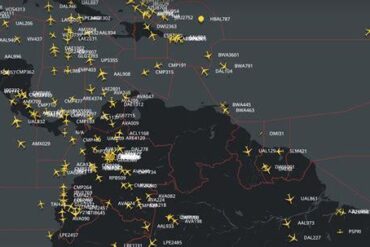
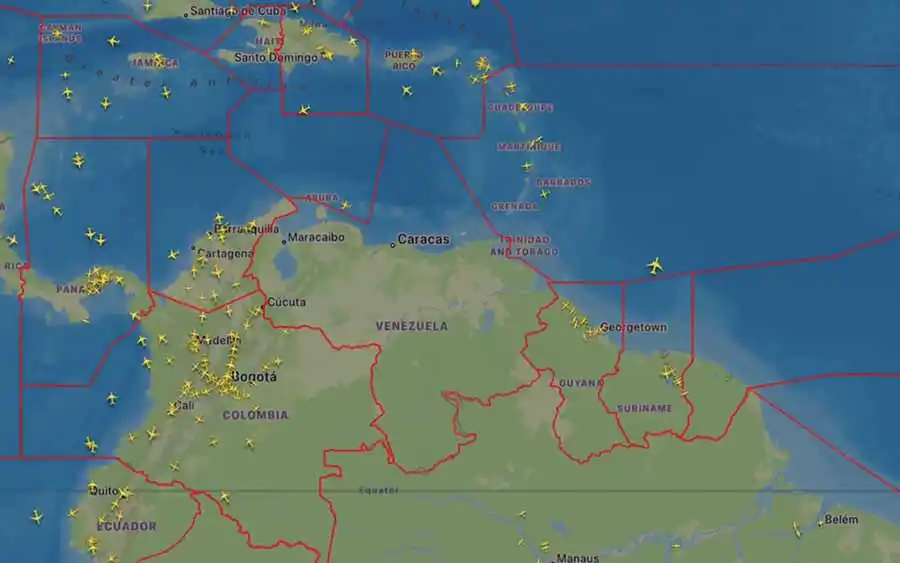
In the early hours of Saturday, January 3, the FAA issued a Notice to Airmen (NOTAM), halting US commercial flights over large swaths of Caribbean airspace. The directive coincided with a massive US military campaign in Caracas, aimed at capturing Venezuelan leader Nicolás Maduro. The move, announced without prior warning, immediately grounded hundreds of flights as airlines scrambled to comply.
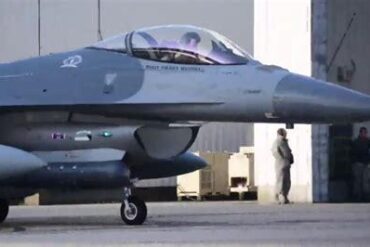
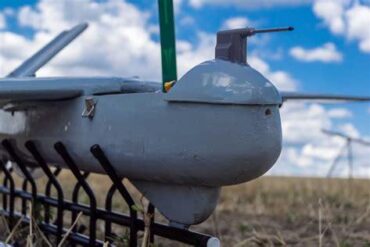
The airspace restriction, enacted at 06:00 am ET, was a direct response to the presence of 150+ US military aircraft, including fighter jets, helicopters, and drones operating in the vicinity. The FAA cited safety concerns as the primary motive, particularly after recent near-miss incidents that raised alarms about airspace congestion and midair collision risks.
FAA Greenlights Midnight Reopening of Caribbean Routes
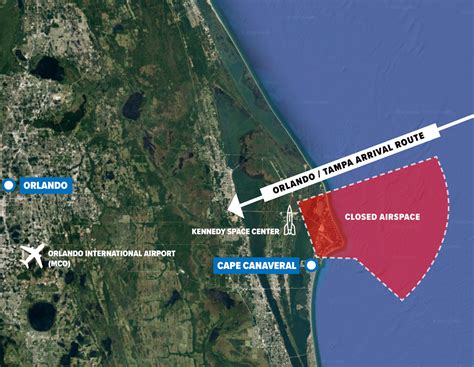
Transportation Secretary Sean Duffy confirmed via social media that the airspace ban would expire at 12:00 am ET on Sunday, January 4, and would not be extended. In his official statement, Duffy urged passengers to work with their respective airlines for rebooking and updated itineraries. The announcement provided long-awaited clarity for airline operators and travelers alike, who had been in a holding pattern throughout Saturday.
The FAA’s abrupt decision had sparked widespread uncertainty, particularly given the volatile geopolitical context. While the Trump administration declared the primary wave of its Venezuelan campaign “completed,” it did not rule out follow-up strikes, keeping airlines and passengers on alert.
Airlines Mobilize to Resume Flights After Sweeping Cancellations
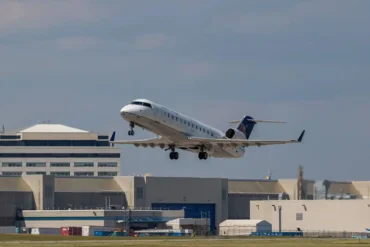
As the FAA lifts restrictions, US airlines are executing swift recovery plans to restore Caribbean service networks. Among the most impacted carriers, JetBlue Airways and Delta Air Lines are leading the charge.
JetBlue, which commands a significant market share in Caribbean travel, canceled over 200 flights on Saturday. In a public statement, the airline pledged to “resume normal operations on January 4” and add extra capacity on select routes to assist stranded passengers.
Delta Air Lines, which also faced a wave of over 100 cancellations, confirmed it would resume normal Caribbean service but flagged potential “schedule adjustments” due to aircraft repositioning needs. United Airlines similarly signaled its intention to return to a full schedule, along with plans to increase flight frequencies where demand is highest.
American Airlines, another major player in the region, reported that 19 Caribbean destinations in its network were affected by the shutdown. The airline is now working to rebook passengers and reestablish full service across its affected hubs.
Stranded Passengers Face Holiday Travel Nightmare
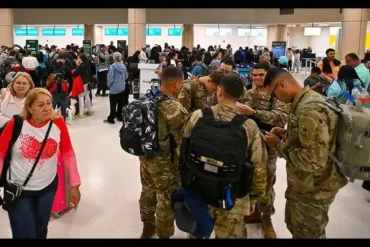
The fallout from the sudden shutdown was most acutely felt by holiday travelers, many of whom found themselves stuck in Caribbean airports during the peak post-New Year period. With winter temperatures plummeting across the US mainland, the Caribbean was a prime destination for vacationers seeking warmth—until the FAA’s NOTAM transformed paradise into purgatory.
At the San Juan Luis Munoz Marin International Airport (SJU) in Puerto Rico, more than 400 flights were canceled, making it the single worst-affected airport in the region. Aruba’s Queen Beatrix International Airport (AUA) and St. Thomas’ Cyril E. King Airport (STT) each saw nearly 100 cancellations, while Miami International Airport (MIA), the US’s busiest hub for Caribbean travel, endured over 100 flight cancellations and 400 delays on Saturday alone.
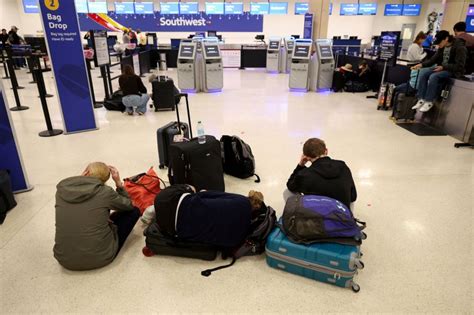
Airports across the region were unprepared for the cascading effects of grounded aircraft, crew displacement, and capacity constraints. Travelers flooded ticket counters and phone lines, desperate for rebooking options. Although most airlines issued travel waivers, these proved of little use when no flights were available for rebooking within a reasonable timeframe.
Safety, Sovereignty, and Airspace Management at the Forefront
This incident shines a glaring spotlight on the fragile intersection of geopolitical conflict and civilian aviation. The FAA’s decision—while based on real-time safety considerations—has triggered renewed scrutiny over how airspace closures are managed and communicated.
The near-miss collision between an American Eagle flight and a US Army helicopter at Washington’s Reagan National Airport (DCA) last year still looms large in the industry’s collective memory. The Caribbean shutdown, though temporary, reminds stakeholders of the need for proactive safety protocols, particularly in contested or militarized zones.
Moreover, this episode has raised questions around transparency and coordination. Airlines received little to no forewarning before the NOTAM was enacted, hampering their ability to reroute aircraft and inform passengers. As the aviation industry grapples with the twin pressures of safety and efficiency, this event is likely to spark policy-level discussions on how military activity is balanced against the needs of global air travel.
Next Steps: Schedule Normalization and Passenger Recovery
With the FAA clearance in place, airlines are now implementing full operational recovery plans. This includes not just resuming previously scheduled flights, but also deploying additional recovery aircraft to bring home stranded passengers, repositioning crews, and adjusting aircraft routing for optimal efficiency.
JetBlue and Delta have both indicated they will prioritize high-demand routes, with extra flights added to popular destinations like San Juan, Nassau, and Punta Cana. Meanwhile, American Airlines and United are working closely with airport authorities to address ground handling delays, staffing shortages, and security bottlenecks.
Travelers are advised to monitor airline apps and alerts, as real-time updates are now rolling in. Rebooking flexibility will continue for several days, as the industry works through the residual chaos from Saturday’s unprecedented disruption.
Conclusion: Caribbean Travel Resumes Amid Lingering Tensions
While the reopening of Caribbean airspace is a welcome development, the incident underscores the vulnerability of civilian travel to geopolitical shocks. As airlines move quickly to restore normalcy, passengers and aviation authorities alike are left with lingering concerns.
Whether this event will become a turning point in how global airspace is managed during military operations remains to be seen. For now, the priority lies in reconnecting families, repatriating stranded travelers, and ensuring that the skies above the Caribbean remain safe, open, and dependable for all.